Comprehensive Guide to Common Sports Injuries: Causes and Optimal Treatments for Tennis Elbow, Golfer’s Elbow, and Jumper’s Knee

Regen Health
2025-02-27
What is a sports injury? Why does it occur?
Sports injuries refer to damage to muscles, bones, ligaments, tendons, or joints caused by external impact, repetitive overuse, or improper posture during physical activity. Many people think injuries only happen to professional athletes, but ordinary individuals can also experience issues like tennis elbow or jumper’s knee while doing household chores, exercising, or performing repetitive tasks. Understanding the “causes” and “symptoms” of common injuries is the first step in preventing worsening conditions and improving athletic performance. Below is an in-depth analysis of the three most common tendon disorders.
1. What is tennis elbow? What are its symptoms?
Medical Name: Lateral Epicondylitis
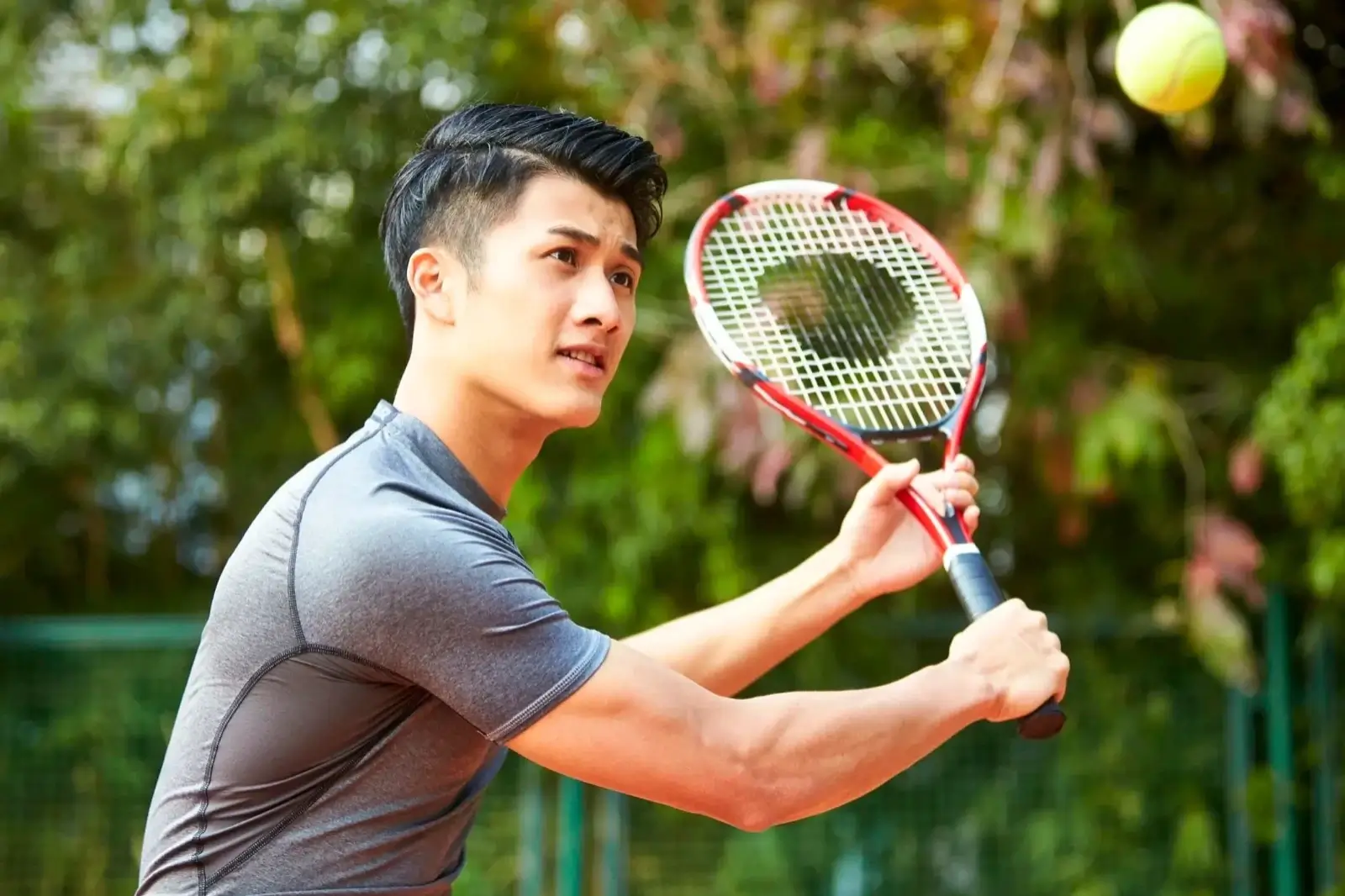
Tennis elbow does not only occur in tennis players; anyone who frequently uses the “forearm extensor muscles” (such as housewives, chefs, or computer users) is at high risk.
1. Common Symptoms of Tennis Elbow
If you experience the following, you may have tennis elbow:
- Lateral Elbow Tenderness: A noticeable painful point at the outer bony prominence of the elbow.
- Action-Induced Pain: Pain extending from the elbow to the forearm when twisting a towel, lifting heavy objects, holding a cup, or typing.
- Decreased Grip Strength: Weakness in the arm, sometimes making it difficult to firmly grasp objects.
2. Why Do You Get Tennis Elbow? (Causes Analysis)
| Cause Type | Details |
| Overuse | Repeated long-term use of the wrist and forearm causes micro-tears and inflammation of the tendons. |
| Improper Equipment | Rackets with grips that are too thick or thin, or strings with excessive tension, increase vibration transmission. |
| Insufficient Muscle Strength | Forearm muscles are not strong enough to handle the intensity of activity, leading to excessive tendon load. |
| Age-Related Degeneration | As age increases, tendon blood circulation decreases, reducing repair capacity. |
What is golfer\'s elbow? Who is at risk?
Medical Name: Medial Epicondylitis
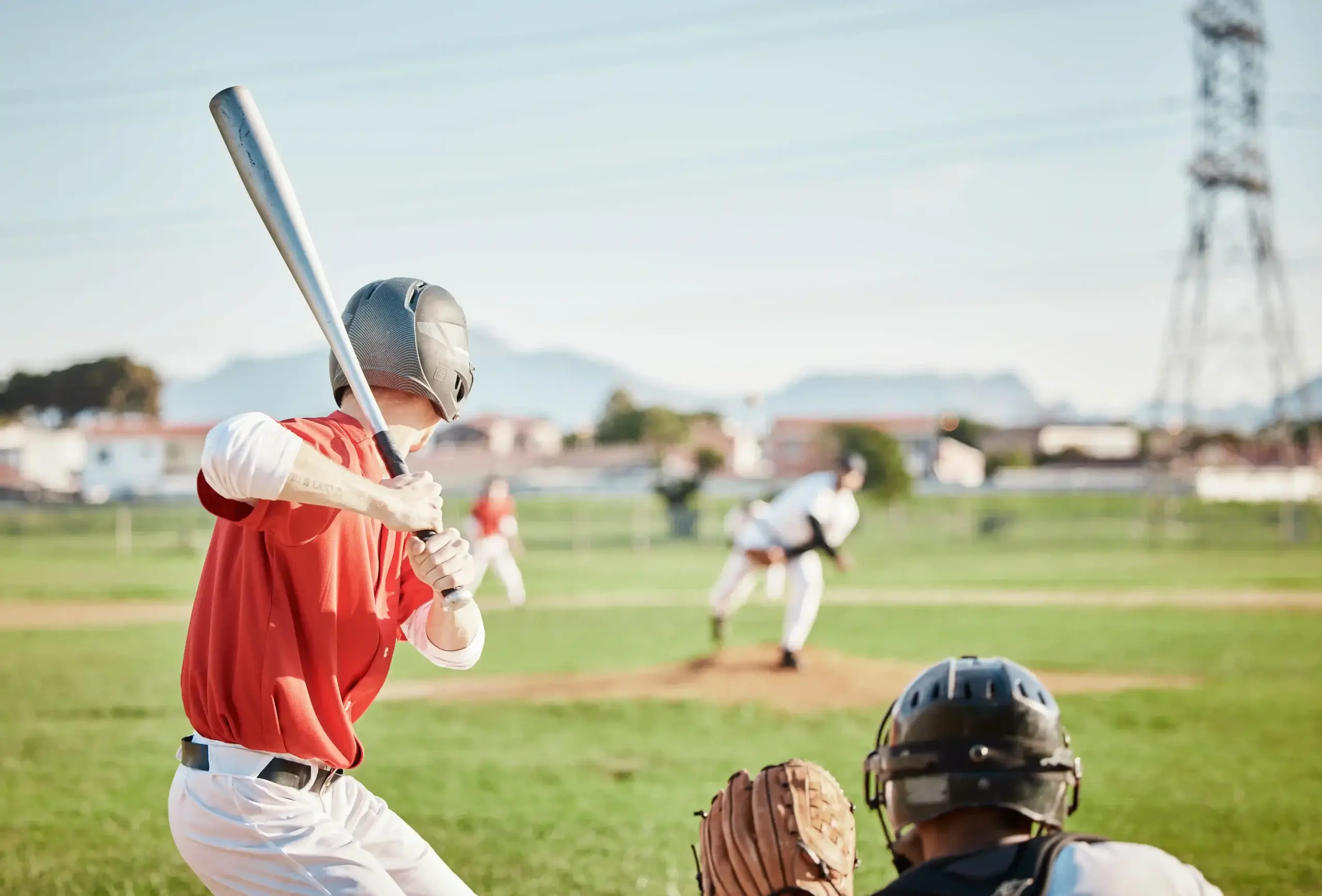
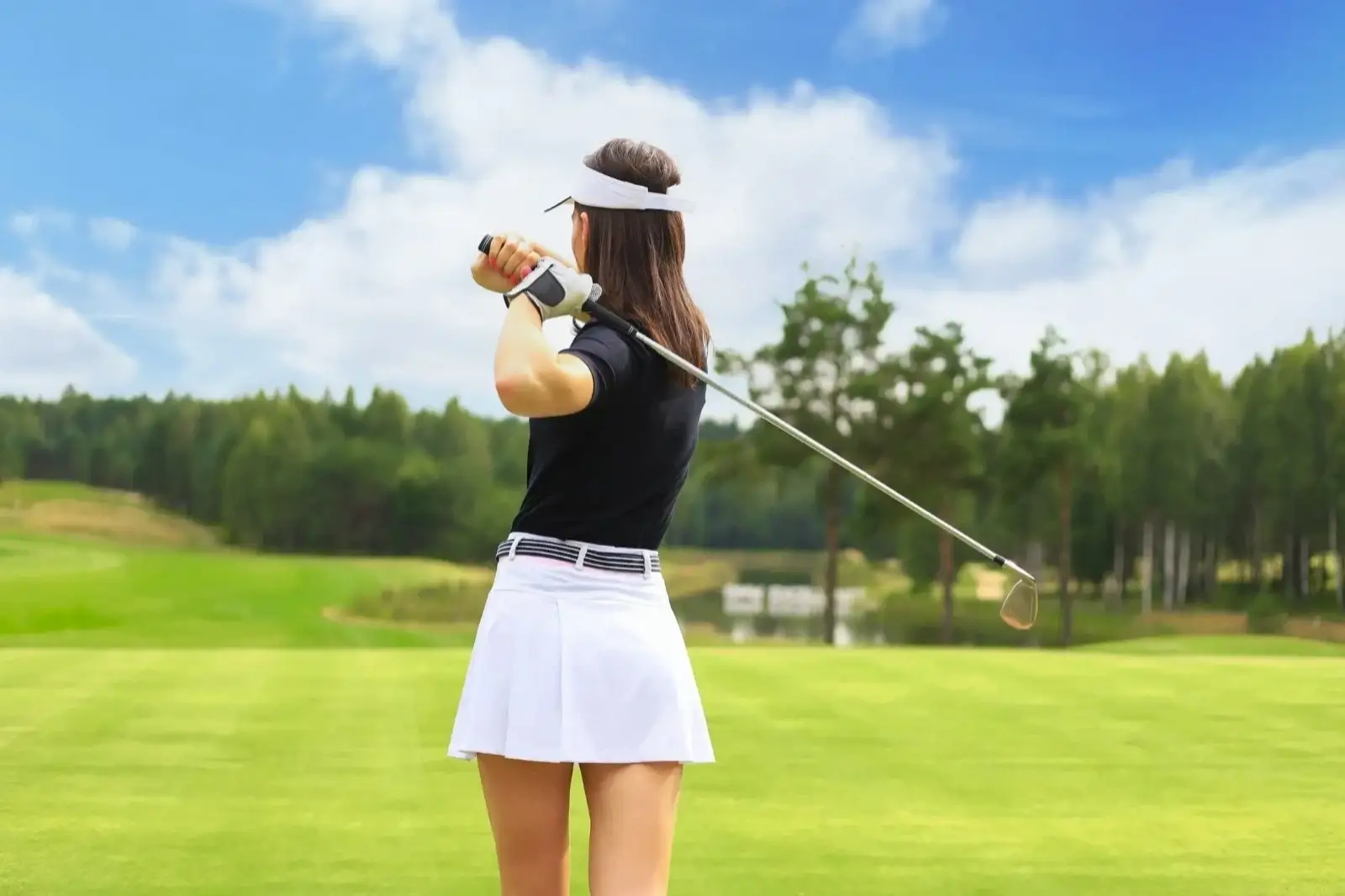
Unlike tennis elbow, golfer\’s elbow primarily causes pain on the “inner” side of the elbow. It is common among people who frequently “flex the wrist” or grip forcefully, such as golfers, baseball pitchers, or manual laborers.
1. Common Symptoms of Golfer\’s Elbow
- Medial Elbow Tenderness: Pain when pressing the bony prominence on the inner elbow.
- Wrist Movement Pain: Pain worsens when bending the wrist or rotating the forearm (e.g., turning door handles or throwing).
- Arm Stiffness and Weakness: Elbow may feel stiff in the morning; in severe cases, fingers may feel numb due to ulnar nerve compression.
2. Main Causes of Golfer\’s Elbow
| Cause Type | Details |
| Poor Posture | Overusing wrist strength during swings instead of utilizing core rotation. |
| Repetitive Strain | Long periods of lifting heavy objects or using hand tools (e.g., screwdrivers). |
| Lack of Warm-Up | Not adequately stretching forearm flexor muscles before activity, causing sudden tendon strain. |
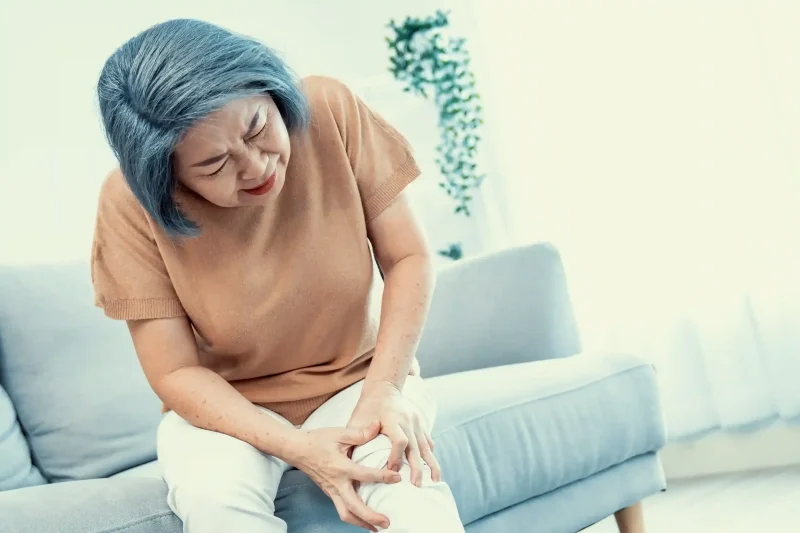
What are the common causes of jumper\'s knee?
Medical Name: Patellar Tendinitis
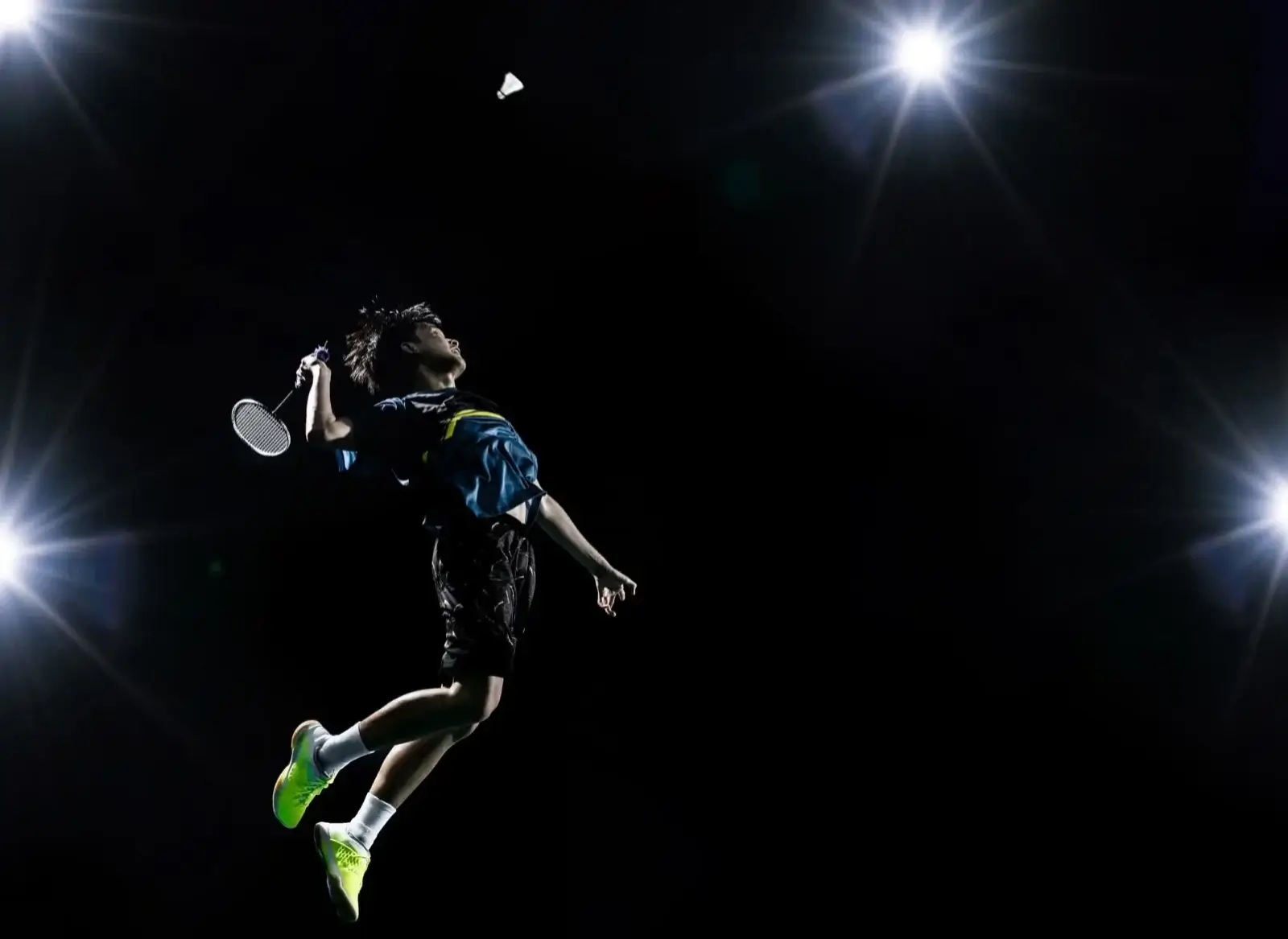
Jumper\’s knee is a common cause of pain at the front of the knee, often occurring in sports that involve frequent jumping, sudden stops, or directional changes, such as basketball, volleyball, badminton, and track and field events.
1. Common Symptoms of Jumper\’s Knee (Graded by Severity)
- Stage 1: Mild pain below the knee only after exercise.
- Stage 2: Pain during and after exercise, but performance is not affected.
- Stage 3: Persistent pain leading to decreased performance, sometimes making it impossible to complete movements.
- Stage 4: Tendon rupture, requiring surgical intervention.
2. Main Causes of Jumper\’s Knee
| Cause Type | Details |
| Explosive Load | Repeated jumping and landing, placing several times body weight tension on the patellar tendon. |
| Lower Limb Muscle Imbalance | Tight quadriceps or weak gluteal muscles cause uneven stress on the knee. |
| Hard Surface Training | Exercising on concrete or low-elasticity surfaces increases ground reaction force. |
Comparison Table: Tennis Elbow vs. Golfer\’s Elbow vs. Jumper\’s Knee
| Item | Tennis Elbow | Golfer\’s Elbow | Jumper\’s Knee |
|---|---|---|---|
| Medical Name | Lateral Epicondylitis | Medial Epicondylitis | Patellar Tendinitis |
| Pain Location | Outer bony prominence of the elbow | Inner bony prominence of the elbow | Front of the knee, inferior border of the patella |
| Injured Tissue | Wrist extensor tendons | Wrist flexor tendons | Patellar tendon (connecting patella to tibia) |
| Triggering Actions | Wrist extension, forceful gripping, twisting a towel, typing | Wrist flexion, throwing, lifting heavy objects, turning door handles | Repeated jumping, landing impact, sudden stops, deep squats |
| Symptoms | Severe pain and weakness in outer elbow when holding a cup, turning a key, or lifting objects | Pain on inner elbow when bending the arm or applying downward force with the palm | Pain below the knee when climbing stairs, standing up after sitting, or after exercise |
| Commonly Affected Groups | Tennis players, chefs, housewives, computer users | Golfers, baseball pitchers, electricians/plumbers, manual laborers | Basketball players, volleyball players, badminton players, track and field athletes |
| Causes | Overuse of forearm extensor muscles | Overuse of forearm flexor muscles | Excessive quadriceps contraction and insufficient shock absorption during jumping and landing |
4. Common Treatment Methods for Sports Injuries
For chronic tendinitis and sports injuries, modern medicine emphasizes true “repair” rather than merely pain relief. The following are clinically proven effective treatment options:
1. SIS Super Inductive System Therapy
This is a non-invasive high-tech treatment. It uses high-intensity electromagnetic fields to penetrate deep tissues, effectively relieving pain, relaxing tight muscles, and promoting bone healing. For patients who are afraid of injections, SIS is an excellent adjunct physical therapy option.
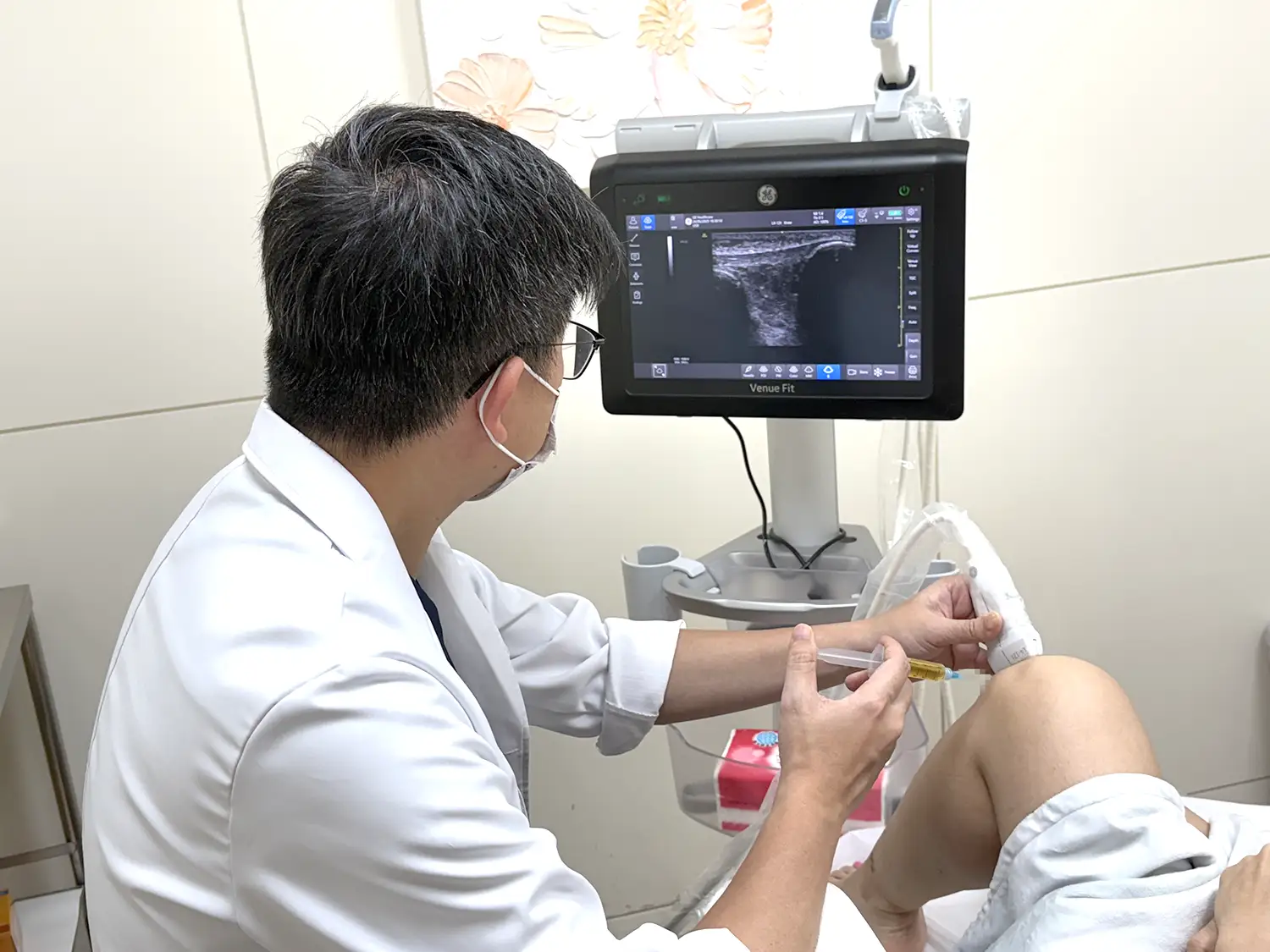
2. PRP/PRF Proliferation Therapy (Platelet-Rich Plasma/Fibrin)
Many top athletes (such as Rafael Nadal and Kobe Bryant) have used this therapy to extend their careers.
- Principle: Draw the patient’s own blood, centrifuge to extract high concentrations of platelets and growth factors, and inject into the injured tendon or joint.
- Advantages: Activates the body’s self-repair mechanism, accelerates tissue healing, and is considered the gold standard for treating stubborn tennis elbow and jumper\’s knee.
3. Traditional and Adjunctive Treatments
- Steroid Injections: Can quickly reduce inflammation and pain, but long-term use may weaken tendons. Recommended only under physician assessment during the acute phase.
- Heat Therapy and Stretching: Basic home care that promotes blood circulation and relaxes muscles.
If sports injuries are not properly treated, they can develop into chronic pain, or even lead to tissue calcification or rupture. For tennis elbow, golfer\’s elbow, or jumper\’s knee, early intervention is key.
Related Articles
Please enter a title here Hsu Fang-wei (Orthopedic Surgeon at Jianli Clinic) | Orthopedic Specialist License No. 002188 Please enter a title here What Is Piriformis Syndrome? A Common Nerve Compression Problem in People Who Sit for Long Periods Every time you walk into an office or a coffee shop, t
Please enter a title here Hsu Fang-wei (Orthopedic Surgeon at Jianli Clinic) | Orthopedic Specialist License No. 002188 Please enter a title here Lately, in my clinic, I often see middle-aged women rush in, looking panicked, pointing to the middle joint of their finger and asking, “Doctor, is my fin
For degenerative knee osteoarthritis, conventional treatments can only relieve pain, whereas PRP (platelet-rich plasma) and PRF (platelet-rich fibrin) work through six scientifically proven mechanisms—“promoting cartilage regeneration,” “modulating inflammation,” and “improving mitochondrial functio