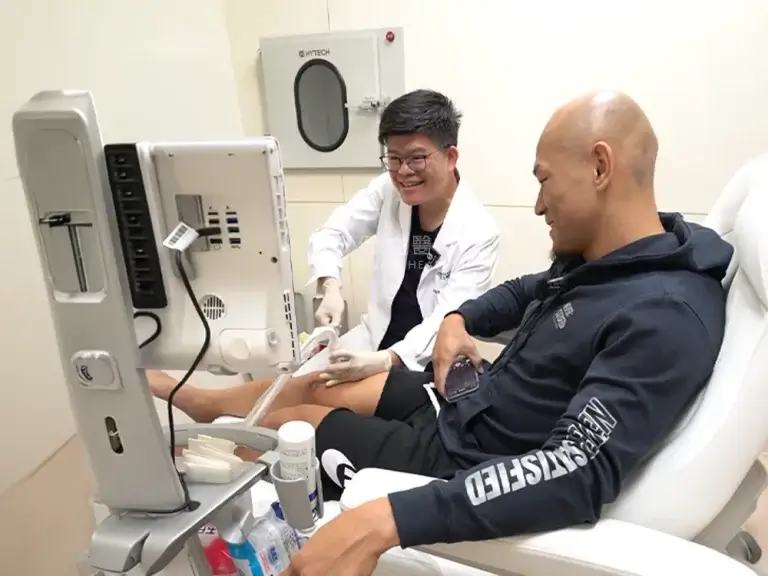
Butt Pain When Sitting? Beware the “Tightening Rubber Band” Compressing Your Nerves! Orthopedic Specialist Dr. Hsu Fang-Wei in Songshan, Taipei Breaks Down the Gluteal Trigger.

Hsu Fang-wei (Orthopedic Surgeon at Jianli Clinic) | Orthopedic Specialist License No. 002188

2026-03-26
What Is Piriformis Syndrome? A Common Nerve Compression Problem in People Who Sit for Long Periods
Every time you walk into an office or a coffee shop, take a close look: out of every ten people, about eight are sitting with their legs crossed. While this posture may feel relaxed and comfortable, you might not realize that for the "piriformis muscle" deep within your buttocks, it’s practically torture!
Lately, my clinic has been seeing a steady stream of office workers, engineers, and secretaries who spend long hours sitting. They come in complaining that their buttocks hurt so much they can’t sit upright—they have to sit with one hip tilted to the side. In severe cases, the pain is so intense they can’t even write code, and walking feels like dragging a useless leg. In fact, this is likely a classic case of “postural” piriformis syndrome.
In this article, Dr. Hsu Fang-wei of Jianli Medical in Songshan District, Taipei, uses real-life examples to help you understand this number one enemy of the sedentary worker—and how to defuse this "butt bomb"!
When the Piriformis Muscle "Puffs Up": The Real Cause of Sciatica
You can think of the piriformis muscle as an elastic rubber band. When we sit for long periods or habitually cross our legs, this muscle becomes inflamed and swollen, turning into a “stretched-out rubber band.”
The worst part is that right beneath this "fat rubber band" lies the sciatic nerve—the thickest nerve in the human body. When the piriformis muscle becomes inflamed and swollen, it tightly constricts the sciatic nerve below it, which is why your buttocks and legs hurt so badly.
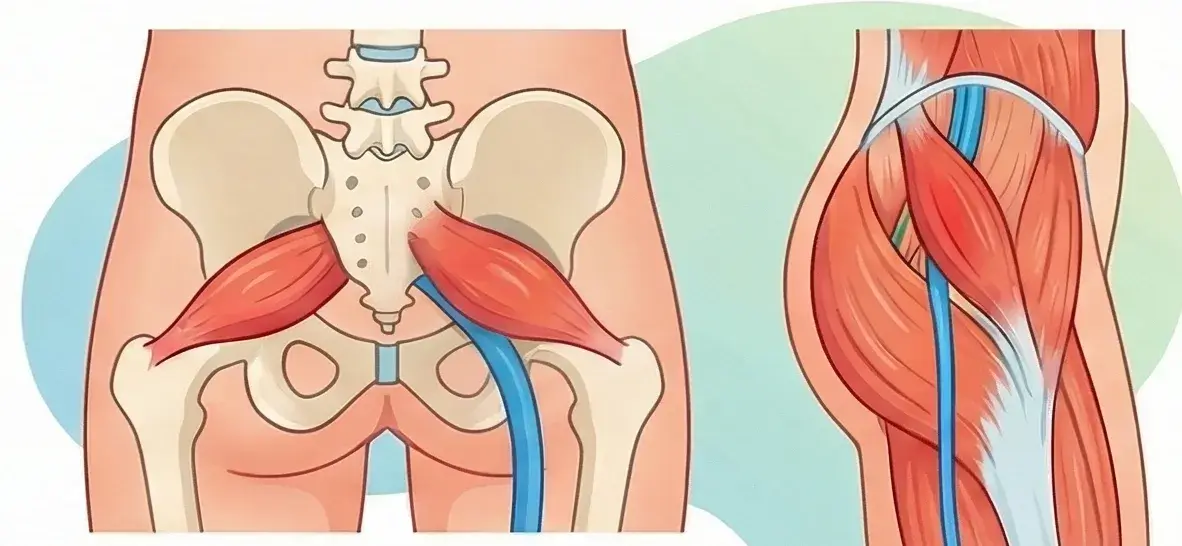
What is the difference between piriformis syndrome and "sciatica"?
Many people confuse the two, but in fact, "piriformis syndrome" is one of the causes of "sciatica."
- Primary sciatica: This is usually caused by problems with the spine (such as a herniated disc or spinal stenosis) that compress the nerve roots.
- Piriformis syndrome: This occurs when the nerve exits the spine and is pinched or constricted by swollen muscles in the "buttocks" area.
The pain in both conditions feels similar, but the source of the pain is entirely different.
Who's at high risk? A look at the bad postures that cause butt pain!
The biggest culprit is a posture that feels comfortable to most people but is like the “Ten Great Tortures of the Qing Dynasty” for the piriformis muscle—crossing your legs! Walk into an office or a coffee shop, and eight out of ten people are sitting with their legs crossed. This poor posture is the primary cause of “postural” piriformis syndrome. In addition, sitting for long periods on a chair that’s too hard is another contributing factor to the symptoms.
Of course, prevention is better than cure. To avoid piriformis inflammation, first pay attention to your chair—a chair that’s too hard is one of the culprits, so get yourself a cushion!
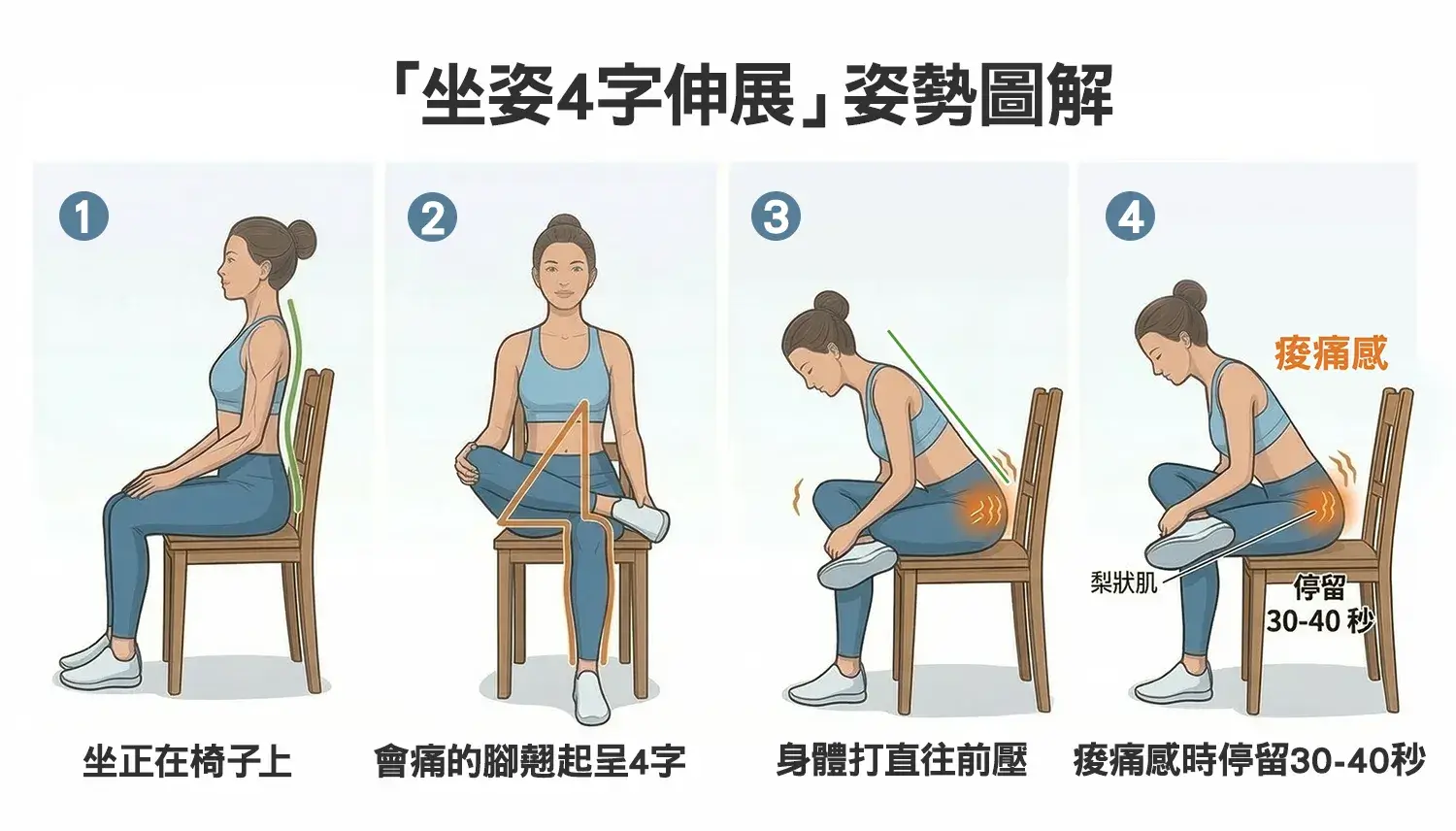
Next, stop crossing your legs immediately and practice this effective “4-Word Seated Stretch” every day:
- Sit upright: Sit on a stable chair without wheels.
- Cross your legs: Place the leg that hurts over the knee of the other leg, so your legs form the shape of the number “4.”
- Lean forward: Keep your body straight and slowly lean forward.
- Hold: When you feel a deep, stretching ache in your glutes, hold this position for 30 to 40 seconds.
What to Do When Symptoms Are Severe? Precision Orthopedic "Bomb Disposal" Technique: Ultrasound-Guided Nerve Release Surgery
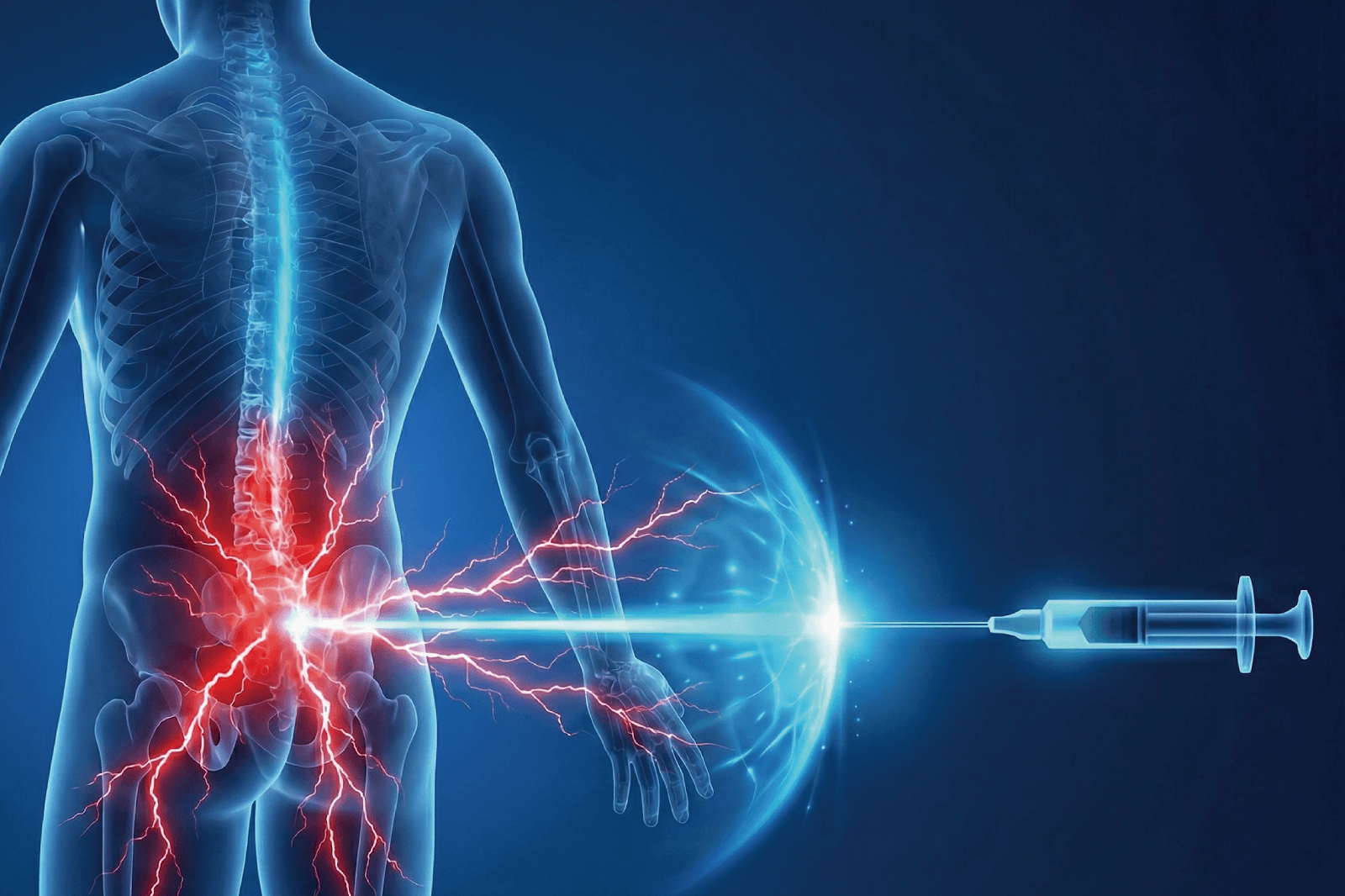
When we encounter a nerve that has been "squeezed" by surrounding muscles, we in orthopedics have a "de-escalation" technique that uses "water" to relieve the pressure on the nerve. It consists of three main steps:
1. Navigation
Using ultrasound, we precisely locate the area where the sciatic nerve is being compressed.
2. Dissection
We precisely inject fluid between the muscle and the nerve. Using the pressure of the fluid, we separate the adhesions, “rescuing” the nerve from the tight muscle and restoring its range of motion.
3. Repair
Simultaneously inject a regenerative solution (such as PRP/PRF) to aid in the repair of the injured nerves and muscles. For many patients, the sensation of tightness and pulling disappears immediately the moment the adhesions are separated.
Clinical Evidence for Piriformis Syndrome: Ultrasound-Guided Injections and PRP Regenerative Therapy
To provide greater reassurance, over the past decade, there has been substantial Level 1 and Level 2 clinical evidence on PubMed supporting the use of “ultrasound-guided injections” and “PRP (platelet-rich plasma)” for the treatment of piriformis syndrome and peripheral nerve compression:
Accuracy and Efficacy of Ultrasound Guidance: Multiple randomized controlled trials have shown that, compared to traditional “blind injection” (manual localization), performing hydrodissection under high-resolution ultrasound guidance significantly reduces injection complications and provides faster and more significant pain relief as measured by the Visual Analogue Scale (VAS) and functional questionnaires.
PRP for Nerve and Muscle Repair: Recent systematic reviews and meta-analyses indicate that, for myofascial pain and peripheral nerve compression (such as the sciatic nerve and median nerve), the long-term efficacy of PRP injections is superior to that of traditional steroid injections. While steroids can reduce inflammation in the short term, they carry a risk of tissue atrophy over the long term;PRP, on the other hand, is rich in growth factors that promote myelin repair and local tissue regeneration; follow-up studies 6 months to 1 year after treatment show a significantly lower recurrence rate.
A Friendly Reminder:
In summary, a compressed nerve will not be relieved by medication alone. The key to a true cure lies in making lifestyle changes—starting with simple habits like avoiding crossing your legs—and, in severe cases, using ultrasound-guided precision release techniques. Don’t let your buttocks become the casualty of a sedentary lifestyle.
[Disclaimer] This article was compiled by Dr. Hsu Fang-wei based on evidence-based medical literature and is intended to provide health education information. Actual treatment methods, dosages, and efficacy vary from person to person. Please be sure to visit a medical facility in person so that a physician can conduct a professional assessment and diagnosis based on your individual condition.
Further Reading:
(Liberty Health Network): https://health.ltn.com.tw/article/breakingnews/5352750 Piriformis Syndrome: Inflammation Pinches the Nerve—Medication Doesn’t Address the Root Cause! Doctors Offer Solutions
(Liberty Health Network): https://health.ltn.com.tw/article/breakingnews/5342522 Is this a graceful way to sit? Doctor: "Crossing Your Legs" May Lead to Piriformis Syndrome
Related Articles
CASE Testimonials Yu Zhicheng is a national mixed martial arts (MMA) athlete representing Team China in Taiwan. Due to years of high-intensity competition and training, his muscles, ligaments, and joints have been subjected to immense stress, making sports injuries a constant risk and resulting in c
Regenerative Medicine Integrative Medicine Regenerative Therapy Please enter a title here Table of Contents All-Natural Tissue Regeneration | A Guide to the Sustained-Release Effects of PRF and Joint Self-Healing PRF (Platelet-Rich Fibrin) is a cutting-edge therapy in modern regenerative medicine. B