
Orthopedic Pain
Ankle & Foot
orthopedics
Orthopedic pain
Ankle and sole
Plantar Fasciitis
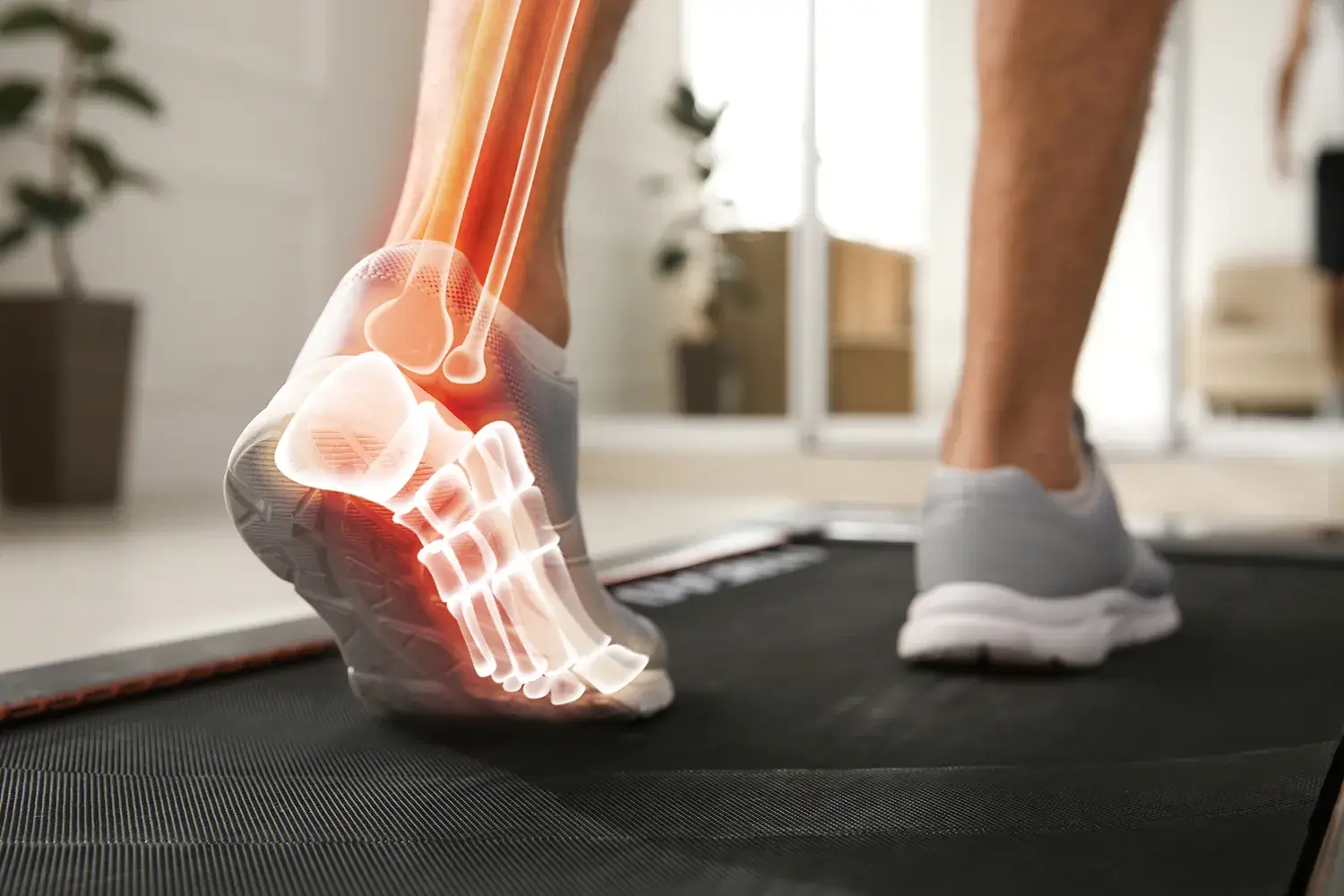
Table of Contents
Does your heel hurt when you take your first steps in the morning? Watch out for plantar fasciitis: Everything you need to know about the causes, symptoms, and treatment of heel pain!
What is plantar fasciitis?
Plantar fasciitis is the most common cause of heel pain. The plantar fascia is a thick band of connective tissue that runs from the heel bone to the base of the toes. Its primary function is to support the longitudinal arch of the foot and act as a "shock absorber" during walking and running.
When this fascia develops micro-tears due to excessive strain, and the rate of repair cannot keep up with the rate of damage, it can lead to chronic inflammation or tissue degeneration.
The Four Main Causes of Plantar Fasciitis
Plantar fasciitis is not caused by a single factor; it is typically closely linked to biomechanical abnormalities and lifestyle habits:
- Abnormal foot structure and mechanics: Flat feet (where the arch collapses, causing excessive stretching of the fascia) or high arches (where pressure is concentrated on the heel and forefoot) alter pressure distribution.
- Insufficient external support: Wearing shoes with soles that are too thin (such as flip-flops), too stiff, or lacking arch support directly increases mechanical stress on the plantar fascia.
- Overuse and environmental factors: Prolonged standing or walking on hard surfaces, or a sudden increase in physical activity (such as marathon training).
- Increased physiological load: Being overweight or pregnant significantly increases the load on the feet, accelerating plantar fascia fatigue.
Common Symptoms of Plantar Fasciitis: Do You Experience "First-Step Pain"?
If you experience any of the following symptoms, we recommend seeking a professional evaluation:
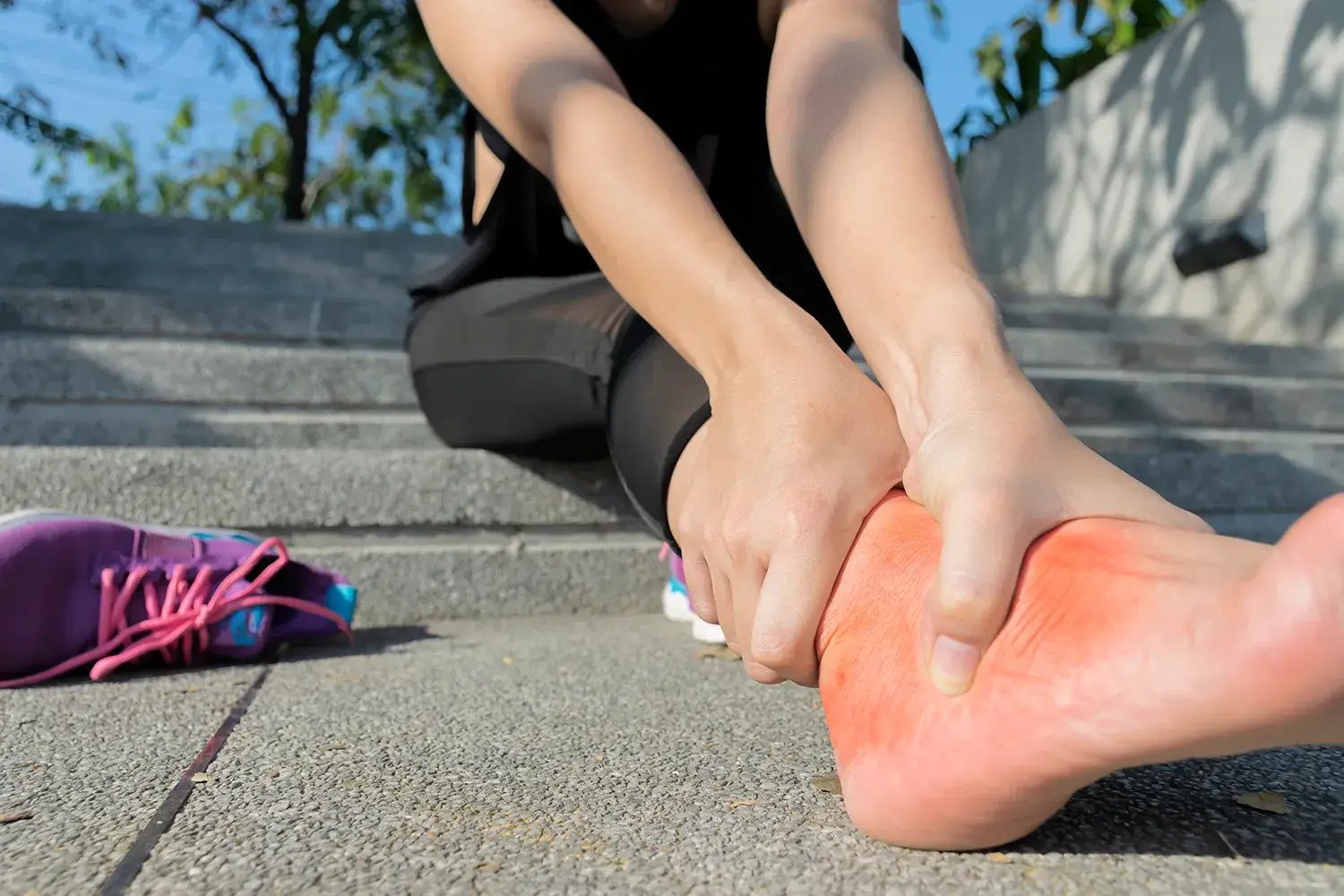
- Severe pain with the first step in the morning: After a night’s rest, the fascia contracts; the moment you step out of bed, the fascia is violently stretched, causing a sharp pain.
- Stiffness upon standing after sitting for a long time: Pain is most pronounced when resuming activity after a period of inactivity.
- Localized tenderness: A distinct tender spot on the inner side of the heel.
- Worsening after activity: Pain may temporarily subside during exercise but returns after stopping or resting.
High-risk groups for plantar fasciitis
Plantar fasciitis is not exclusive to the elderly; here are several common groups at risk:
- People who stand or walk for long periods: such as teachers, healthcare workers, and those in the service industry.
- Athletes: particularly long-distance runners, dancers, or athletes who frequently jump.
- People who are overweight: Excess weight directly increases the strain on the feet.
- People with flat feet or high arches: Abnormal foot structure can lead to uneven distribution of pressure on the sole.
- Middle-aged and older adults: As people age, the elasticity of the plantar fascia decreases.
- Pregnant women: Weight gain and hormonal changes may lead to increased pressure on the feet.
These conditions can affect daily walking and standing. If left untreated, the pain may worsen over time, impacting quality of life.
Guide to Daily Prevention and Home Care for Plantar Fasciitis
The key to preventing recurrence lies in "reducing tension" and "increasing flexibility":
- Choose the right arch support: Use insoles with cushioning and arch support to distribute pressure.
- Plantar fascia stretch: While seated, curl your toes toward your ankles and hold for 15–30 seconds.
- Relaxing the calf muscles: Use a tennis ball or massage ball to roll the sole of your foot, or perform "wall lunges" to stretch your calves.
- Alternate Cold and Heat Therapy: Apply ice during acute inflammation (redness, swelling, heat, and pain); apply heat during chronic stiffness to promote blood circulation.
Integrated Treatment Approach for Plantar Fasciitis: From Conservative Therapy to Regenerative Medicine
- When home care proves ineffective, the following step-by-step treatment options should be considered:
1. Traditional conservative treatment
- Physical therapy: Ultrasound, electrotherapy, and heat therapy, aimed at reducing local inflammation.
- Medication: Nonsteroidal anti-inflammatory drugs (NSAIDs) to relieve acute discomfort.
2. Jianli Clinic’s “Integrated Repair Program”: A New Non-Invasive Option
For chronic pain or recurrent conditions, Jianli Clinic combines technology with regenerative medicine to provide deeper-level repair:
- PRP/PRF Regenerative Therapy
Principle: Extraction of platelet-derived growth factors from the patient’s own blood, followed by precise injection into the damaged area.
Advantages: Unlike steroids, which merely suppress inflammation, PRP/PRF induces tissue regeneration, repairing micro-tears at the source and slowing down degeneration.
- SIS Super Inductive System (SIS)
Principle: Utilizes high-intensity focused electromagnetic fields to induce deep muscle contraction and nerve modulation.
Objective: To rapidly relieve pain, relax muscles tightened due to compensatory mechanisms, and improve microcirculation.
Frequently Asked Questions About Plantar Fasciitis
My first step in the morning is extremely painful. Could it be plantar fasciitis?
This is one of the typical symptoms.
If you experience “severe pain on the first step in the morning, which is slightly relieved after activity, but the pain returns after walking for a while,” plantar fasciitis is highly suspected. The pain is mostly concentrated on the inside of the heel or in the arch of the foot.
Will plantar fasciitis heal on its own?
Mild or early symptoms can improve with rest, stretching, and insole adjustments, typically within weeks to months.
However, if the pain persists for more than 3 months, it may indicate a chronic degenerative stage, and professional evaluation is recommended to prevent it from developing into intractable heel pain.
Are plantar fasciitis and bone spurs the same?
Not entirely the same. Bone spurs are bone growths, while plantar fasciitis is inflammation or degeneration of the plantar fascia.
Both can coexist, but the primary cause of pain usually comes from the fascia itself, not the bone spurs.
Who is particularly susceptible to plantar fasciitis?
Those who stand for long periods (teachers, healthcare workers, service industry workers)
Long-distance runners or jumpers
People with flat feet or high arches
Overweight individuals
Middle-aged people and pregnant women
Can I continue exercising if I have plantar fasciitis?
During acute inflammation, it is recommended to reduce or stop high-impact exercises (running, jumping).
Switch to low-impact exercises such as swimming or cycling.
At the same time, be sure to strengthen the stretching of the plantar muscles and calf muscles.
Is it necessary to get an injection or undergo shockwave therapy?
Not necessarily. Most patients improve with conservative treatment (stretching, insoles, physical therapy).
If recurrence persists for more than 3 months, extracorporeal shock wave therapy or proliferative therapy (PRP/PRF) may be considered, with suitability assessed by a physician.
What is the principle behind PRP/PRF treatment for plantar fasciitis?
PRP/PRF is derived from the patient’s own blood, concentrated to a high concentration of growth factors, and then precisely injected into the damaged fascia.
The aim is to promote tissue repair and regeneration, reduce chronic inflammation, and it is a non-surgical regenerative medicine treatment.
Does plantar fasciitis require surgery?
Surgery is only considered for a very small number of patients who do not respond to long-term conservative treatment and experience severe pain.
Currently, minimally invasive or endoscopic methods are mostly used.
Most patients can improve through integrated treatment and do not need to undergo surgery.
Related Articles
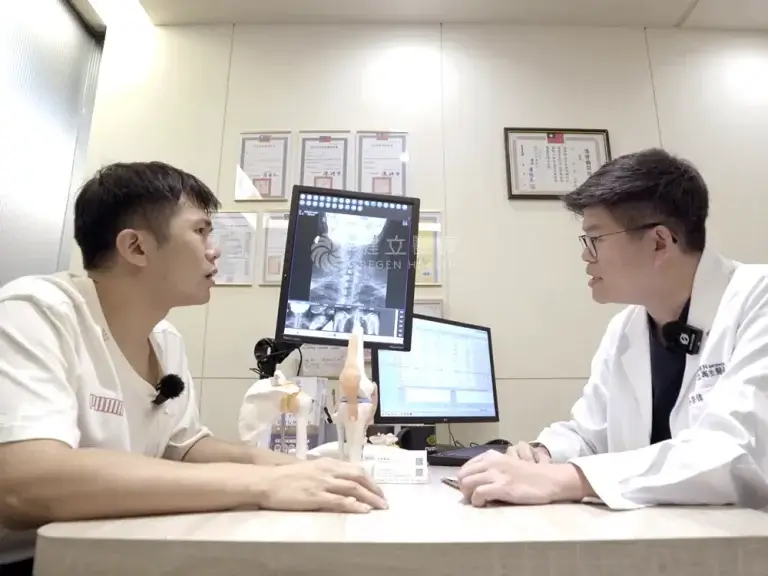
CASE Testimonials Popular online content creator "Goodnight Old Si Ji" suffered from recurring plantar fasciitis due to prolonged standing and constant movement, with the pain becoming so severe that he could no longer put weight on his feet. Following a professional evaluation by the orth
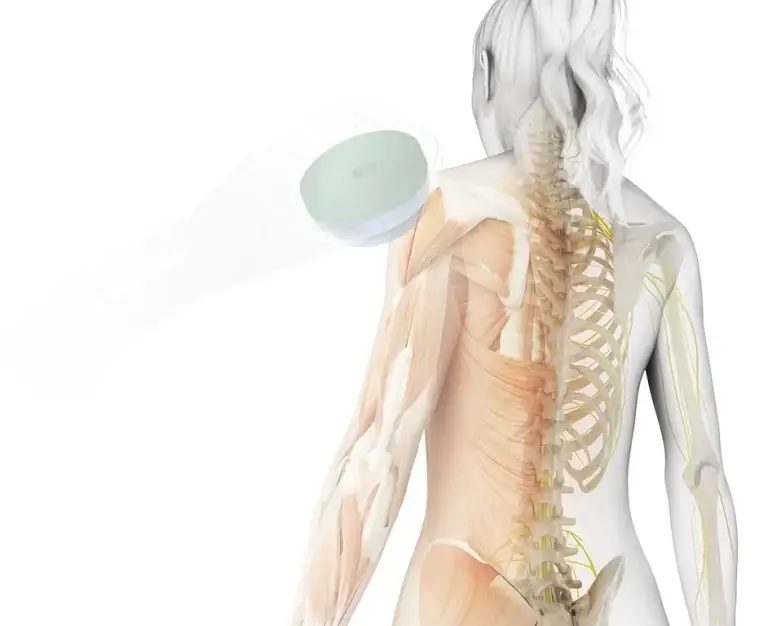
Regen Health SIS 超磁場治療儀是一種獲得美國 FDA 與台灣衛福部認證的非侵入性復健設備。它利用 HIFEM 高強度聚焦電磁場技術,能穿透皮下 10 公分,針對深層肌肉與神經進行修復。臨床證實能有效改善急性/慢性疼痛、促進骨折癒合、放鬆肌肉,並廣泛應用於奧運選手的運動傷害恢復。 What Is the SIS Super Inductive System Therapy? Principles and Core Technology SIS (Super Inductive System) is a groundbreaking rehabilitation medical device whose core technology is HIFEM (High-Intensity Focused Electromagnetic).Unlike traditional electrotherapy, which acts only on the epidermis, SIS generates a magnetic field with an intensity of up to 2.5 Tesla, capable of safely penetrating human tissue up to 10 centimeters without skin contact. This means it can directly target deep structures such as the spine, nerve roots, bones, and
