
Minimally Invasive Arthroscopic Knee Surgery

Regen Health
2026-03-13
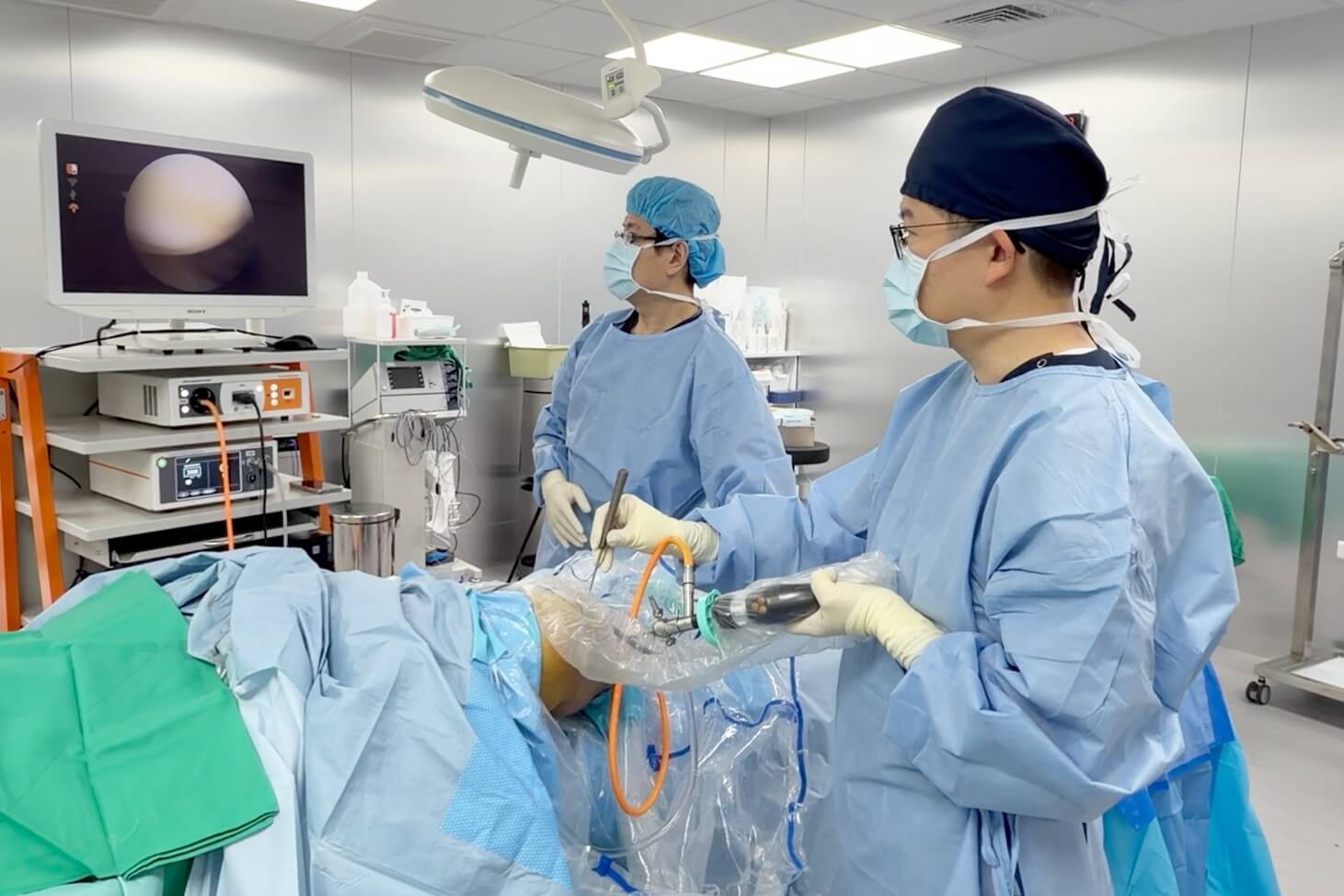
[The Complete Guide to Arthroscopic Cartilage Repair] Everything You Need to Know About the Minimally Invasive Procedure, Indications, and Postoperative Rehabilitation!
Do you experience knee pain so severe that you can’t squat, feel your knee lock up after walking for a while, or even have the sensation that “sandpaper is rubbing inside your knee”? When these symptoms appear, many people instinctively assume they’re due to irreversible “joint degeneration.” However, the more common and treatable underlying cause is damage to the joint cartilage.
Because cartilage lacks nerves and blood vessels, once it becomes worn or torn, the body is virtually unable to repair it on its own. If left untreated, minor damage often accelerates into widespread osteoarthritis.In the past, treatment options for such issues were limited; however, today, “arthroscopic cartilage repair” has become the gold standard in minimally invasive procedures for saving damaged cartilage without the need for open surgery.
If you are suffering from chronic joint pain or if an MRI has failed to identify a clear cause, this article will guide you through the unique advantages of arthroscopy, the symptoms best suited for this procedure, the complete surgical process, and key points for post-operative rehabilitation.
MRI Results Are Normal, But You’re Still in Pain? A Chart Explains the Differences Between MRI and Arthroscopy
- Many patients undergo an MRI (magnetic resonance imaging) scan after conservative treatment proves ineffective, but sometimes the MRI shows no obvious abnormalities, yet the joint remains painful. This is precisely the key functional difference between MRI and arthroscopy:
MRI vs. Arthroscopy: Core Functional Comparison
- MRI (Magnetic Resonance Imaging): This is an "indirect imaging" method. While it can clearly visualize large-scale structures, its ability to detect minute cartilage tears or early-stage cartilage softening is often limited by resolution or blind spots.
- Arthroscopy: This is a form of “direct visual diagnosis and treatment.” A high-definition camera is inserted into the joint cavity, providing a clear view of even the finest cartilage irregularities. Furthermore, areas that are unclear on MRI can be directly identified and immediately repaired via arthroscopy.
MRI vs. Arthroscopy: A Comparison of Core Functions
| Item | MRI (Magnetic Resonance Imaging) | Arthroscopic Cartilage Repair |
| Main Functions | Preoperative Non-invasive Imaging Diagnosis | Precise Diagnosis + Immediate Minimally Invasive Treatment |
| Imaging Features | Static, black-and-white cross-sectional images | Dynamic, high-definition color real-time views |
| Diagnosis of Microscopic Lesions | Often missed due to blind spots or limited resolution | Zero blind spots—even microscopic fragments on the cartilage surface are clearly visible |
| Treatment capabilities | Cannot treat | Problems can be addressed immediately with debridement or repair |
Video Introduction to Arthroscopic Surgery
What is "arthroscopic cartilage repair"?
Arthroscopic cartilage repair involves inserting an endoscope through a small incision of 0.5–1 cm into the joint to directly visualize the site of cartilage damage and perform the repair using minimally invasive techniques. All procedures are performed under high-definition arthroscopic visualization, ensuring precision, safety, and minimal scarring.
The 6 Major Benefits of Minimally Invasive Arthroscopic Cartilage Repair
- Minimal incision: Just 0.5–1 cm, leaving virtually no visible scar and causing minimal tissue damage.
- Precise repair: High-definition cameras allow the surgeon to directly visualize the damaged cartilage, ensuring greater accuracy in positioning.
- Simultaneous diagnosis and treatment: Issues can be addressed immediately upon detection.
- Less postoperative pain: Due to the minimally invasive incision and minimal tissue damage, postoperative discomfort is significantly reduced.
- Quick recovery: Most patients can resume daily activities shortly after surgery.
- Delayed Degeneration: Cartilage repair helps slow the progression of joint degeneration.
Do I Need Arthroscopy? Indications and Assessment of High-Risk Groups
• Side effects: Within 3–7 days after the injection, you may experience soreness, tightness, pain, or localized swelling as the body initiates the healing process; this is a normal healing response.
• Contraindicated Medications: Avoid taking nonsteroidal anti-inflammatory drugs (NSAIDs) one week before and after the procedure to prevent inhibition of platelet function, which could reduce treatment efficacy.
• Nutritional Supplements: It is recommended to supplement with vitamin C (1000 mg), protein, collagen, and glucosamine to accelerate tissue regeneration.
How Is Minimally Invasive Arthroscopic Cartilage Repair Performed? 5 Key Steps and Repair Techniques
Pushing the Limits of Repair: Why Is "Regenerative Therapy" Strongly Recommended? Arthroscopic cartilage repair is a precise minimally invasive procedure that typically takes about 60–90 minutes. The standard treatment process is as follows:
The 5 Key Steps of Arthroscopic Minimally Invasive Surgery
- Anesthesia Assessment (Regional or General): The surgeon will determine the safest and most appropriate anesthesia method based on your treatment site and individual physical condition.
- Creating Micro-Incisions: 1–2 extremely small incisions, measuring just 0.5–1 cm, are made around the joint to minimize tissue damage.
- Arthroscopic Examination: An arthroscope equipped with a high-definition camera is inserted into the joint cavity. The surgeon carefully examines internal structures such as cartilage, menisci, and ligaments to identify microscopic lesions that may have been missed on MRI.
- Precise Cartilage Repair: Depending on the depth and extent of the cartilage damage, the surgeon will employ various minimally invasive techniques (e.g., cartilage debridement, microfracture, cartilage grafting). Additionally, depending on the situation, regenerative therapies (such as PRF, PRP, or BMAC) may be injected into the joint to accelerate cartilage repair and improve the quality of the repair.
- Wound Closure and Recovery: The arthroscope is removed, and the small incision is carefully closed, concluding the procedure. The entire process takes approximately 30–90 minutes, and most patients are able to be discharged on the same day or the following day.
Pushing the Limits of Repair: Why Is "Regenerative Therapy" Strongly Recommended?
- While simple debridement or microfracture surgery can alleviate symptoms, cartilage repair remains limited. To accelerate healing, these procedures can be combined with regenerative therapies (such as BMAC [bone marrow-derived concentrated cells], amniotic growth factors, PRF [platelet-rich fibrin], and PRP [platelet-rich plasma]), which have become the gold standard for non-surgical cartilage repair. The addition of regenerative factors significantly enhances the results:
- Better repair quality: BMAC, PRF, and amniotic membrane promote the activity of regenerative cells, resulting in a repair layer that more closely resembles true cartilage.
- Longer-lasting anti-inflammatory and pain-relieving effects: Amniotic membrane and PRF contain natural anti-inflammatory factors that can significantly reduce postoperative swelling.
- Delayed Degeneration: Protects remaining cartilage, postponing the need for joint replacement.
- Particularly effective for "localized damage": For pit-like cartilage defects, the results are especially pronounced when combined with regenerative therapy.
Post-Arthroscopy Care Guidelines and Frequently Asked Questions
The key to successful cartilage repair lies in rehabilitation; do not rush the process.
Postoperative Care Guidelines
- Apply ice to reduce swelling: 15–20 minutes at a time for the first 48 hours.
- Keep the wound dry: Avoid infection; if redness, swelling, or fever occurs, return for a follow-up visit.
- Avoid excessive weight-bearing: Use assistive devices or crutches as directed based on the surgical site.
- Switch to low-impact exercises: such as swimming or cycling; avoid running or jumping.
Outpatient FAQs
Q1: Is arthroscopic cartilage repair surgery painful?
You may experience mild to moderate discomfort after surgery, which can usually be managed with oral pain medication. Because this is a minimally invasive procedure, the incision is very small (only 0.5–1 cm) and causes minimal tissue damage, resulting in significantly less postoperative pain and a shorter recovery period compared to traditional surgery.
Q2: Does this surgery require an overnight hospital stay?
To allow patients to return to their familiar surroundings as soon as possible, our clinic’s arthroscopic surgeries do not require hospitalization. After the procedure, patients are observed briefly in the clinic and can return home the same day to rest and recover.
Q3: How soon after surgery can I walk normally or return to work?
General daily mobility typically returns within 1–2 weeks; returning to work depends on the nature of the job. For sedentary office work, patients can usually return to work quickly; however, for physically demanding jobs involving prolonged standing or heavy lifting, a longer rehabilitation period is required.
Q4: Will the repaired cartilage “completely” return to its original state?
Cartilage does not “regenerate completely” like skin, but minimally invasive repair can improve joint stability and comfort while slowing down degeneration. The core goal of the surgery is to smooth out uneven, fragmented cartilage and stimulate the growth of new repair tissue, allowing you to regain pain-free mobility.
Q5: My MRI report shows normal results, so why does the doctor still recommend arthroscopy?
Although MRI is an excellent imaging tool, it inevitably has blind spots and sometimes cannot clearly visualize very small areas. Arthroscopy allows a high-definition camera to be inserted directly into the joint cavity, providing a “zero-blind-spot” examination. Areas that are unclear on MRI can be directly confirmed and immediately repaired via arthroscopy.
Q6: If I’m active (or an athlete), can I return to sports after surgery?
In most cases, yes, but the timing of your return to sports will depend on your individual rehabilitation progress. Many patients who love sports have successfully returned to the field after cartilage or meniscus repair, following a gradual, personalized rehabilitation program.
Q7: Why is it recommended to combine arthroscopic surgery with regenerative therapy injections (such as PRF, PRP, BMAC, or amniotic membrane)?
Arthroscopy allows us to “see and address the problem,” but to ensure greater stability and more complete healing in the repaired area, a favorable biological environment is essential. Regenerative therapy injections provide a rich supply of growth factors and regenerative signals, which can accelerate healing after arthroscopic treatment, improve the quality of repair, reduce inflammation and pain, and slow the rate of degeneration.
Q8: Who is not a suitable candidate for arthroscopic surgery?
Patients with severe joint deformity or complete loss of cartilage may require alternative treatment options. When cartilage has been completely worn away (severe osteoarthritis), the scope for minimally invasive repair is very limited. In such cases, physicians typically recommend evaluating other options, such as total joint replacement.
Related Articles

CASE Testimonials What Can Be Done About Recurrent Knee Pain Due to Degenerative Conditions? For many middle-aged and older adults, degenerative knee conditions often lead to a sharp decline in quality of life. Mr. Wu, an avid cyclist, has been suffering from recurring knee pain for over three month
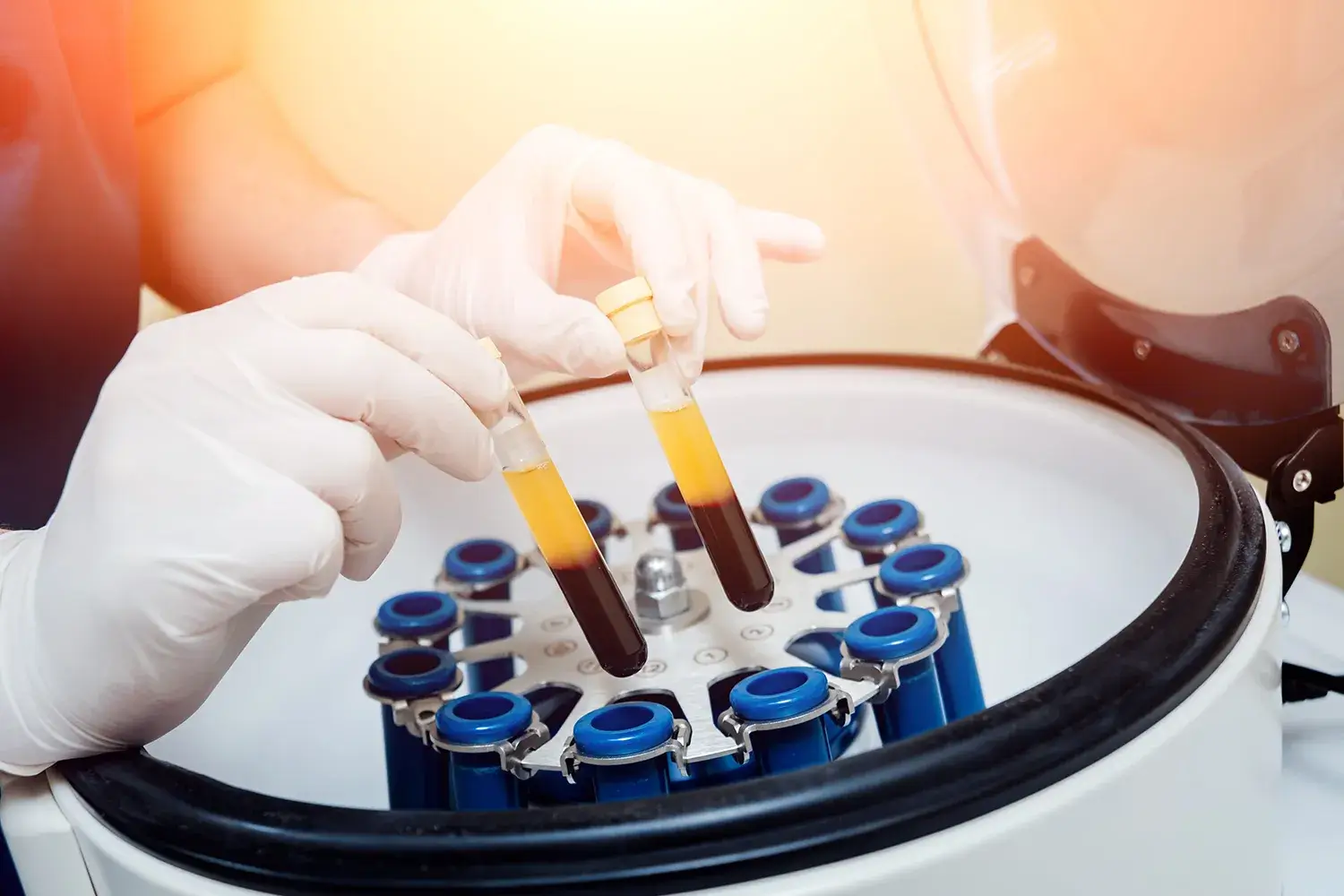
Regen Health Advanced PRP Therapy | The Golden Treatment for Activating the "Self-Repair" Mechanism of Joints and Tendons PRF is a highly safe, naturally derived regenerative medicine therapy that utilizes growth factors and fibrin structures from the patient’s own blood to help the body a
