
“Refusing Knee Replacement and Giving Up Cycling…” Mr. Wu and Ms. Chen’s PRF Non-Surgical Regenerative Journey
What Can Be Done About Recurrent Knee Pain Due to Degenerative Conditions? For many middle-aged and older adults, degenerative knee conditions often lead to a sharp decline in quality of life. Mr. Wu, an avid cyclist, has been suffering from recurring knee pain for over three months. He has tried painkillers, acupuncture, ice packs, and physical therapy, but the pain keeps coming back. His doctor even suggested he consider knee replacement surgery, which would mean he might have to give up his beloved cycling. Another patient, 80-year-old Ms. Chen, has been undergoing physical therapy three times a week for two years to treat her degenerative knee condition. However, her knee continues to swell and ache repeatedly, turning the rehabilitation process into a long, grueling battle of endurance. In search of a non-surgical treatment option, both patients visited Jianli Clinic in Taipei’s Songshan District to receive a thorough evaluation from orthopedic specialist Dr. Hsu Fang-wei.
- Orthopedic Pain
- PRF再生療法
- 吳先生 / 65歲;陳女士 / 80歲

The Weakness of Degenerative Joints: An Endless Cycle of Painkillers and Ineffective Rehabilitation
“When going up or down stairs, my knees feel like they’re locking up, causing pain and weakness.” This is the most
common description given by patients with osteoarthritis of the knee.
Many patients often experience the following cycle:
pain → taking painkillers → slight relief → renewed inflammation → recurrence of pain
. While traditional treatments can temporarily alleviate symptoms, it is often difficult to truly break this cycle of pain without improving the healing environment within the joint.
No Blind Placement Ultrasound-Guided × PRF 3D Repair Scaffold
Following a detailed musculoskeletal ultrasound and physical examination, Dr. Hsu Fang-wei developed a treatment plan for the two patients: PRF regenerative therapy + ultrasound-guided precision injections
Dr. Hsu noted that when joint cartilage wear
and chronic inflammation persist, relying solely on pain medication or device-based treatments often addresses symptoms rather than the root cause. It is essential to establish a “healing environment” within the joint to truly improve joint function.
PRF (Platelet-Rich Fibrin) is a regenerative therapy extracted from the patient’s own blood that promotes tissue repair through growth factors.
Why choose PRF regenerative therapy?
Three Major Benefits of Treating Degenerative Knee Joints:
1️⃣ Long-lasting Release of PRF Repair Factors
: PRF features a 3D fibrin scaffold structure that securely adheres to damaged joint areas and continuously releases growth factors to promote tissue repair.
2️⃣ Ultrasound-Guided Precision Treatment
: High-resolution ultrasound is used to locate the affected area, allowing for precise injection of PRF into the damaged tissue and avoiding the guesswork of traditional methods.
3️⃣ Minimally Invasive Treatment Without Surgery
: PRF is a non-surgical procedure with a short recovery period, making it particularly suitable for:
- Those who do not wish to undergo joint replacement surgery
- Elderly patients or those with chronic conditions
- Those seeking to slow joint degeneration
Real-Life Feedback on PRF Therapy: Back to Cycling and Effortless Rehabilitation
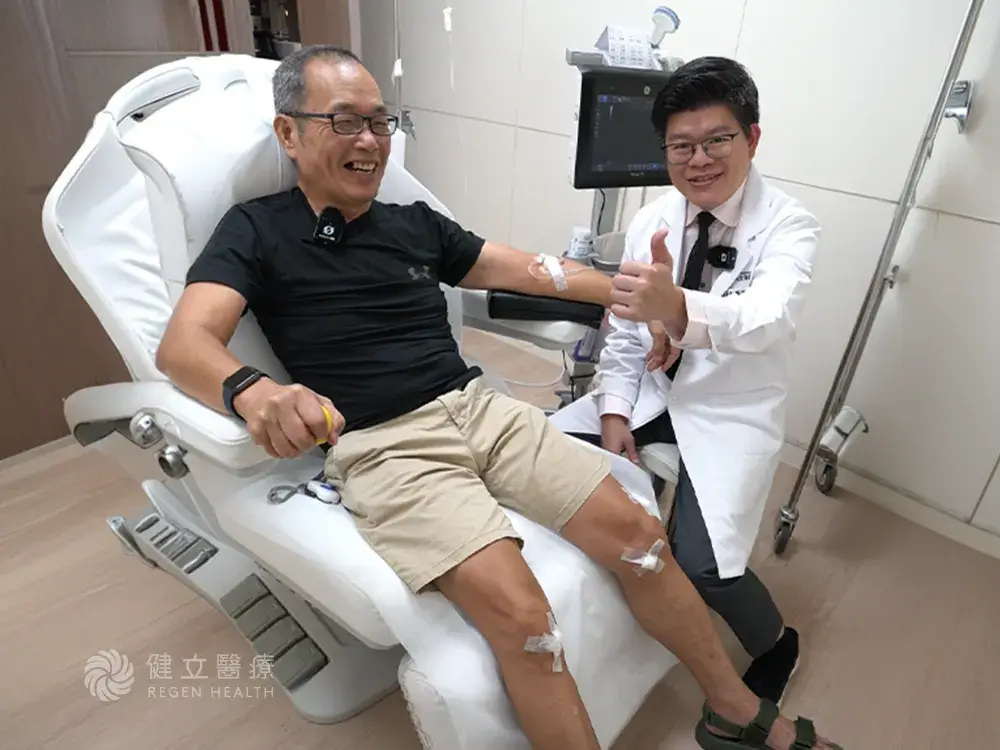
[Mr. Wu shares] “I
thought I’d never be able to ride a bike again. After undergoing PRF treatment, not only does my knee no longer hurt when going up and down stairs, but I can now easily cycle 40 kilometers on weekends. My dream of cycling around the island is back.”
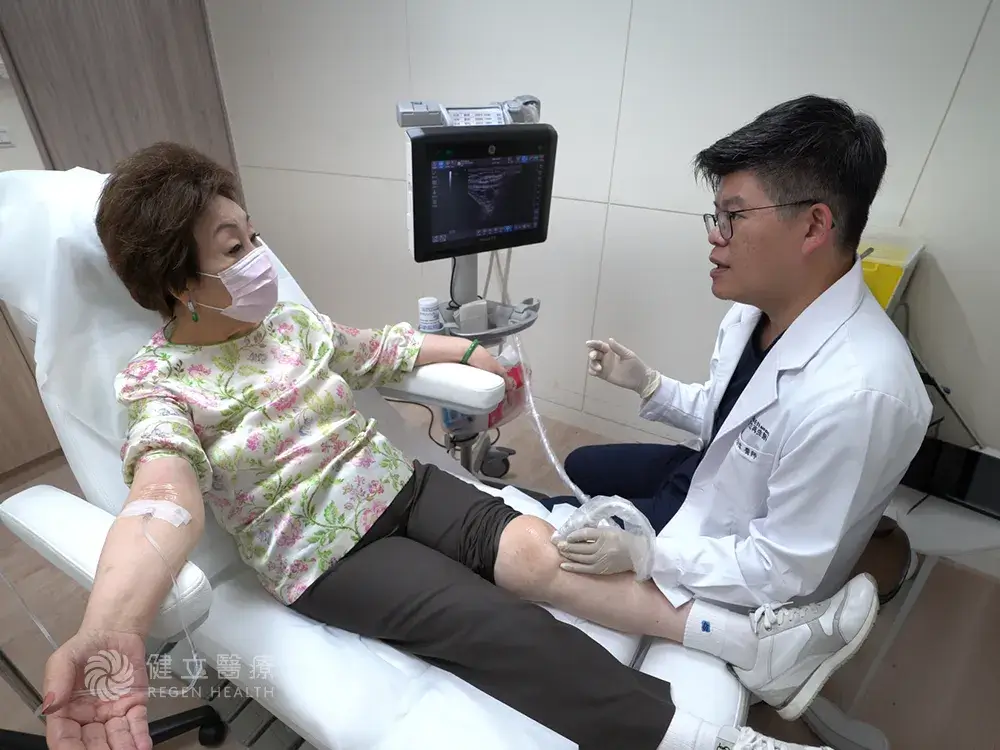
[Ms. Chen shares]
“Rehabilitation used to feel like a punishment. After the PRF treatment, the swelling in my knee has significantly decreased, and it’s much easier to move around. Now, I finally feel like I’m making real progress in my rehab.”
[FAQ] Knee Degeneration and PRF Regenerative Therapy
Q1: Is knee replacement surgery always necessary for osteoarthritis?
Q2: What is the difference between PRF and PRP?
Q3: Does the PRF injection hurt?
Q4: How soon after PRF treatment can I walk?
Most patients are able to walk normally on the same day, but it is recommended that they avoid strenuous exercise for the first few days.
Q5: How long does it take to see results from PRF?
Q6: What joint problems can PRF treat?
Common indications include:
- Knee osteoarthritis
- Frozen shoulder
- Rotator cuff tear
- Plantar fasciitis
- Tennis elbow
- Calcific tendinitis
Q7: How many times does the PRF need to be administered?
Q8: Is PRF suitable for elderly patients?
Related Cases
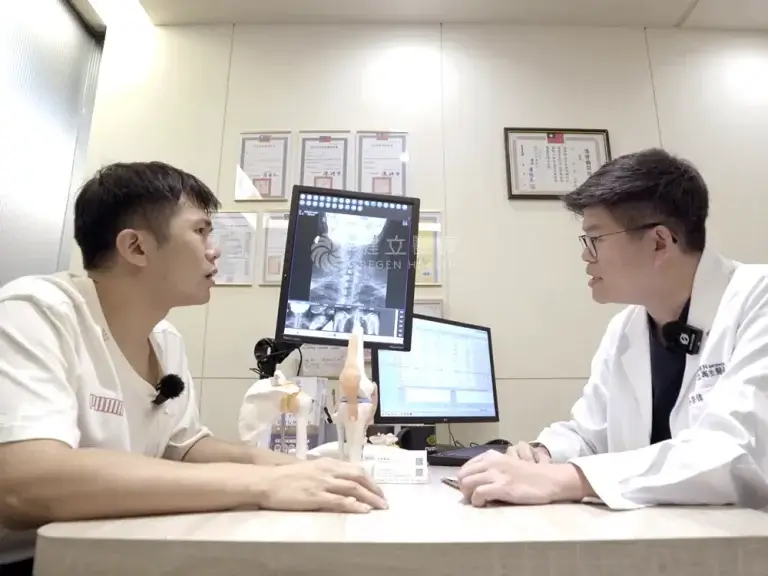
CASE Testimonials Popular online content creator "Goodnight Old Si Ji" suffered from recurring plantar fasciitis due to prolonged standing and constant movement, with the pain becoming so severe that he could no longer put weight on his feet. Following a professional evaluation by the orth
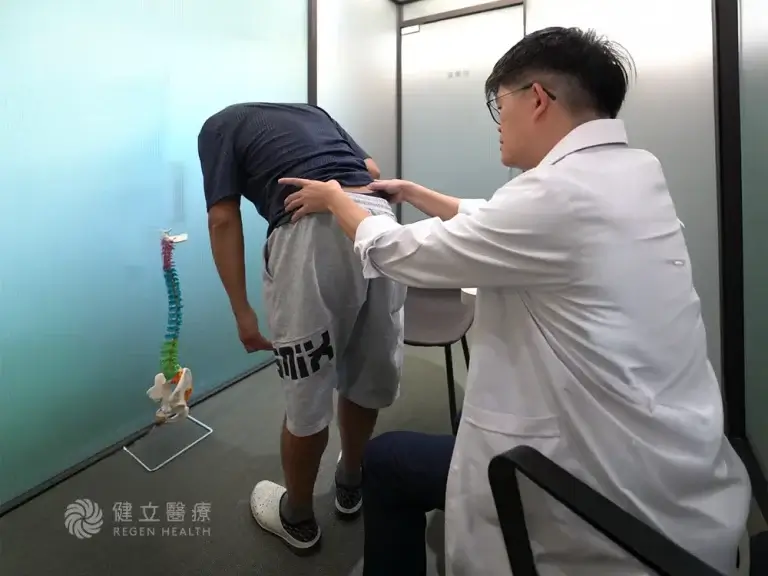
CASE Testimonials Mr. Wang, who has long engaged in physically demanding work, suffered severe strains to his lumbar spine and deep muscles due to frequent bending and lifting of heavy objects. He has endured chronic lower back pain for years, and traditional rehabilitation has yielded limited resul
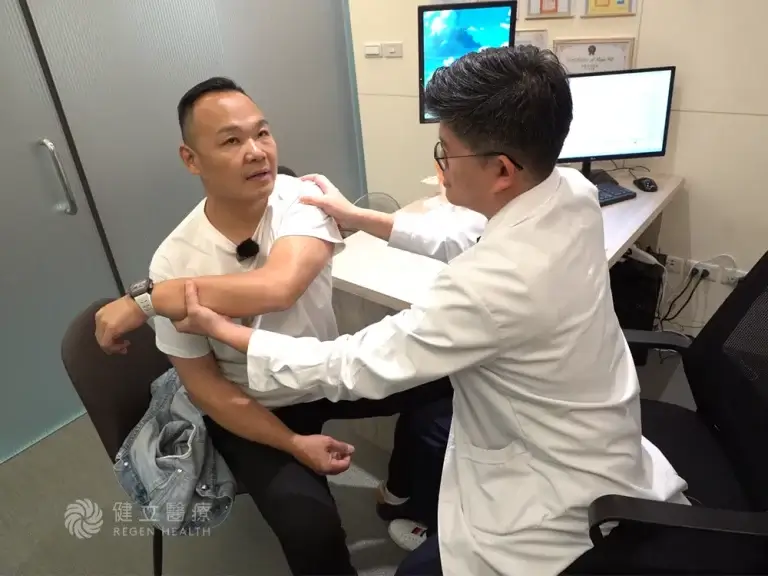
CASE Testimonials Mr. Xie, the owner of Hongda International, has maintained a regular fitness routine for many years, yet he has been plagued by a five-year-old shoulder injury that prevented him from raising his arm smoothly and even caused him to wake up in pain when turning over in bed at night.
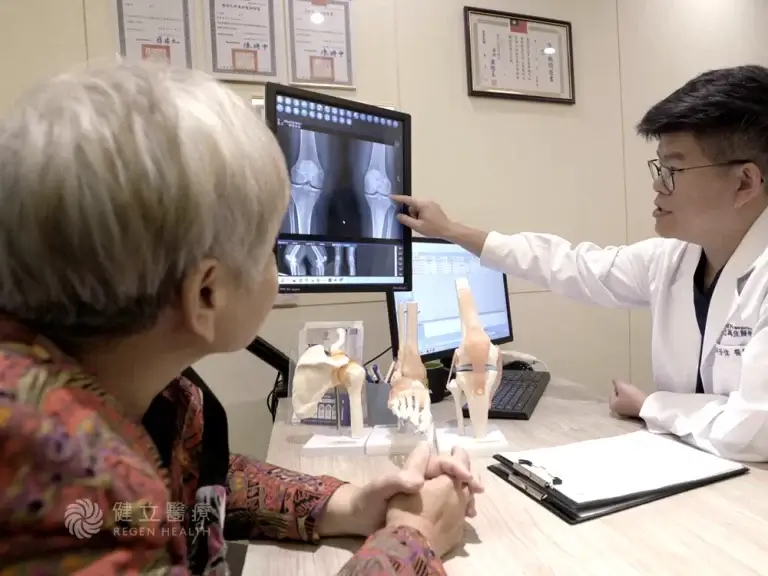
CASE Testimonials Mrs. Chen, 70, had suffered from osteoarthritis for many years. After several PRP treatments, she noticed a significant improvement: not only has her knee pain decreased dramatically, but she can now play with her grandchildren freely and has regained her mobility! Afraid of surgic
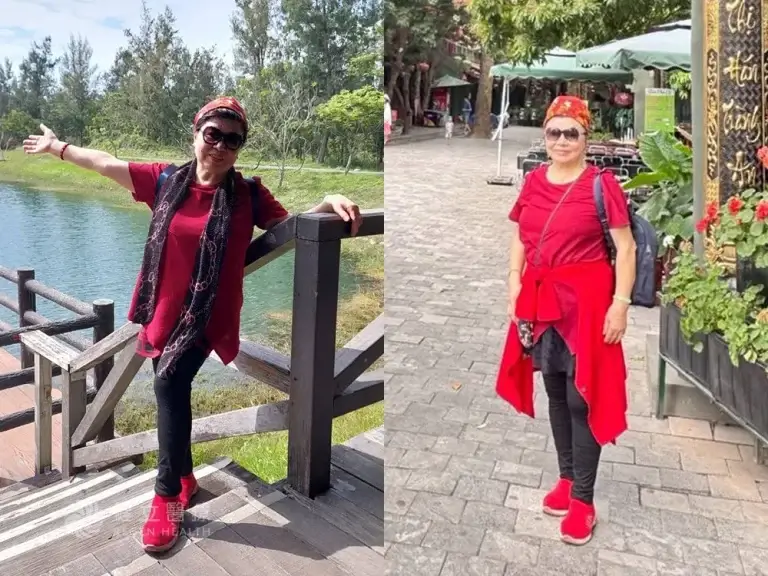
CASE Testimonials Mrs. Chen had previously undergone total knee replacement surgery on her right knee. Fully aware of the hardships of the recovery period, she was extremely reluctant to undergo another operation despite suffering from severe osteoarthritis in her left knee, and could only endure th
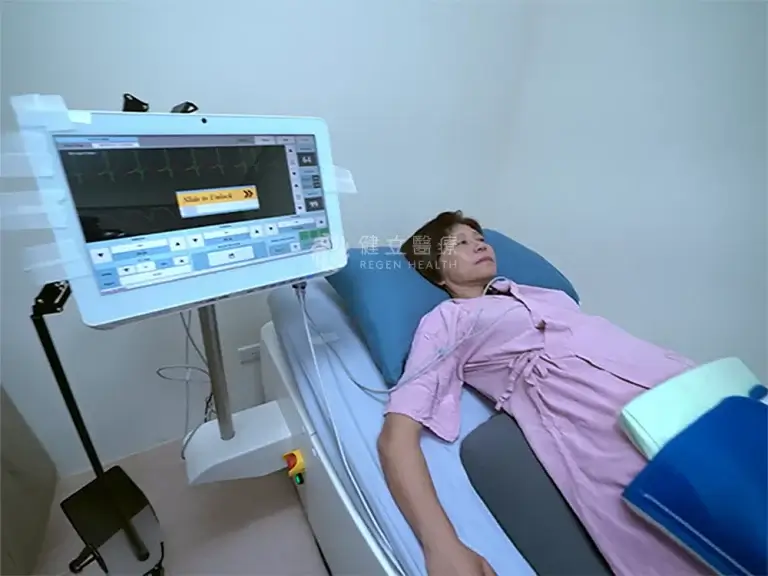
CASE Testimonials While accompanying an elderly relative for a health checkup, Ms. Lin discovered she might have a hereditary form of hyperlipidemia. In her recent checkup, her total cholesterol level had skyrocketed to 218 mg/dL. “I didn’t have any symptoms at first—I just felt short of breath when
