
Orthopedic Pain
Elbow Joint
Orthopedic pain
Elbow joint
Cubital Tunnel Syndrome
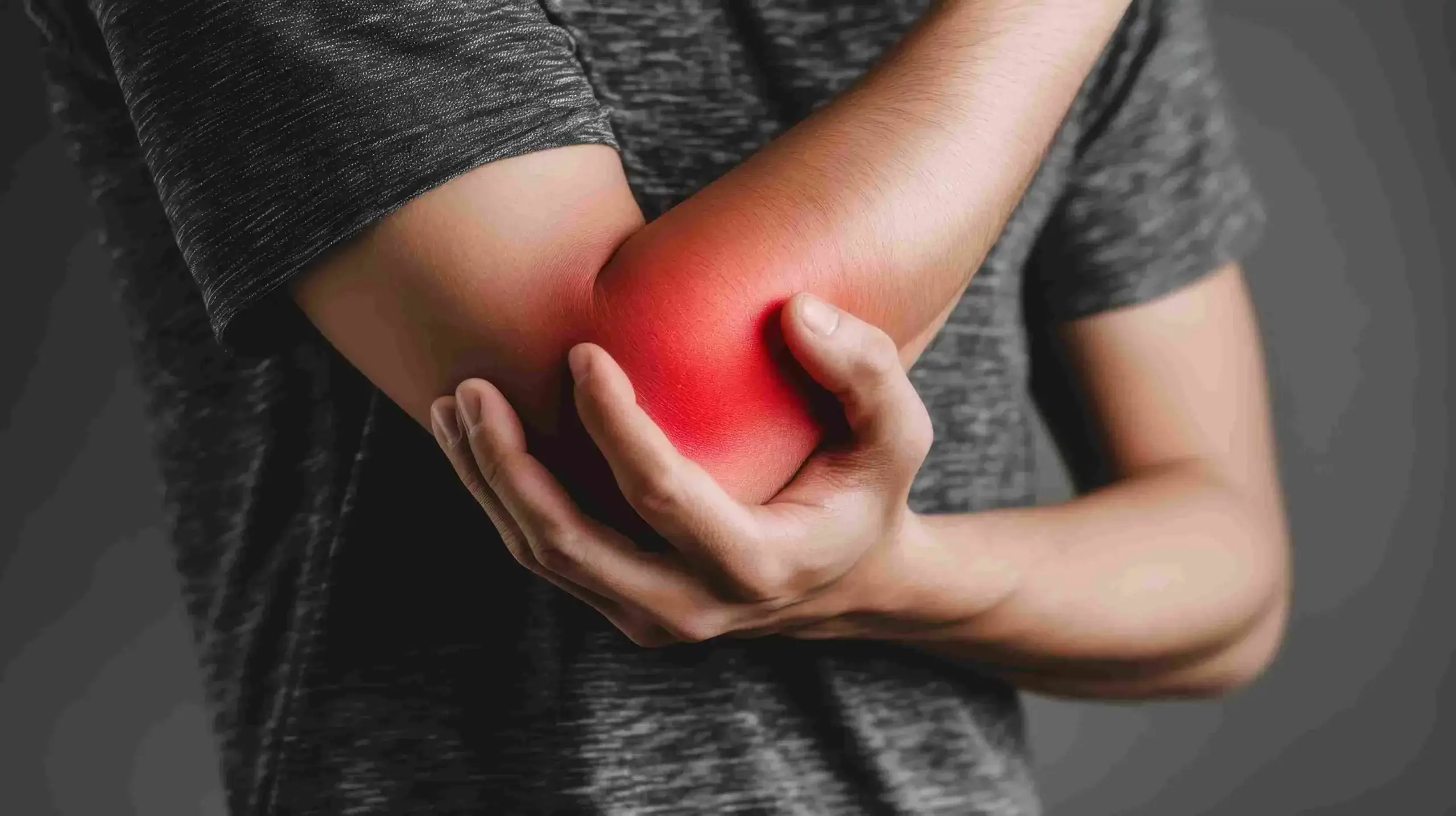
Table of Contents
A Comprehensive Guide to Cubital Tunnel Syndrome | Numbness and Tingling in Your Little Finger and Ring Finger? Your Hand Might Be Crying Out for Help
Have you ever experienced numbness or a prickling sensation in your little finger or ring finger, or even felt your hand growing weaker and your movements becoming clumsier?
Many people assume it’s just a temporary pinched nerve, but if symptoms recur or begin to affect your grip and fine motor skills, you should take special note—this is likely cubital tunnel syndrome. Cubital
tunnel syndrome is the second most common peripheral nerve compression disorder, following carpal tunnel syndrome. If left untreated, it can lead to muscle atrophy and permanent nerve damage.
What is cubital tunnel syndrome?
Cubital Tunnel Syndrome refers to damage to the ulnar nerve caused by compression or repeated stretching as it passes through the "cubital tunnel" on the inner side of the elbow. The ulnar
nerve is primarily responsible for:
- sensation in the little finger and ring finger
- Fine motor skills of the hand
- Muscle strength on the palm side of the hand
When compressed, symptoms such as numbness, tingling, weakness, and even muscle atrophy may occur.
Common Causes of Cubital Tunnel Syndrome
1. Keeping your elbows bent for long periods of time
- Talking on the phone, scrolling on a smartphone
- Sleeping with elbows bent and pressed against a pillow or under the body
- Prolonged computer use or reading
👉 Bending the elbow stretches the ulnar nerve and increases pressure within the tunnel
2. Direct impact or trauma
- Repeated impacts to the inner side of the elbow (commonly known as the “nerve”)
- Falls or injuries causing nerve damage
3. Degenerative changes in bones or joints
- Deformity following a fracture or dislocation
- Osteoarthritis, bone spurs
👉 Causes the elbow tunnel to narrow
4. Soft tissue proliferation
- Synovitis, cysts, ligament thickening
👉 Direct compression of the ulnar nerve
5. Repetitive elbow movements
- Manual labor, specific sports
- Prolonged bending, straightening, or forceful support of the elbow
Typical symptoms of cubital tunnel syndrome
- Numbness and tingling in the little finger and ring finger (the most common symptom)
- Burning or tingling sensation
- Decreased grip strength; difficulty using chopsticks or buttoning clothes
- Weakness in the forearm and the inner side of the palm
- Muscle atrophy (thenar and interosseous muscles)
- In severe cases, "claw hand" deformity may occur
- In some cases, accompanied by pain on the inner side of the elbow
⚠️ If muscle atrophy is already present, it indicates prolonged nerve compression; early intervention is necessary.
Who is at risk for cubital tunnel syndrome?
- People who keep their elbows bent for long
periods of time, such as smartphone users, computer users, students, and office workers - Specific occupations:
housewives, hairdressers, assembly line workers - Athletes: baseball
pitchers, weightlifters - People with habitual movements: those who sleep with their elbows pressed
against the bed or have poor posture - Individuals with a history of elbow injuries

How to Prevent Cubital Tunnel Syndrome and Practice Daily Care?
- Avoid resting your elbows directly on hard surfaces; use a soft cushion or brace instead
- When using a computer, keep your elbows naturally straight or slightly bent (30–45 degrees)
- Use a headset instead of holding the phone for long periods
- Stand up and move around every 30–60 minutes, and stretch your arms
- Strengthen the muscles in your forearms and hands (under the guidance of a physical therapist)
- Adjust your sleeping position to avoid putting pressure on your elbows
- Maintain a healthy weight to reduce strain on joints and nerves
Common Treatments for Cubital Tunnel Syndrome
Treatment will be carried out gradually, depending on the degree of nerve compression. I
. Non-surgical conservative treatment
- Postural Adjustment and Rest: Avoid bending and compression
- Physical Therapy:
Nerve gliding exercises, stretching, and muscle strengthening - Therapeutic Modalities: Heat therapy, ultrasound
- Medication: NSAIDs, muscle relaxants
- Night splints/elbow braces: To prevent elbow flexion during sleep
II. Injections and Prolotherapy
- Steroid injections: Short-term anti-inflammatory and pain relief (not recommended for frequent use)
- PRP/Amniotic Growth Factor Injections: Utilize high-concentration growth factors to promote nerve repair and reduce chronic inflammation; suitable for patients who have not responded well to conservative treatment
III. Surgical Treatment (When Necessary)
Indicated when:
- Significant muscle atrophy
- Severe weakness
- When long-term conservative treatment is ineffective
The following may be considered:
- Ulnar nerve decompression (in-situ decompression)
- Ulnar nerve anterior transposition (to avoid traction during flexion)
In conclusion
, carpal tunnel syndrome is no minor issue. Numbness, tingling, and weakness are all signs that your nerves are crying out for help; the earlier it’s diagnosed, the better your chances of avoiding permanent damage. 👉 If you experience recurring numbness in your little finger and ring finger, we recommend getting evaluated as soon as possible to preserve your hand function.
Frequently Asked Questions About Cubital Tunnel Syndrome
Will cubital tunnel syndrome heal on its own?
Mild cases may be relieved by improving posture and resting, but those with long-term compression usually require medical intervention.
My little finger is numb. Is it too late to get it treated?
In most cases, it remains effective, and the earlier the treatment, the better the recovery.
Is surgery absolutely necessary?
Not necessarily; in most cases, conservative or proliferative therapies can be tried first.
Is PRP (amniotic growth factor) really effective?
It can help with chronic nerve compression and repair, but requires professional evaluation.
How can I prevent my phone from getting worse from using it so much?
Avoid prolonged bending, using headphones, and stretching regularly.
Do I need imaging tests?
If symptoms persist, an ultrasound or nerve conduction study is recommended.
Is the body completely healed after surgery?
Most cases can be improved, but rehabilitation and posture adjustments are still needed.
What will happen if this drags on?
It may lead to irreversible muscle atrophy and nerve damage.
Related Articles
orthopedics Orthopedic pain Ankle and sole Text description, text description, text description, text description Please enter a title here Table of Contents Does your heel hurt when you take your first steps in the morning? Watch out for plantar fasciitis: Everything you need to know about the caus
orthopedics Orthopedic pain knee Table of Contents What Is Osteoarthritis? Don’t Put Up With Joint Pain, Stiffness, and Cracking Any Longer: A Comprehensive Guide to Causes, Symptoms, Diagnosis, and Treatment If you experience joint pain during physical activity, stiffness after sitting for long periods, difficulty climbing stairs, joint crepitus, or even find yourself reluctant to move due to pain, these symptoms aren’t necessarily just due to the weather or aging. Clinically, these symptoms are highly consistent with osteoarthritis (OA).Osteoarthritis is not simply “inflammation,” but a continuous process of structural degeneration:
orthopedics Orthopedic pain Lower back pain, back pain Please enter a title here Table of Contents Numb Hands, Neck Pain, and Dizziness? A Comprehensive Guide to Causes, Symptoms, Treatment, and Prevention! Due to prolonged use of smartphones and computers, combined with poor posture and a sedentary
orthopedics Orthopedic pain Wrist and fingers Please enter a title here Table of Contents The Ultimate Guide to De Quervain's Tenosynovitis | Symptoms, Causes, and Treatments Explained! The medical term for "mom's hand" is De Quervain's tenosynovitis. It primarily affects th
orthopedics Orthopedic pain knee Text description, text description, text description, text description Please enter a title here Table of Contents Ignoring Meniscus Injuries May Lead to Degenerative Arthritis Over Time | A Comprehensive Analysis of Acute Meniscus Sprains and Degenerative Wear and T
orthopedics Orthopedic pain Wrist and fingers Please enter a title here Table of Contents Does your wrist hurt when you twist it toward your little finger? It might not be a sprain—it could be your triangular fibrocartilage complex crying out for help! The triangular fibrocartilage complex (TFCC) i
