
Orthopedic Pain
Shoulder & Shoulder Joint
orthopedics
Orthopedic pain
Shoulder joint
Tear of the labrum of the shoulder joint
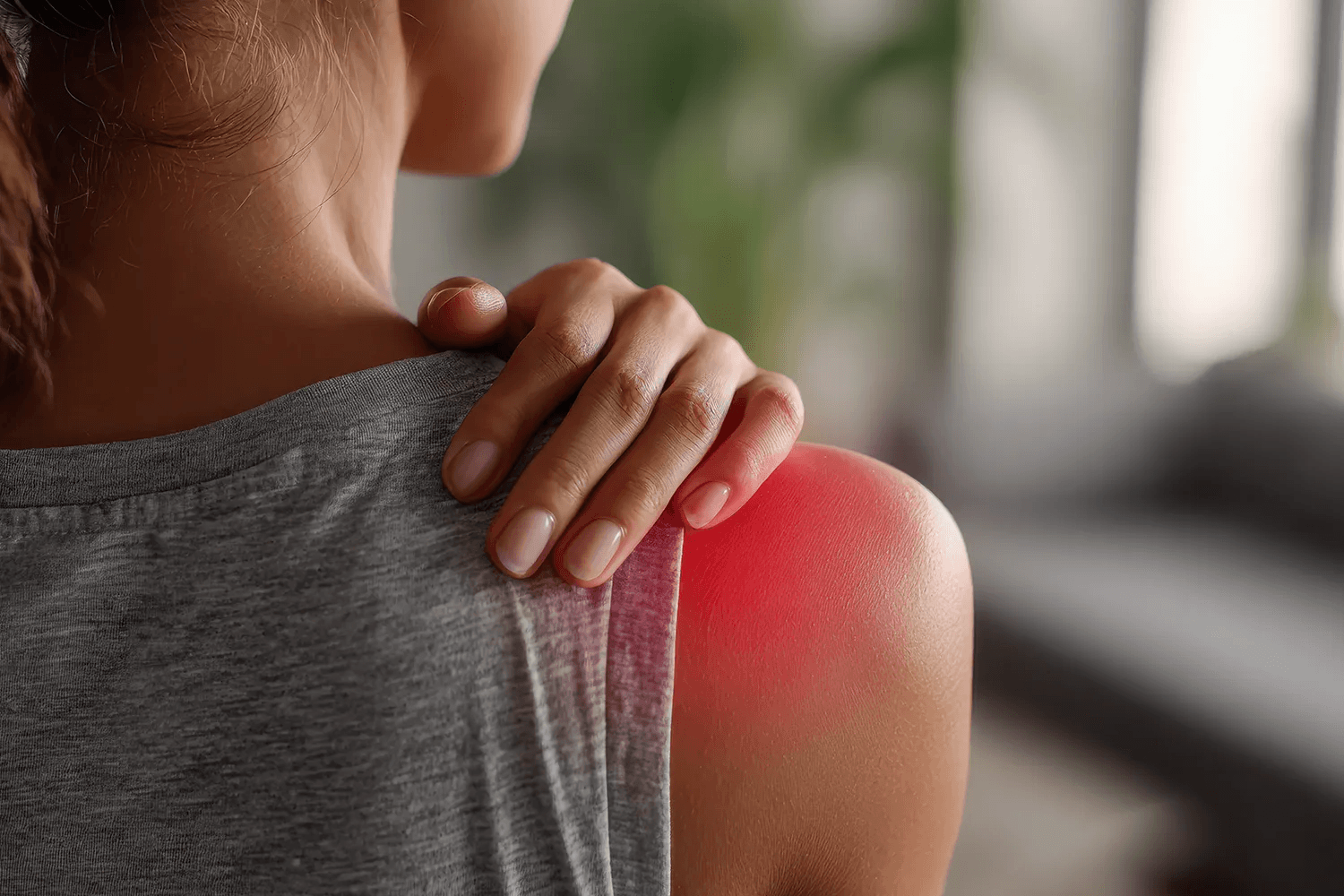
Table of Contents
Is your shoulder pain not due to frozen shoulder? You might have a torn shoulder labrum!
Major League Baseball star Shohei Ohtani lunged forward while attempting to steal a base, resulting in a severe shoulder injury. He ultimately underwent arthroscopic shoulder surgery and was diagnosed with a "torn labrum."This type of shoulder injury is not exclusive to professional athletes. In fact, common daily activities such as lifting heavy objects, falling and bracing yourself with your hands, or reaching overhead can also cause you to unknowingly injure the "labrum" structure of the shoulder joint.
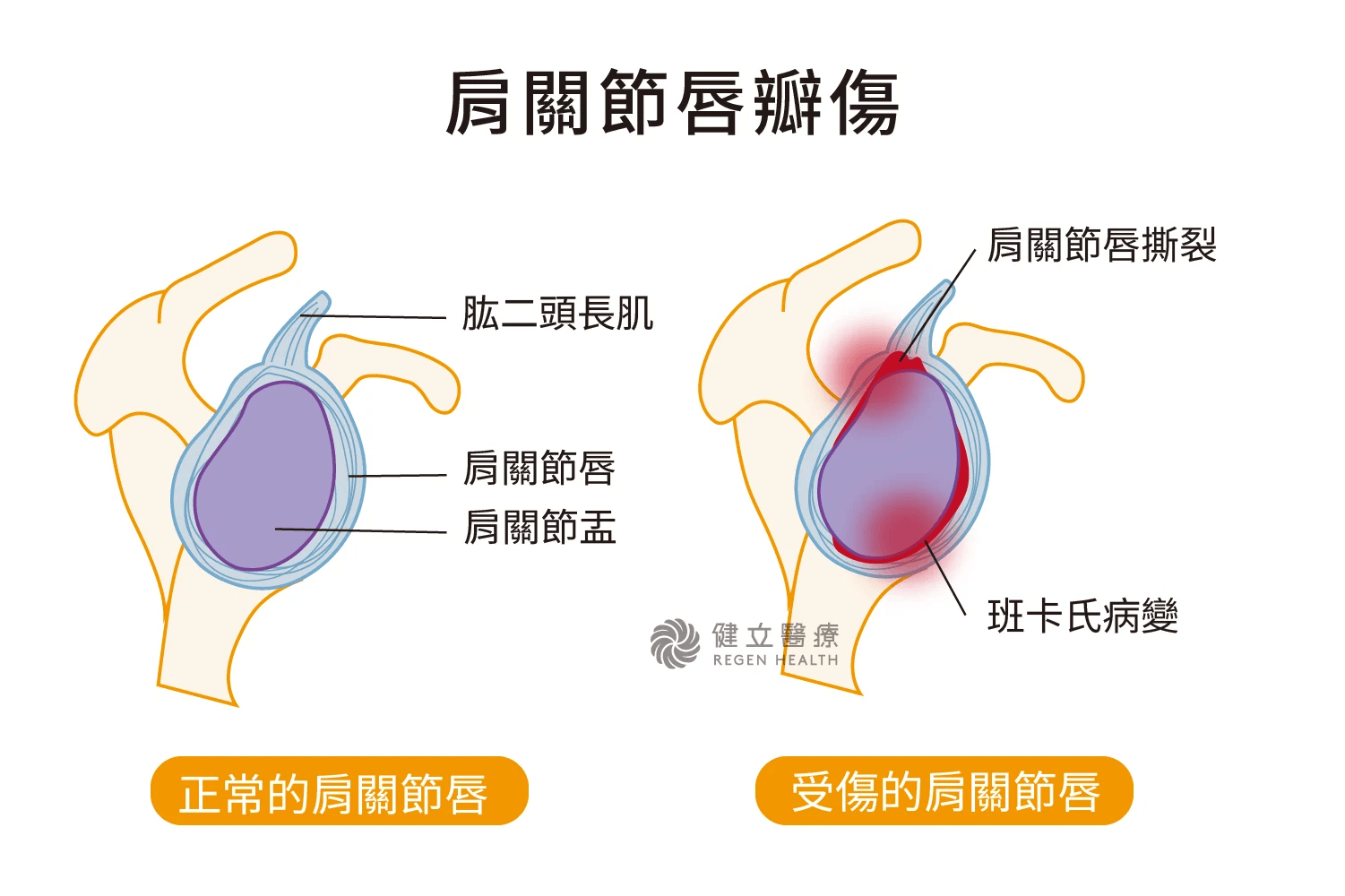
What is the labrum of the shoulder joint?
Do you often experience a dull ache in your shoulder, find it difficult to raise your arm, or even wake up at night because of pain when your shoulder is pressed? These symptoms aren’t necessarily just due to a strain or degenerative changes—they could very well be caused by a “torn shoulder labrum.” This condition doesn’t only affect athletes; it can also occur in everyday life for the general population!The shoulder joint is one of the most flexible—yet also one of the most injury-prone—joints in the body. It is formed by the head of the upper arm bone (humerus) and the glenoid cavity of the shoulder blade. The glenoid cavity itself is relatively shallow and is surrounded by a ring of cartilage known as the “labrum.”
The three main functions of the labrum:
- Increasing shoulder joint stability
- Providing attachment points for tendons and ligaments
- Absorbing impact and shear forces from daily activities or sports
When the labrum is damaged due to pulling, a fall, degeneration, or long-term wear and tear, a "tear" occurs.
Common Causes of Shoulder Labral Tears
- Overhead movements: repetitive arm-raising motions such as throwing, swimming, badminton, and weightlifting
- Falling and bracing with the arm, or impact from an external force
- History of shoulder dislocation
- Chronic wear and tear caused by poor posture or degenerative changes in the shoulder joint
Types | Characteristics |
Bankart lesion | Commonly occurs after an anterior shoulder dislocation, resulting in an anterior-inferior tear of the labrum, which can lead to recurrent instability. |
SLAP lesion (Superior-anterior-posterior tear) | Common in athletes who participate in throwing sports, this occurs at the superior margin of the labrum, with a tear extending from front to back, affecting shoulder stability and movement coordination. |
Posterior-inferior tear | Less common, typically resulting from posterior impact or high-load activities (such as weightlifting), causing damage to the posterior aspect of the labrum. |
Degenerative tear | Common in older adults or those with long-term overuse, these tears result from chronic wear and tear and may be accompanied by other degenerative changes in the shoulder. |
Typical symptoms of a shoulder labral tear
- A deep, dull ache in the shoulder (not superficial muscle soreness)
- A "clicking" sound when raising, rotating, or throwing
- Shoulder feels easily locked, unstable, or weak
- Pain worsens when sleeping on your side and pressure is applied to the shoulder
- Significant decrease in mobility, affecting daily activities such as dressing, washing hair, and lifting heavy objects
Populations Prone to Shoulder Labral Tears
- Athletes (especially those who play baseball, badminton, or swim, as well as fitness enthusiasts)
- Workers who repeatedly lift heavy objects or raise their arms
- Individuals with a history of shoulder injuries or dislocations
- Older adults (those with degenerative joint conditions)
- People who use computers for long periods or have poor shoulder and neck posture
How can I prevent and care for my shoulder labrum on a daily basis?
✅ Maintain shoulder stability and train the rotator cuff muscles: e.g., shoulder external rotation and rowing
exercises✅ Adjust your posture when using a computer: avoid leaning your shoulders forward
too much✅ Take appropriate breaks and apply heat to relax your
shoulder muscles✅ Warm up thoroughly before exercising to avoid sudden, explosive movements✅
Avoid sudden exertion with heavy objects, such as lifting heavy items or making quick, forceful pulls
Diagnostic Methods for Shoulder Labral Tears
- Clinical examination: Assessed by a physician through physical examination (e.g., O’Brien test, Crank test).
- Imaging studies:
- Ultrasound: Provides an initial assessment of the rotator cuff tendons, bursa, and labrum of the shoulder joint.
- MRI or MR Arthrography: Provides clear visualization of the extent and type of labral tear.
- Arthroscopy: Used in more severe cases to confirm the diagnosis and perform repair.
Treatment Protocol for Shoulder Labral Tears
Step 1: Precise ultrasound assessment → Determine the extent of the tear and any associated lesions
Step 2: Select Injection Protocol → PRF or PRP
Step 3: Ultrasound-guided precise injection → Ensuring the solution is injected into the correct layer
Step 4: Rest and light activity → Improvement in pain during movement within approximately 3–5 days
Step 5: Rehabilitation, Strengthening, and Follow-up → Additional injections or training as needed
Shoulder Labral Tear – Treatment Specialties at Jianli Clinic
In the past, this type of shoulder labrum tear was often considered to require surgical repair. However, for partial tears or chronic degenerative tears, Jianli Clinic offers a non-surgical treatment plan centered on “ultrasound-guided + regenerative injection therapy,” emphasizing four key principles: precision, repair, safety, and long-lasting results.
✅ 1. Ultrasound-guided positioning
Real-time imaging guidance allows for clear identification of the affected area (labium, bursa, rotator cuff, and ligament attachment sites), ensuring the needle tip and injection site are correctly positioned, thereby significantly enhancing safety and efficacy.
✅ 2. Regenerative Therapy (Prolotherapy / PRP Injection)
Utilizes autologous high-concentration platelet-rich plasma to stimulate a healing response, promoting collagen regeneration, enhancing shoulder joint stability, and alleviating pain and recurrent inflammation.
✅ 3. PRF Regenerative Therapy (selected based on condition)
This treatment uses a platelet-rich concentrate derived from the patient’s own blood, which contains fibrin and is rich in growth factors. It effectively activates platelets to accelerate the regeneration and repair of the labrum and ligaments.
✅ 4. SIS Super Magnetic Field Therapy Combined with Stabilization Rehabilitation Training
SIS super-magnetic field therapy, combined with physical therapy and rotator cuff muscle training, helps stabilize the shoulder and reduce the recurrence rate.
If you experience any of the following symptoms, we recommend seeking an examination as soon as possible:
- Deep shoulder pain lasting more than two weeks
- A "clicking" sound or weakness when raising your arm or throwing
- Sharp or dull pain when your shoulder is compressed while sleeping
Early treatment with ultrasound-guided injections can shorten recovery time and avoid the risks associated with surgery.
📍The Shoulder Joint Treatment Team at Jianli Clinic reminds you:
We combine image-guided procedures, regenerative medicine, and rehabilitation training to help you progress from pain relief to stability, and regain strength and flexibility in your shoulder.
Frequently Asked Questions About Shoulder Labral Tears
What is the difference between a labral tear of the shoulder joint and frozen shoulder?
Frozen shoulder is mainly caused by adhesions of the joint capsule, resulting in limited range of motion; while lip lacerations tend to involve damage to deeper structures, characterized by locking, clicking sounds, and instability.
Can an X-ray show a torn lip?
No. X-rays mainly show bone; the lip is cartilage tissue, requiring MRI or MR arthrography for clear observation.
Does a tear in the shoulder labrum require immediate surgery?
Most mild to moderate tears can be improved with non-surgical conservative treatment, unless it is a severe tear or recurrent instability.
Can a torn lip heal on its own?
Minor injuries can be improved with rehabilitation, but continued activity will worsen the wound.
When is surgery absolutely necessary for a tear in the shoulder joint labrum?
For example, those with recurrent shoulder dislocations, extensive tears causing significant instability, and whose condition cannot be improved through rehabilitation and injections.
Will a tear in the shoulder labrum affect daily work?
Depending on the severity, some patients may experience difficulties with actions such as raising their hands or using tools, requiring early diagnosis and intervention.
Can a tear in the shoulder labrum be completely healed with just one treatment?
For mild lip tears, some patients experience significant improvement after a single PRP or PRF injection.
However, for chronic injuries, degenerative tears, or structural instability, it is recommended to undergo 2-3 stages of injection therapy, combined with rehabilitation training, to achieve complete repair and functional recovery.
Will the injection treatment be very painful?
No. The treatment is performed under local anesthesia and ultrasound guidance, allowing the doctor to precisely avoid nerves and sensitive tissues. Most people only experience brief, mild soreness or tingling sensations, which subside within 1-2 days after the procedure.
How long will it take to resume daily activities and exercise?
Light activities, such as daily life, office work, and simple stretching, can be resumed approximately 3–5 days after treatment. Shoulder training can be gradually introduced starting from the first week, and a full range of exercise or work requirements can be safely resumed around the 3rd–4th week, subject to assessment and adjustment by a physician and therapist based on individual circumstances.
Is there a risk of recurrence in shoulder labral tears?
If shoulder stability and muscle strength are not strengthened, there is still a risk of recurrence. It is recommended to continue training and posture adjustment.
Related Articles
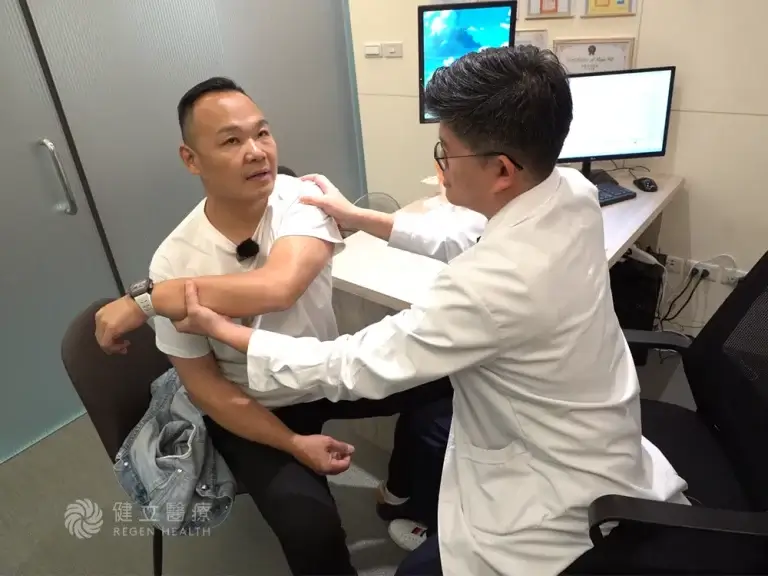
CASE Testimonials Mr. Xie, the owner of Hongda International, has maintained a regular fitness routine for many years, yet he has been plagued by a five-year-old shoulder injury that prevented him from raising his arm smoothly and even caused him to wake up in pain when turning over in bed at night.

orthopedics Orthopedic pain Shoulder joint Text description, text description, text description, text description Please enter a title here Table of Contents Can't lift your shoulder high, and the pain gets worse the more you use it? Be careful—it might be a rotator cuff tear warning you that i
