
Pain and Anesthesia
Nerve Block Injection
Pain and Anesthesia
Nerve Block Injection
Erector Spinae Pain Block Procedure
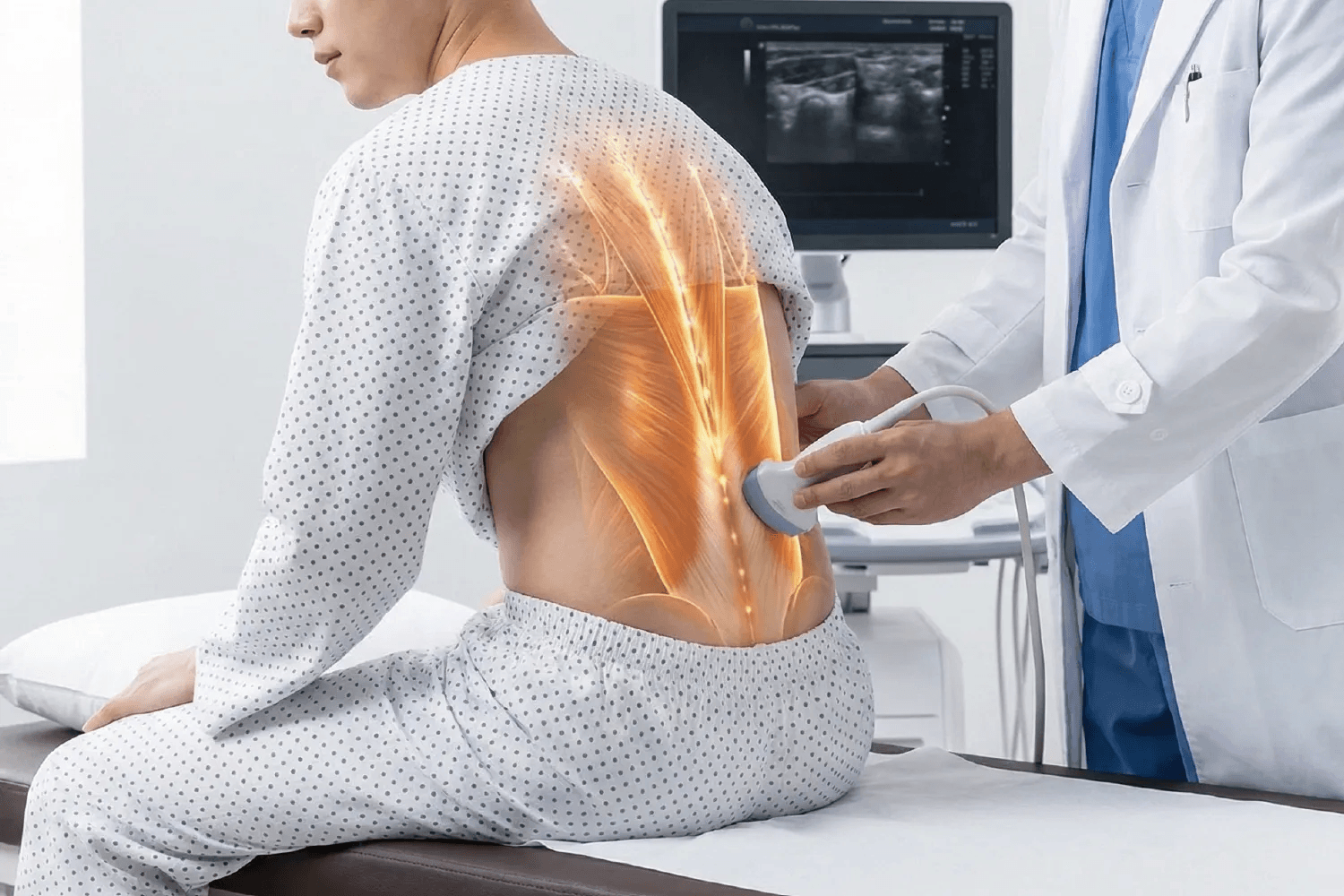
Table of Contents
Erector Spinae Plane Block | Precise Pain Relief: A Safe and Effective Neuro modulatory Treatment
The Erector Spinae Plane Block (ESP Block) is a precise, ultrasound-guided pain relief injection that effectively alleviates back pain, postoperative pain, and postherpetic neuralgia. At Jianli Clinic, this procedure is performed by a team of specialists in both orthopedics and anesthesiology, ensuring safety, speed, and a short recovery time. It is particularly suitable for patients with chronic pain and those who cannot discontinue anticoagulant medication.
What is a erector spinae plane block?
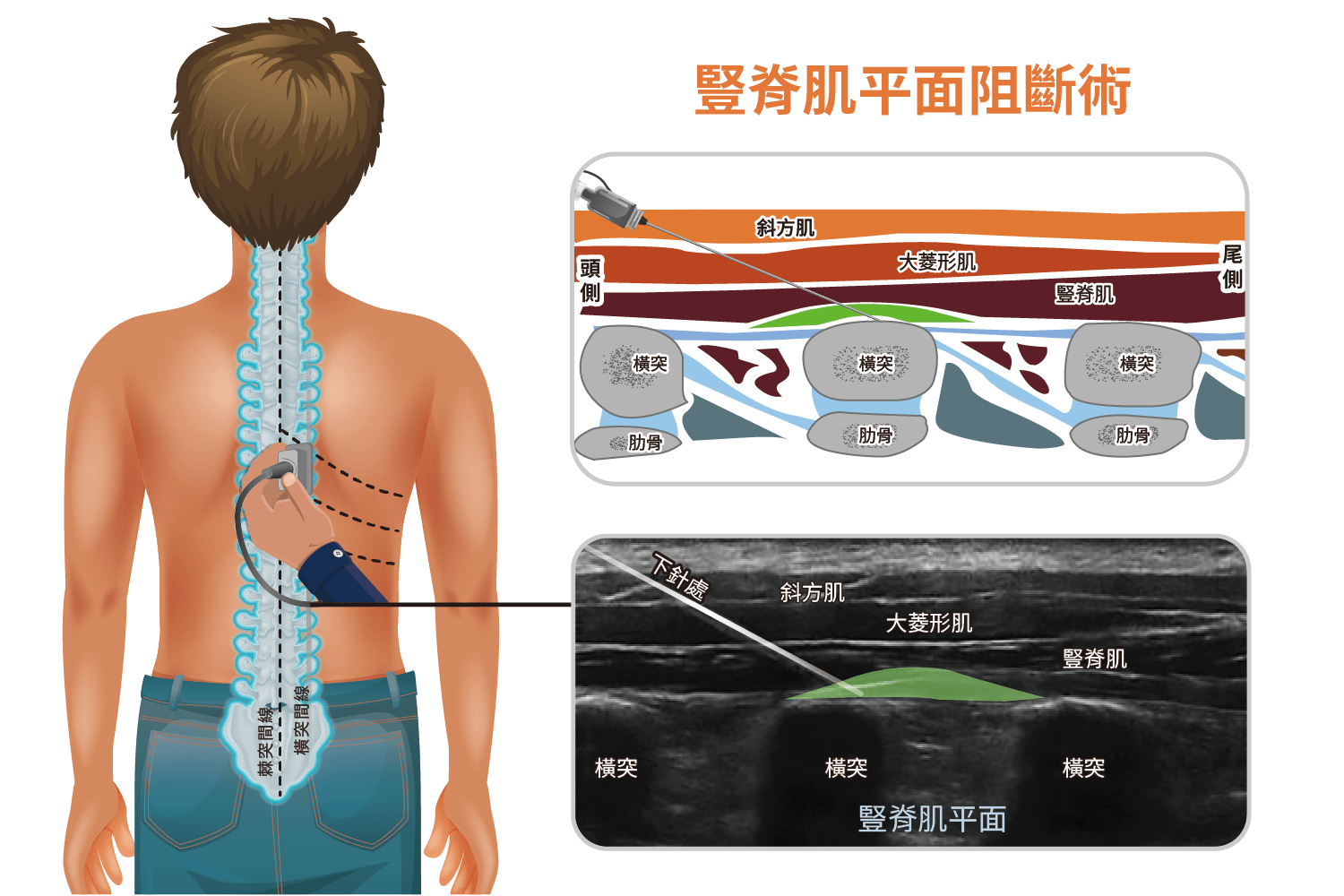
The erector spinae plane block (ESP Block) is a precise pain-relief injection performed under ultrasound guidance. The physician
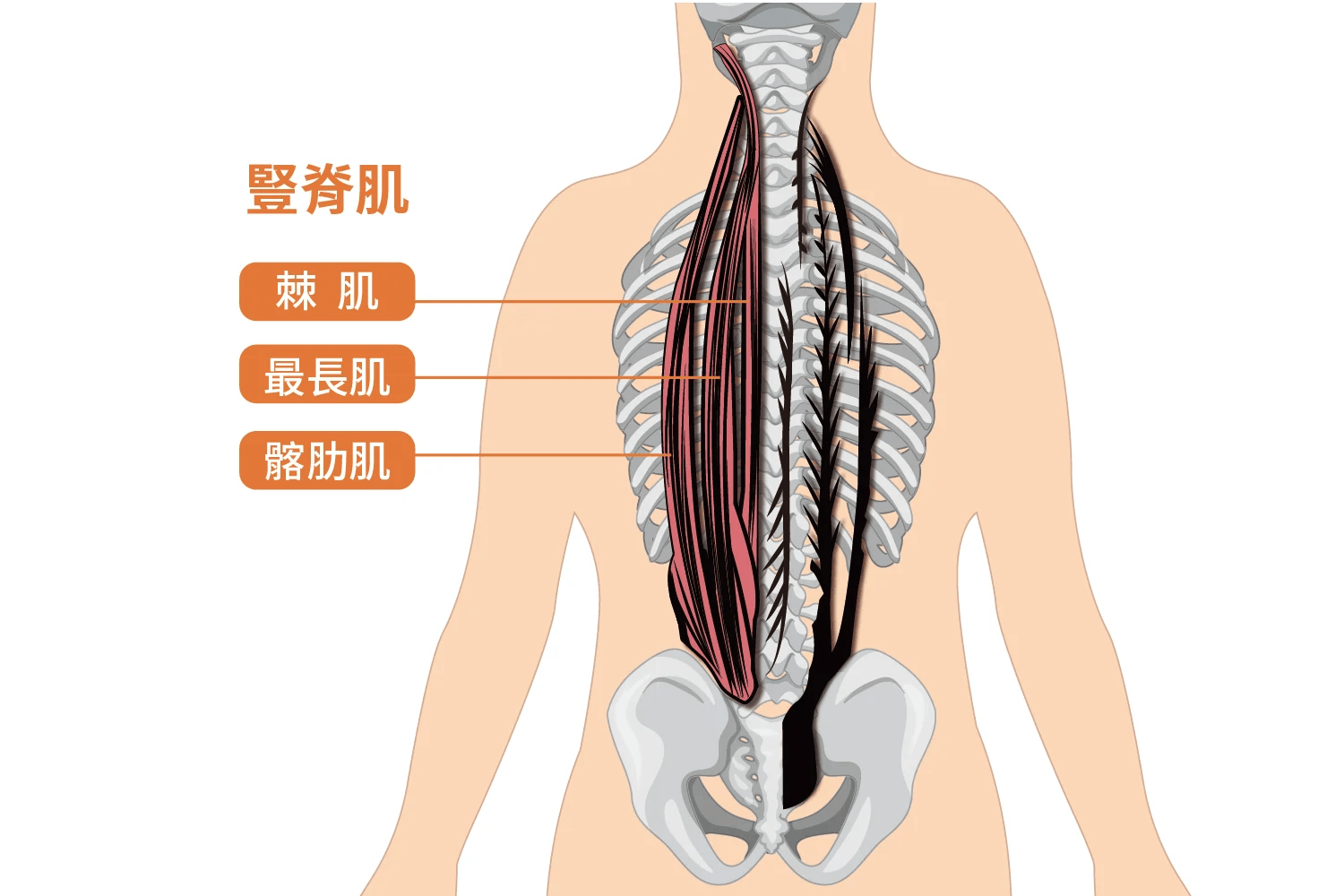
injects a local anesthetic, sometimes combined with a small amount of steroid, into the fascial plane located “deep within the erector spinae muscles, above the vertebral transverse processes.”This plane acts like a "highway for nerve transmission," allowing the medication to diffuse widely through the fascial spaces, thereby reducing nerve inflammation and pain transmission. Unlike traditional epidural injections, the ESP Block is administered at a more superficial level, away from the spinal cord and major blood vessels, making it safer.
Who is a good candidate for an erector spinae plane block (ESP block)?
Epicondylar nerve block is effective in relieving the following types of pain:
- Postoperative pain following thoracic or abdominal surgery
- Chest pain caused by rib fractures
- Pain from shingles and postherpetic neuralgia
- Chronic back pain (e.g., spondyloarthritis, myofascial pain)
- Cancer-related thoracic and abdominal neuropathic pain
- Chronic pain following certain lumbar spine surgeries
For patients with coagulation disorders, those taking anticoagulant medications, or those who cannot undergo epidural injections, the ESP Block is an excellent alternative.
Typical symptoms
- Localized stabbing pain, dull pain, or a tingling sensation in the chest, back, or lower back
- Pain worsens with coughing, deep breathing, or turning over (rib or intercostal pain is common)
- Limited mobility after surgery; nighttime pain affecting sleep
Features and Benefits of the Erector Spinae Plane Block
- Wide coverage: The procedure can address the thoracic to lumbar spine in a single session, making it beneficial for multi-segmental pain. It is performed away from the spinal canal and major blood vessels, resulting in relatively low risk.
- Reduced need for analgesics: May lower the postoperative requirement for opioid and oral analgesics, with fewer side effects such as nausea and drowsiness.
- Coagulation-friendly: For patients unsuitable for epidural anesthesia, ESP is often an alternative.
- Immediate results: Ultrasound allows real-time visualization of the needle tip and the spread of the anesthetic, ensuring precise placement.
Possible Side Effects and Risks of the Erector Spinae Plane Block
- Common: tenderness at the injection site, transient dizziness, or hypotension.
- Rare: Pneumothorax, infection, local anesthetic toxicity (due to excessive dosage or accidental intravascular injection).
- Variability in efficacy: Due to individual differences, pain relief may be limited if the solution does not spread adequately.
- Duration: Typically lasts from a few hours to several days; when combined with corticosteroids, effects may last 1–2 weeks. Chronic pain often requires a combination of physical therapy and oral medications.
Differences Between Epidural Injection and Spinal Muscle Plane Block
Procedure | Epidural Injection (Epidural Steroid Injection, ESI) | Erector Spinae Plane Block (Erector Spinae Plane Block, ESP Block) |
|---|---|---|
Primary Site of Action | Around the nerve roots near the spinal canal (epidural space). | The myofascial layer adjacent to the spine (erector spinae plane). |
Common Indications | Herniated disc, sciatica, spinal stenosis, and radiating pain caused by nerve root compression. | Post-thoracolumbar surgery pain, rib fractures, back pain, postherpetic neuralgia, chronic low back pain. |
Procedure | Under X-ray or ultrasound guidance, the needle tip is placed in the epidural space. | Using ultrasound guidance, the needle is advanced into the deep fascial plane of the erector spinae muscles. |
Pain Relief Area | Can cover the distribution area of a single or multiple spinal nerve segments. | The analgesic effect is extensive and can cover multiple thoracic or lumbar spinal nerves. |
Drug composition | Steroids + local anesthetics. | Local anesthetic (sometimes combined with analgesics or PRP). |
Does it enter the spinal canal? | Yes (near the epidural space of the spinal canal). | No (located lateral to the musculofascial plane; classified as a "plane block"). |
Main advantages | Directly acts on the nerve roots, providing rapid relief from radiating neuralgia. | Highly non-invasive, few complications, relatively safe procedure, and long-lasting pain control. |
Common side effects or risks | Temporary numbness in the lower limbs, headache, drop in blood pressure, infection (rare). | Localized soreness or swelling, temporary muscle weakness; serious complications are extremely rare. |
Recovery time | The procedure is typically completed within 30 minutes, and patients can go home the same day. | Takes about 20–30 minutes to complete; there is virtually no recovery time, and you can resume normal activities immediately. |
Suitable for | Nerve compression-related pain (e.g., sciatica). | Individuals with chronic myofascial or paraspinal pain. |
Frequently Asked Questions About the Erector Spinae Plane Block
ESP Block sounds very technical, but what is it simply?
You can think of it as a “nerve circuit breaker” for body pain. Doctors use ultrasound to precisely locate the deep fascia layer next to the spine and inject medication into this “nerve conduction highway.” The medication spreads widely along the fascia, like a “pain-relieving rain” falling on the painful area, blocking pain signals in multiple segments.
Will this injection reach the spinal cord? Is it safe?
Rest assured, it will not enter the spinal canal. This is the biggest advantage of ESP Block! It is injected into the deep plane of the erector spinae muscles, far from the spinal cord and major blood vessels, making it a highly precise, non-invasive injection. Compared to traditional epidural injections, the risk of complications is extremely low, and safety is significantly improved.
Will it be very painful during the procedure? Is general anesthesia required?
General anesthesia is not required. The procedure is similar to a regular injection, with the doctor administering local anesthesia first. Because the entire treatment is guided by ultrasound, the doctor can see the needle tip in real time and avoid important tissues, so the process usually only causes a slight soreness and takes about 20–30 minutes to complete.
I am currently taking anticoagulants (blood purification drugs). Can I still undergo this treatment?
This is precisely where ESP Block excels! For patients taking anticoagulants who are not suitable for deep epidural injections, ESP Block is currently recognized in medicine as a very safe and ideal alternative because of its superficial injection site and distance from major blood vessels.
How long does it take for the injection to take effect? How long does the pain relief last?
* Immediate Effects: Approximately 15-30 minutes after injection, the local anesthetic takes effect, and you will feel significant relief.
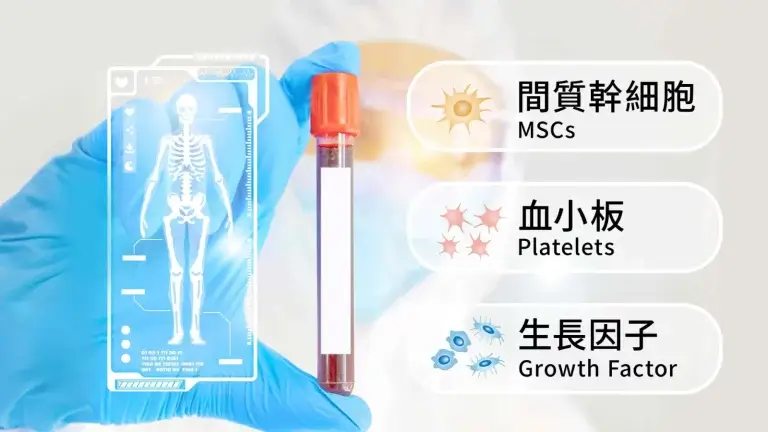
Duration: The duration of the effect varies from person to person. Local anesthesia alone lasts from several hours to several days; if combined with steroids or regenerative medicine therapies (such as PRP), the pain relief and repair effects can be extended to 1-2 weeks or even longer.
Can I resume normal activities immediately after treatment? Do I need someone to accompany me?
After treatment, observe for 15–30 minutes. If there is no dizziness or discomfort, you can go home. Although most patients can move immediately, some patients may experience temporary muscle weakness. It is recommended to avoid strenuous exercise or long-distance driving on the same day.
Is the neuralgia treatment for shingles (herpes zoster) really effective?
Highly effective. Postherpetic neuralgia often causes patients to experience excruciating pain, like electric shocks or burning. ESP Block can cover a large area of the affected ganglia, effectively reducing nerve inflammation and abnormal discharges. Many patients have experienced significant improvements in sleep quality and daily life after receiving ESP Block.
If I have sciatica, should I choose this or epidural injection (ESI)?
This depends on the specific “pain point.”
Epileptic injection (ESI): More direct for precise nerve root compression (such as radiating pain in the leg caused by a herniated disc).
ESP block: More advantageous for large-area back pain, intercostal pain, and postoperative recovery. It is recommended that you have an evaluation by a dual-specialist team at Jianli Clinic to develop the most precise repair plan.
**This website is intended to provide information on new medical developments and health education. Any discrepancies between the terms used in this content and those in the package insert (including descriptions of uses not covered by the approved indications or colloquial terms) are provided solely for the public’s understanding and reference; the official names of treatments and devices, as well as their effects, are subject to the physician’s personal explanation.
Related Articles
Regenerative Medicine Integrative Medicine Regenerative Therapy Please enter a title here Table of Contents Turning On the Body’s Repair Switch: How Does BMAC (Autologous High-Concentration Bone Marrow Concentrate) Reshape the Joint Microenvironment? Have you ever wondered why, even after multiple

Regenerative Medicine Integrative Medicine Regenerative Therapy Please enter a title here Table of Contents Unlocking the Joints’ Natural Healing Power: PRP Regenerative Therapy and a Holistic Anti-Aging Care Plan PRP (Platelet-Rich Plasma) is one of the core technologies in modern regenerative med

Regenerative Medicine Integrative Medicine Regenerative Therapy Please enter a title here Table of Contents All-Natural Tissue Regeneration | A Guide to the Sustained-Release Effects of PRF and Joint Self-Healing PRF (Platelet-Rich Fibrin) is a cutting-edge therapy in modern regenerative medicine. B

Regenerative Medicine Integrative Medicine instrument Please enter a title here Table of Contents MCS+ Blood Purification | Thorough Vascular Cleansing, Reducing the Risk of High Blood Pressure, High Cholesterol, and High Blood Sugar Why do modern people need blood purification? The high-pressure pa

Regenerative Medicine Integrative Medicine Bit by bit Please enter a title here Table of Contents Vitality Intravenous Drip | High-purity nutritional replenishment, restarting vital circulation, and improving fatigue. Why choose intravenous infusion? To overcome the bottleneck of oral absorption. M
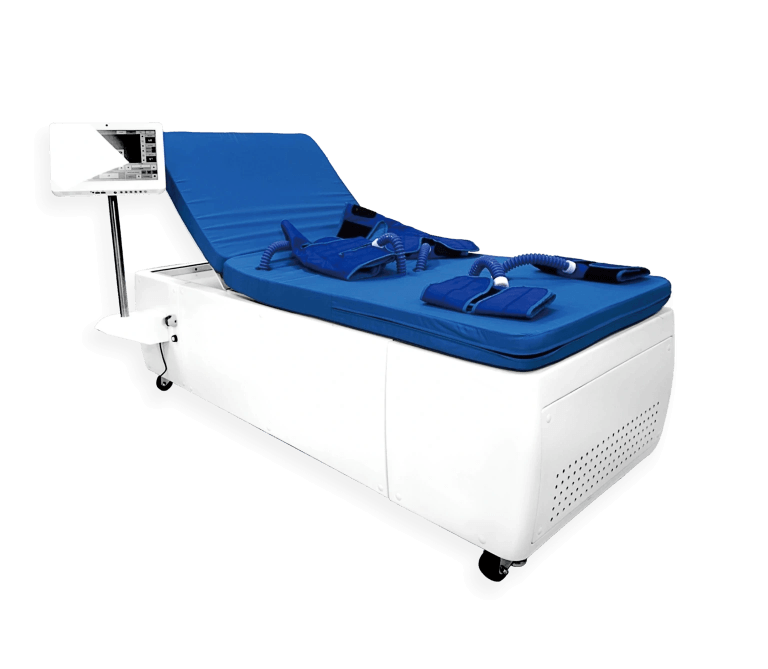
Regenerative Medicine Integrative Medicine instrument Please enter a title here Table of Contents EECP (External Counterpulsation) | Non-surgical, natural vascular bypass therapy to enhance cardiac circulation. What is EECP (Extracorporeal Counterpulsation)? (Non-invasive Circulation Optimization)
