
Pain and Anesthesia
Various Anesthesia
Pain and Anesthesia
Various Anesthesia
Regional Anesthesia

Table of Contents
Understanding "Regional Anesthesia": A Powerful Tool for Pain Relief During Lower-Body Surgery—Debunking Safety Concerns, Side Effects, and Common Myths
For orthopedic or obstetric/gynecological surgeries, “spinal anesthesia” is a treatment option frequently recommended by doctors. Many patients feel anxious when they hear the term “spinal block,” worrying that it might cause chronic lower back pain. This article will provide an in-depth look at how spinal/regional anesthesia works, its benefits, common risks, and preoperative preparations, helping you make the most informed medical decision.
What is a spinal block?
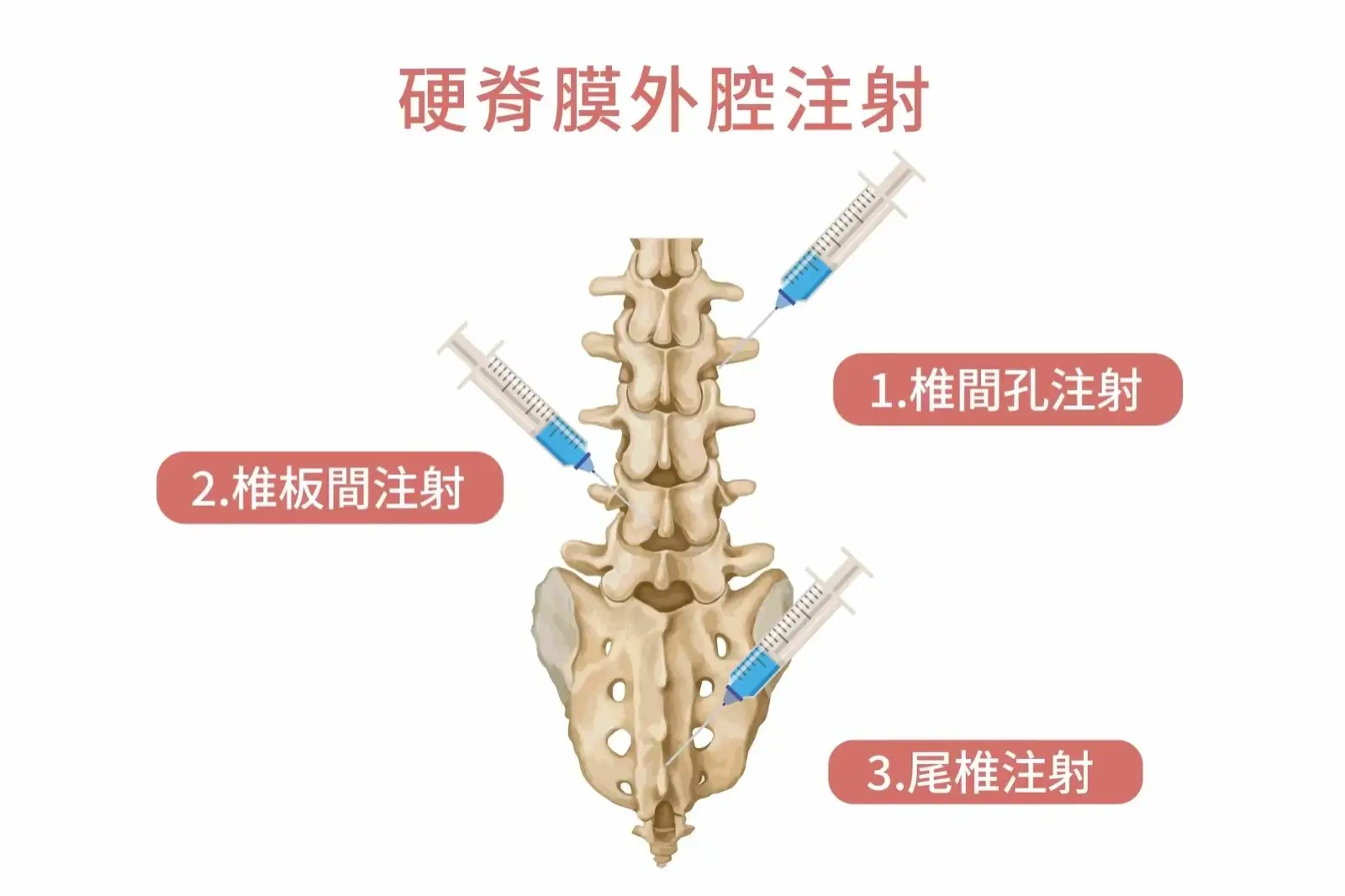
Regional anesthesia (spinal/epidural anesthesia) involves injecting a local anesthetic into the space around the lumbar spine to temporarily block nerve signals to the lower body.
- Scope of anesthesia: Temporarily eliminates sensation and motor function in the lower body, from the abdomen down.
- Level of consciousness: After the procedure, the patient remains fully alert but does not feel pain at the surgical site.
Common Applications of Regional Anesthesia
Regional anesthesia is primarily used for short- to medium-duration surgeries involving the lower body:
- Orthopedic surgery: Knee replacement, hip surgery.
- Obstetrics, Gynecology, and Urology: Cesarean sections, prostate surgery, cystoscopy.
- General surgery: Inguinal hernia repair.
The Benefits and Safety of Regional Anesthesia
Compared to general anesthesia, spinal anesthesia is safer in certain situations.
- Lower burden on the heart and lungs / No need for intubation, resulting in a lower burden on the airways, making it safer for patients with heart or lung conditions.
- Faster postoperative recovery / Reduced metabolic burden from medications, resulting in a lower incidence of postoperative nausea and vomiting.
- Excellent pain relief / Provides superior immediate pain relief for surgeries involving the lower body.
- Can be combined with mild sedation / If you tend to feel anxious during surgery, the anesthesiologist can administer an appropriate amount of sedative medication to help you stay relaxed and comfortable.
Debunking the Myth: Does "Dragon Bone" Massage Really Cause Back Pain?
This is the most common misconception in outpatient settings.
- The truth is: The needle used for spinal anesthesia is much finer than a standard IV needle; it enters the "intervertebral space" rather than piercing the bone.
- Research shows: Spinal anesthesia does not cause chronic lower back pain. The temporary soreness experienced after surgery is mostly related to the surgical position or the patient’s pre-existing degenerative conditions.
Precautions and Dietary Restrictions for Regional Anesthesia
1. Preoperative Preparation
- Strict Fasting: For safety reasons, fasting guidelines must also be followed for regional anesthesia:
- Fatty foods: Fast for 8 hours.
- Light meals (such as white toast): Fast for 6 hours.
- Water: Do not drink for 2 hours.
- Medication Disclosure: Be sure to disclose any chronic medical conditions and medications you are taking, especially anticoagulants, which typically need to be discontinued several days before surgery.
2. Common Postoperative Reactions
- Temporary weakness: You may experience numbness and weakness in your legs for approximately 4–8 hours after surgery; this is a normal side effect of the medication.
- Hypotensive headache: Some younger women may experience this symptom, which can be alleviated by lying down and staying well-hydrated.
Comparison Chart of the Four Most Common Types of Anesthesia
| Type of anesthesia | Will I be asleep? | Will I be put under general anesthesia? | Breathing method | Suitable Procedures |
|---|---|---|---|---|
| Regional Anesthesia | Conscious | No | Low cardiopulmonary burden | Lower-body surgery |
| Sedation | Yes | No | Fastest recovery | Gastrointestinal endoscopy |
| LMA General Anesthesia | Yes | No | Minimal throat irritation | Short-duration surgery |
| General anesthesia with intubation | Yes | Yes | Full safety | Major/long-duration surgery |
Frequently Asked Questions About Regional Anesthesia
Does spinal anesthesia really damage the spine?
No. The anesthetic needle enters the intervertebral space, without touching nerves or bones, and will not cause spinal damage.
What if a person is conscious during surgery and feels scared?
Anesthesiologists will administer sedatives as needed, allowing you to complete the surgery in a relaxed, sleep-like state.
I have high blood pressure and heart disease. Is it safe for me to have spinal anesthesia?
Regional anesthesia has less impact on the cardiopulmonary system and is generally safer for the elderly or those with a history of cardiopulmonary disease, but still requires evaluation by a specialist.
How long does it take for leg numbness to disappear after surgery?
Motor function and sensation usually gradually return 4–8 hours after surgery.
Why is fasting required even for spinal anesthesia?
Fasting is to prevent the risk of aspiration pneumonia caused by vomiting in case an emergency switch to general anesthesia during surgery.
Can I have spinal anesthesia while taking anticoagulants (blood vessel clearing drugs)?
Anticoagulants can increase the risk of spinal hematoma. It is essential to fully inform the patient about any medications used before anesthesia, and the doctor will assess the number of days the medication can be discontinued.
Which is better, spinal anesthesia or intubated general anesthesia?
There is no absolute good or bad; the choice depends on the surgical site, duration, and your physical condition.
If any postoperative issues arise, you should contact medical staff.
If numbness in the lower body persists for more than 8 hours, or if you experience difficulty breathing, persistent vomiting, or confusion, please inform us immediately.
**This website is intended to provide information on new medical developments and health education. Any discrepancies between the terms used in this content and those in the package insert (including descriptions of uses not covered by the approved indications or colloquial terms) are provided solely for the public’s understanding and reference; the official names of treatments and devices, as well as their effects, are subject to the physician’s personal explanation.
Related Articles
Regenerative Medicine Integrative Medicine Regenerative Therapy Please enter a title here Table of Contents Turning On the Body’s Repair Switch: How Does BMAC (Autologous High-Concentration Bone Marrow Concentrate) Reshape the Joint Microenvironment? Have you ever wondered why, even after multiple

Regenerative Medicine Integrative Medicine Regenerative Therapy Please enter a title here Table of Contents Unlocking the Joints’ Natural Healing Power: PRP Regenerative Therapy and a Holistic Anti-Aging Care Plan PRP (Platelet-Rich Plasma) is one of the core technologies in modern regenerative med
Regenerative Medicine Integrative Medicine Regenerative Therapy Please enter a title here Table of Contents All-Natural Tissue Regeneration | A Guide to the Sustained-Release Effects of PRF and Joint Self-Healing PRF (Platelet-Rich Fibrin) is a cutting-edge therapy in modern regenerative medicine. B

Regenerative Medicine Integrative Medicine instrument Please enter a title here Table of Contents MCS+ Blood Purification | Thorough Vascular Cleansing, Reducing the Risk of High Blood Pressure, High Cholesterol, and High Blood Sugar Why do modern people need blood purification? The high-pressure pa

Regenerative Medicine Integrative Medicine Bit by bit Please enter a title here Table of Contents Vitality Intravenous Drip | High-purity nutritional replenishment, restarting vital circulation, and improving fatigue. Why choose intravenous infusion? To overcome the bottleneck of oral absorption. M
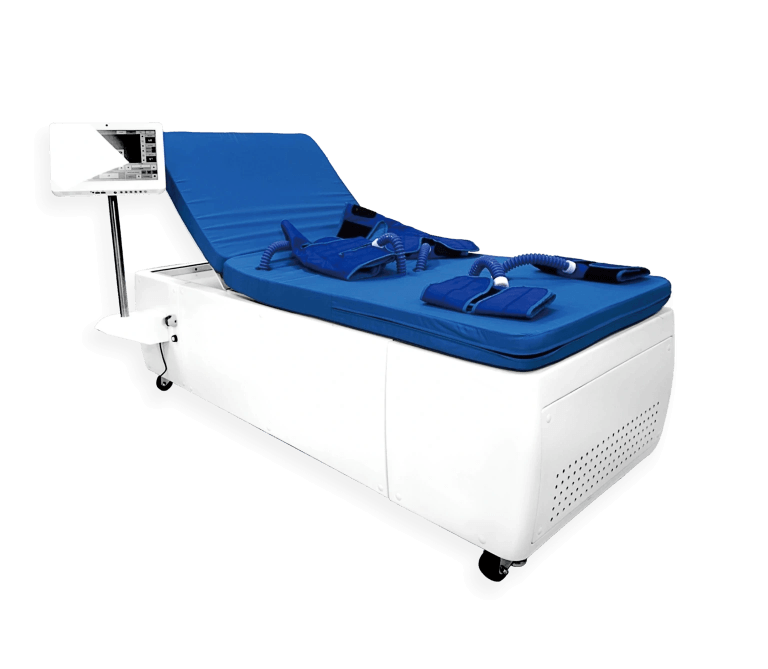
Regenerative Medicine Integrative Medicine instrument Please enter a title here Table of Contents EECP (External Counterpulsation) | Non-surgical, natural vascular bypass therapy to enhance cardiac circulation. What is EECP (Extracorporeal Counterpulsation)? (Non-invasive Circulation Optimization)
