
Orthopedic Pain
Shoulder & Shoulder Joint
Orthopedic pain
Shoulder joint
Frozen Shoulder

Table of Contents
A Comprehensive Guide to Frozen Shoulder Treatment: Breaking the Vicious Cycle of Inflammation and Adhesions to Restore Shoulder Mobility
Frozen shoulder (also known as adhesive capsulitis) is a shoulder condition that makes it difficult to raise your arm and causes pain even while sleeping. The challenge in treating it lies in the fact that inflammation and adhesions occur in a recurring cycle, leading to a prolonged recovery period. To effectively improve the condition, it is essential to break this vicious cycle by providing comprehensive treatment for the shoulder joint—from pain relief and relaxation to repair.Below is a comprehensive breakdown of frozen shoulder treatment, covering everything from causes to treatment methods—all in one place.
Common Causes of Frozen Shoulder
Frozen shoulder is primarily caused by chronic inflammation of the shoulder joint capsule, leading to thickening, contracture, and adhesions of the tissues. This restricts shoulder movement, making it difficult to move the shoulder and causing pain. Common factors contributing to frozen shoulder include:
- Prolonged poor posture: Office workers who spend long hours using computers or looking down at their smartphones may experience tight shoulder muscles and poor blood circulation.
- Immobilization following trauma or surgery: Prolonged immobility after an arm fracture or shoulder surgery can lead to fibrosis of the joint capsule.
- Chronic diseases: Metabolic issues such as diabetes and thyroid dysfunction increase the risk of joint adhesions.
- Natural degeneration or spontaneous inflammation: As people age, the elasticity of the joint capsule decreases, making it prone to adhesions without a clear cause.
Frozen shoulder is most common in people aged 40 to 65, particularly those in their 50s, which is why it is called "frozen shoulder."
| Type | Primary Frozen Shoulder | Secondary Frozen Shoulder |
|---|---|---|
| Etiology | No apparent cause; occurs spontaneously | Caused by trauma, surgery, or disease |
| Triggering factors | Associated with diabetes or metabolic disorders | Fractures, stroke, prolonged immobilization |
| Onset | Gradual deterioration | Occurs following a specific event |
| Treatment Approach | Pain relief and improved range of motion | Treating the underlying cause simultaneously |
Populations Prone to Frozen Shoulder
Frozen shoulder (adhesive capsulitis) is common among middle-aged and older adults and is primarily associated with joint degeneration, lack of movement, and chronic inflammation. The following groups are more prone to developing frozen shoulder:
1. Middle-aged adults aged 40–60
Frozen shoulder is most common among people aged 40 to 60, which is why it is also known as “Frozen Shoulder.” As people age, the tissues surrounding the shoulder joint gradually degenerate, the joint capsule loses elasticity, and inflammation and adhesions are more likely to occur.
2. Women
The incidence of frozen shoulder is slightly higher in women than in men, particularly around the time of menopause, which may be related to hormonal changes and decreased muscle strength.
3. Office workers who sit for long periods or have low physical activity
Prolonged computer use and insufficient shoulder movement can lead to shoulder stiffness, increasing the risk of inflammation and adhesions in the joint capsule.
4. Individuals with a history of shoulder injuries or surgery
A history of shoulder sprains, rotator cuff injuries, fractures, or prolonged immobilization following surgery can reduce shoulder joint mobility and may increase the likelihood of developing frozen shoulder.
5. People with chronic illnesses
Certain chronic conditions are associated with a higher incidence of frozen shoulder, such as:
Diabetes
Thyroid disorders
Cardiovascular disease
Post-stroke patients
These conditions may affect the repair of joint tissues and blood circulation.
6. People with chronic poor posture
Postures such as a hunched back, rounded shoulders, or looking down for extended periods can keep the shoulder joint in an improper position for long periods, increasing the risk of shoulder inflammation and stiffness.
Examination and Differential Diagnosis of Frozen Shoulder

Clinical diagnosis is primarily based on medical history and physical examination; the physician will assess the range of motion in the shoulder and the patient’s pain response. If other shoulder conditions are suspected
, imaging tests may be ordered:
- X-ray: To rule out bone abnormalities and osteoarthritis.
- Ultrasound: To assess the condition of the shoulder joint capsule, bursae, and tendons.
- MRI (Magnetic Resonance Imaging): To further determine whether there is an accompanying rotator cuff tear or severe adhesions.
Through these tests, the physician can clearly distinguish between simple frozen shoulder and other pathological conditions affecting the shoulder structures, thereby developing the most appropriate treatment plan.
Common Treatments for Frozen Shoulder
The key to treating frozen shoulder is to "reduce pain, restore range of motion, and accelerate healing." Depending on the severity of the condition, treatment can be divided into two main approaches: traditional treatment and advanced treatment.
Conventional treatment: Reducing pain and reducing inflammation
- Medication
: Oral nonsteroidal anti-inflammatory drugs (NSAIDs) can reduce inflammation and pain. When combined with muscle relaxants, they help relax stiff muscles and alleviate the sensation of tightness. - Injection Therapy
: A doctor injects a steroid medication directly into the shoulder joint to quickly reduce inflammation and alleviate pain. This treatment is suitable for patients experiencing severe pain or nighttime pain that interferes with sleep. - Physical therapy
includes heat therapy, electrotherapy, and laser therapy, which promote blood circulation and improve tissue repair. These treatments help relax the shoulder muscles and relieve stiffness. - Rehabilitation exercises
are the most critical component of frozen shoulder treatment and include shoulder joint stretches, pendulum exercises, and towel exercises. It is essential to follow the guidance of a physical therapist or physician and gradually increase the range of motion.
Comprehensive Treatment for Frozen Shoulder: Reduce Pain, Restore Range of Motion, and Accelerate Recovery
When frozen shoulder enters the "frozen phase" or "chronic adhesive phase," traditional treatments have limited effectiveness. At this stage, advanced treatments such as SIS magnetic wave therapy, joint mobilization, and shoulder capsule stretching may be considered to accelerate the breakdown of adhesions and restore flexibility.
Super Inductive System
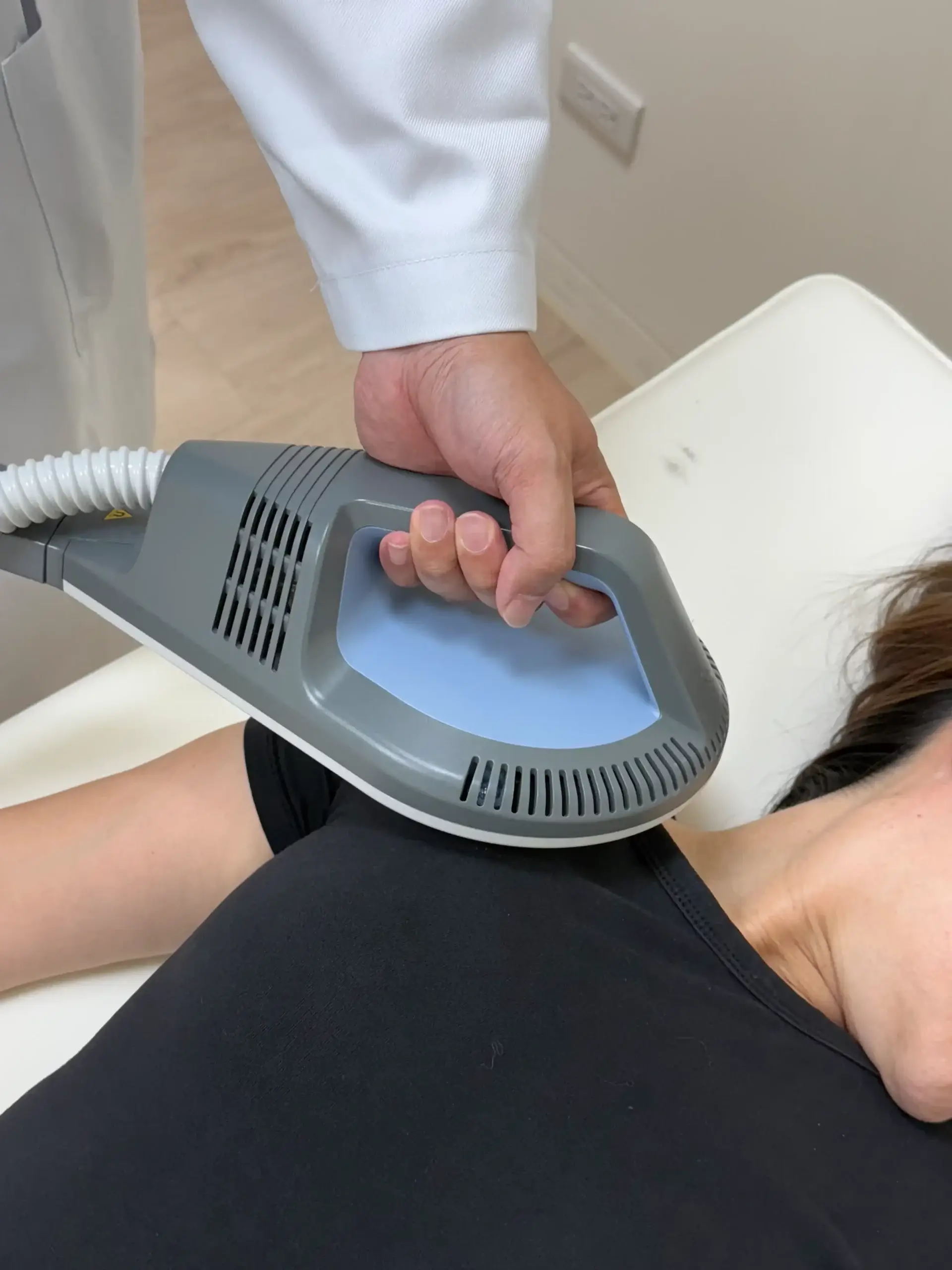
This is a new generation of non-invasive therapy that uses high-energy magnetic waves to deeply stimulate the muscles and joints of the shoulder.
Treatment Features: Relaxes the
joint capsule: Magnetic vibrations help loosen adhesions. Promotes circulation
and healing: Enhances local metabolism and reduces inflammation.
Pain-free and comfortable: The treatment involves no injections or trauma. Improves rehabilitation
efficiency: Can be combined with physical therapy and joint exercises.
Clinical studies have shown that SIS magnetic waves can significantly improve pain and range of motion while shortening recovery time, making it suitable for patients with frozen shoulder at all stages.
Shoulder Joint Mobilization
Shoulder Joint Manipulation is a specialized manual therapy performed by orthopedic surgeons or physical medicine and rehabilitation specialists. Using precise techniques, the physician loosens adhesions in the shoulder joint under sedation to restore the shoulder’s range of motion.
Treatment Process:
- Sedation or a nerve block injection is administered to alleviate pain.
- The physician manually and gradually loosens adhesions in all directions of the shoulder.
- Ultrasound-guided injections are used to provide precise pain relief.
- Immediately following the procedure, rehabilitation exercises are initiated to maintain the range of motion. This
treatment can significantly improve mobility in a short period, with particularly notable results for patients with long-term stiffness.
Shoulder Capsulotomy
Also known as "arthrocentesis," this procedure uses ultrasound guidance to inject fluid into the shoulder joint capsule to distend it and release adhesions.
Treatment Procedure:
- Use high-resolution ultrasound to precisely locate the joint capsule.
- Inject a mixture containing anesthetic, pain reliever, saline solution, and hyaluronic acid.
- The fluid expands the constricted joint capsule space, reducing pain and restoring flexibility.
- Combined with joint mobilization and SIS magnetic wave therapy performed by a physical therapist.
The treatment course typically requires 4 to 6 sessions, once a week, and is most effective when combined with home rehabilitation exercises.
Frequently Asked Questions About Frozen Shoulder
Can frozen shoulder heal on its own without treatment?
Some patients with mild cases may recover spontaneously, but it usually takes 1 to 3 years. Aggressive treatment can shorten the course of the disease and prevent functional loss.
What’s the difference between frozen shoulder and rotator cuff tear?
Frozen shoulder is caused by inflammation and adhesions of the joint capsule, resulting in limited overall movement; a rotator cuff tear is a tear or rupture of the shoulder tendon, often accompanied by weakness in the arm or a “clicking” sound during movement. Doctors will use ultrasound or MRI images to determine the difference and provide different treatment plans.
Does SIS (Super Magnetic Energy Therapy) hurt?
No. The treatment involves only slight vibration and a warm sensation, and is a non-invasive therapy.
Does frozen shoulder joint surgery require hospitalization?
No. This is an outpatient treatment; you can go home after post-operative observation.
Is frozen shoulder capsular expansion surgery safe?
Operating under ultrasound guidance ensures high precision and excellent safety.
How long does rehabilitation take after treatment for frozen shoulder?
Generally, home stretching and strength training should be continued for 1 to 3 months to maintain the treatment results.
Related Articles
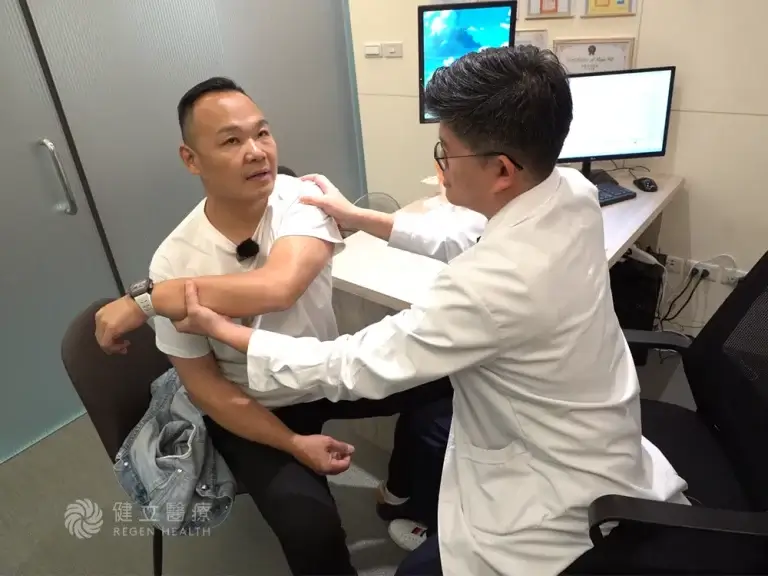
CASE Testimonials Mr. Xie, the owner of Hongda International, has maintained a regular fitness routine for many years, yet he has been plagued by a five-year-old shoulder injury that prevented him from raising his arm smoothly and even caused him to wake up in pain when turning over in bed at night.

Regen Health Advanced PRP Therapy | The Golden Treatment for Activating the "Self-Repair" Mechanism of Joints and Tendons PRF is a highly safe, naturally derived regenerative medicine therapy that utilizes growth factors and fibrin structures from the patient’s own blood to help the body a
