HILT Pain-Relief High-Energy Laser

Regen Health
2025-02-21
What is the HILT High-Energy Laser?
When pain recurs, the problem often lies not on the surface, but in the deep joints, tendons, or nerves.
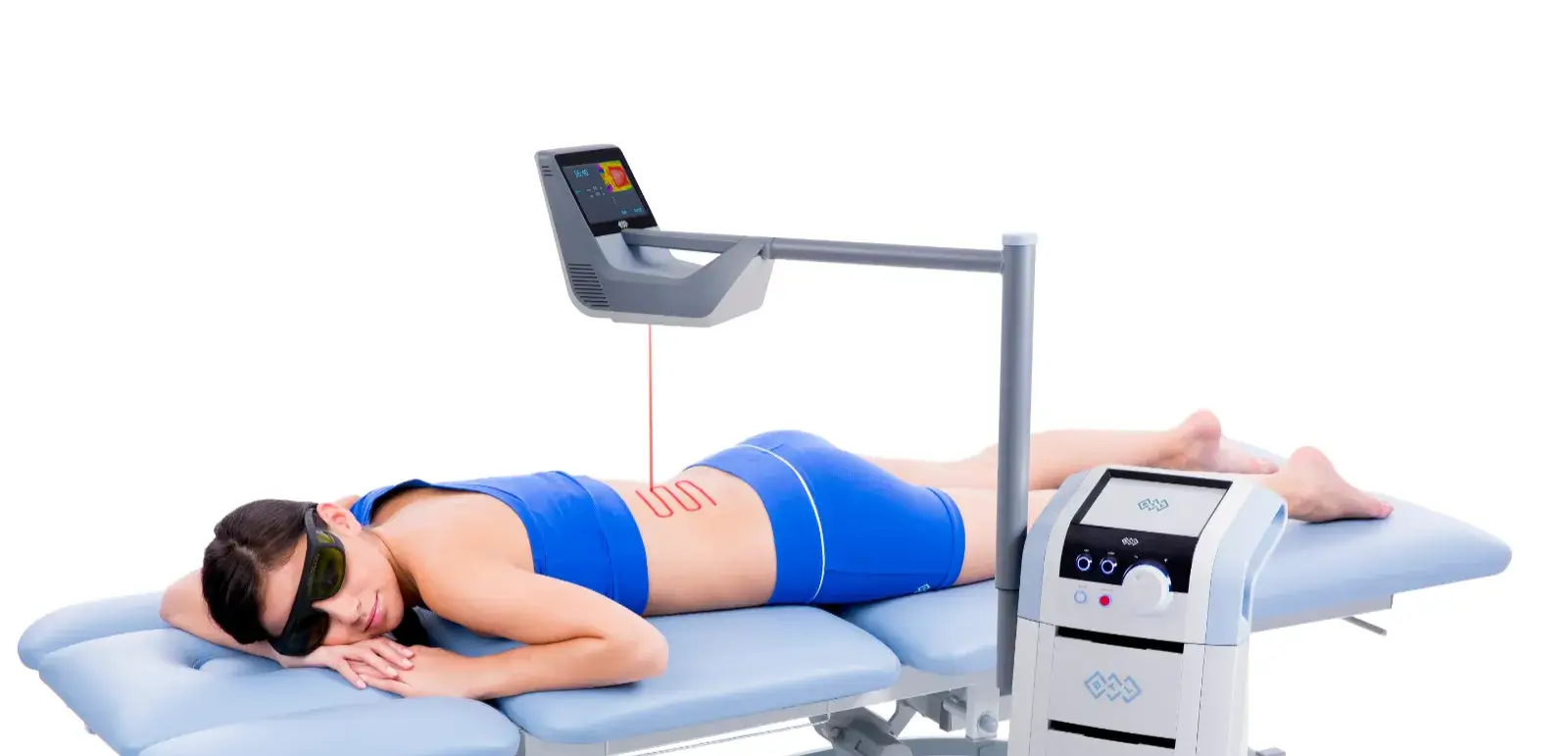
BTL High-Intensity Laser Therapy (HILT) utilizes a 1064nm near-infrared “golden wavelength” and a high-power output of 10–30W, with energy that can penetrate 10–12 centimeters to reach deep tissues that conventional lasers cannot access.
Unlike low-energy lasers that only affect the skin or superficial soft tissues, HILT does more than just “provide temporary relief.” It simultaneously triggers rapid pain relief, reduces inflammation, promotes tissue repair, and restores circulation, allowing acute pain to be immediately alleviated and chronic degenerative conditions to see genuine improvement.
The entire process is non-invasive, pain-free, and requires no recovery time. It is suitable for acute sprains, chronic joint degeneration, and the post-surgical swelling phase, as well as for individuals who fear pain or are unsuitable for strong stimulation therapies. It represents a high-end treatment option in modern pain medicine that balances efficiency and comfort.
What are the key benefits of the HILT High-Energy Laser?
① 1064nm deep-penetrating wavelength | Targets the source of pain
- Low melanin absorption rate, safe for Asian skin tones
- Minimal tissue scattering, ensuring minimal energy loss
- Can target joints, deep tendons, ligaments, and nerve roots
② 10–30W High-Power Output | Not cumulative—results in a single session
- Power output is over 50 times that of standard low-energy medical lasers
- Short treatment time (approx. 10–15 minutes)
- No need for prolonged exposure at a single point; dynamic scanning ensures greater safety
③ Simultaneous activation of three physiological effects | Pain relief and tissue repair work together
- Photochemical effect: Reduces inflammatory factors and promotes cellular repair
- Photomechanical effect: Immediately modulates neural pain transmission, providing instant relief
- Photothermal effect: Improves deep tissue circulation and removes pain-causing metabolites
Differences Between HILT (High-Intensity Laser Therapy) and Traditional Low-Level Laser Therapy
| Item | HILT High-Intensity Laser Therapy (Pain Relief) | Traditional Low-Level Laser Therapy |
|---|---|---|
| Treatment Depth | 10–12 cm | 0.5–1 cm |
| Wavelength / Power | 1064 nm (near-infrared golden wavelength); 10–30 W | Mostly 600–800 nm; <0.5 W |
| Applications | Joints, nerves, deep-seated pain | Superficial soft tissue |
| Treatment time | Short (average 15 minutes, depending on the area) | Longer (requires prolonged exposure to accumulate energy) |
| Safety | Smart thermal imaging device (monitors temperature throughout the procedure to prevent burns) | Standard (relies on operator experience; no temperature monitoring) |
| Operation Mode | Robotic arm automatic scanning (uniform, large-area coverage) | Manual handheld or fixed-point scanning (limited coverage, prone to operator fatigue) |
| Main Effects | Immediate pain relief, swelling reduction, promotion of deep tissue repair, and improved circulation | Healing of superficial wounds, mild anti-inflammatory effects |
| Suitable for | Acute and chronic pain, deep tissue damage, post-surgical recovery | Minor injuries, superficial inflammation |
HILT (High-Intensity Laser Therapy) Indications (Who Is It For?)
1) Acute pain/injury phase
- Acute ankle sprains, sports-related strains
- Acute lower back pain, stiff neck
- Swelling following a fracture or surgery
- Acute inflammatory phase with significant hematoma or edema
Key Objectives: Rapid pain relief, reduction of swelling, and shortening of recovery time
Suitable for: Athletes, post-surgical patients, accident victims, and those sensitive to pain
2) Chronic Pain / Degenerative Conditions
- Knee osteoarthritis
- Frozen shoulder
- Plantar fasciitis
- Tennis elbow, golfer’s elbow
- Cervical/Lumbar Nerve Compression Pain
Key Objectives: Reduce chronic inflammation, improve range of motion, and enhance quality of life
Ideal Candidates: Seniors, office workers with sedentary lifestyles, and those who wish to avoid injections or surgery
Clinical studies have shown that High-Intensity Laser Therapy (HILT) is effective in treating various musculoskeletal pain conditions.
1) In patients with osteoarthritis of the knee—a randomized controlled trial confirmed that HILT reduces VAS pain by over 30%; after 7 sessions, resting pain decreased by up to 83.87%, and there was a significant improvement in WOMAC function and stiffness, with a tangible enhancement in walking and stair-climbing ability.
2) Frozen shoulder (adhesive capsulitis)—Within 3 weeks, HILT demonstrated superior improvements in VAS and SPADI scores compared to low-level laser therapy, and increased shoulder flexion and abduction angles, facilitating smoother rehabilitation progress.
3) Grade II Acute Ankle Sprain – After 3 weeks of combined HILT treatment, pain scores decreased from 8/10 to 2/10, helping to rapidly control acute inflammation and shorten return-to-play time.
4) A comprehensive systematic review showed that, across 18 studies, 94% confirmed that HILT has a positive effect on muscle and deep musculoskeletal pain, and its efficacy is significantly superior to that of low-level laser therapy in deep tissue pathologies.
HILT High-Intensity Laser Therapy: 4 Key Benefits
1|Completely pain-free and non-invasive: A "deep-tissue treatment solution" for those who fear pain.
Since light energy penetrates the tissue, most people experience only a warm, relaxing sensation during the procedure, rather than painful stimulation.
- Suitable for those who are pain-sensitive or have sensitive constitutions: Compared to shockwave therapy, which often causes significant soreness, HILT is much gentler and has a high acceptance rate.
- No additional micro-trauma: While shockwave therapy tends to follow a “destroy-and-rebuild” approach, HILT
- does not require creating micro-injuries for repair, making it a gentler option.
- Can be used on areas unsuitable for pressure: For example, in cases of acute swelling or areas that are painful to the touch, HILT can still intervene without applying pressure.
2|Immediate intervention even during the acute phase: “Rapid relief” during the phase of redness, swelling
, heat, and pain. Many treatments are actually conservative during the acute phase (e.g., strong stimulation, firm pressure, certain energy therapies), but the characteristic of “instant pain relief” is that it can simultaneously
activate anti-inflammatory, circulation-promoting, and nerve-pain-relieving effects during the acute inflammatory phase, often used to “put out the fire first.” Benefits of immediate intervention during the acute phase:
- Rapidly control swelling and edema: By supporting microcirculation and lymphatic drainage, it helps flush out fluid trapped within the tissues.
- Reduces pain amplification caused by acute inflammation: Encourages patients to move and engage in rehabilitation more confidently, preventing a vicious cycle (the more pain, the less movement → the more stiffness).
- Shortens recovery time and accelerates return-to-activity: Commonly used for sports sprains and strains, acute lower back pain, stiff neck, and post-surgical swelling. Pain and swelling are addressed first, allowing for a smoother transition into rehabilitation.
3|No Downtime After Treatment: Walk and return to work immediately; no need to reschedule your plans. Pain Relief
is a non-invasive treatment that typically does not cause wounds, bruising, or require recovery time. The most common post-treatment reactions are a local sensation of warmth and slight redness (due to increased circulation), which usually subside within a short time.Therefore, this treatment does not interfere with work or daily life and can be scheduled frequently. It offers great flexibility in treatment planning, especially
during the acute phase when intensive care is needed. A quick note: A small number of patients with chronic pain may experience a brief sensation of soreness or tightness after the first treatment; this is often related to the reactivation of circulation and metabolism and usually subsides within 1–2 days.
4|Can be combined with physical therapy, manual therapy, and regenerative therapies: Not a standalone treatment, but an
“accelerator” Pain Relief’s role is akin to a “fast charger” for healing: by first reducing pain, inflammation, and stiffness, the body is better prepared for effective rehabilitation; it can also serve as an “environmental optimizer” for healing within regenerative therapy or post-surgical plans.
Common combinations:
- Combined with exercise therapy/strength training: First, relieve pain and promote relaxation → patients can move more freely → better training quality → lower recurrence rates.
- Combined with Manual Therapy / Joint Mobilization: First, reduce protective spasms and pain signals → Manual therapy can better access deeper tissues, and angle adjustments become smoother.
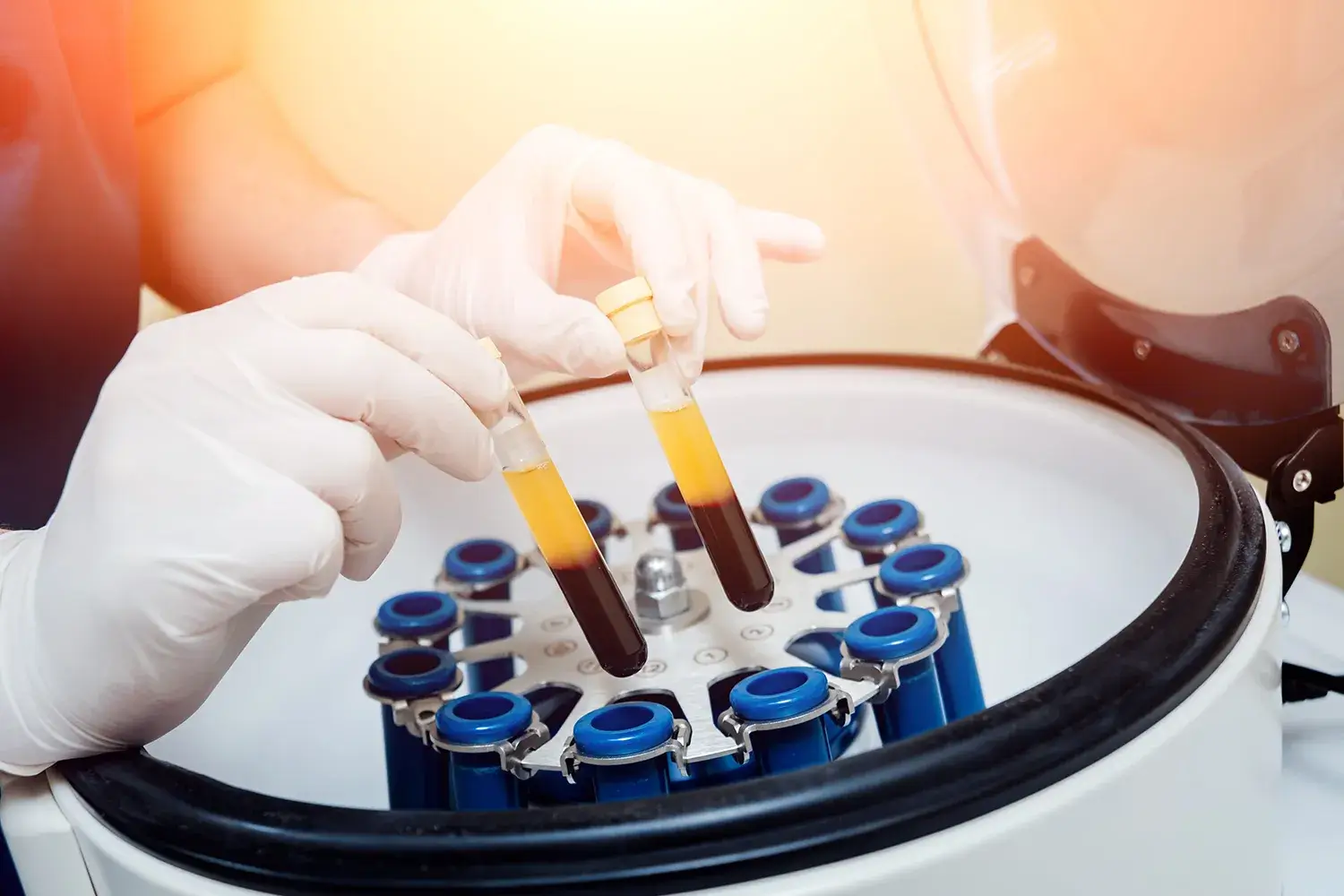
- Combined with regenerative therapies (PRP, PRF, etc.) and post-surgical recovery: Can be used to reduce pain and swelling, improve circulation and tissue metabolism, facilitating smoother healing and better patient compliance with rehabilitation progress.
Contraindications for HILT High-Intensity Laser Therapy
- Pregnancy: Avoid exposure of the abdomen and pelvic area
- Malignant Tumors: Avoid irradiating known or suspected cancerous lesions
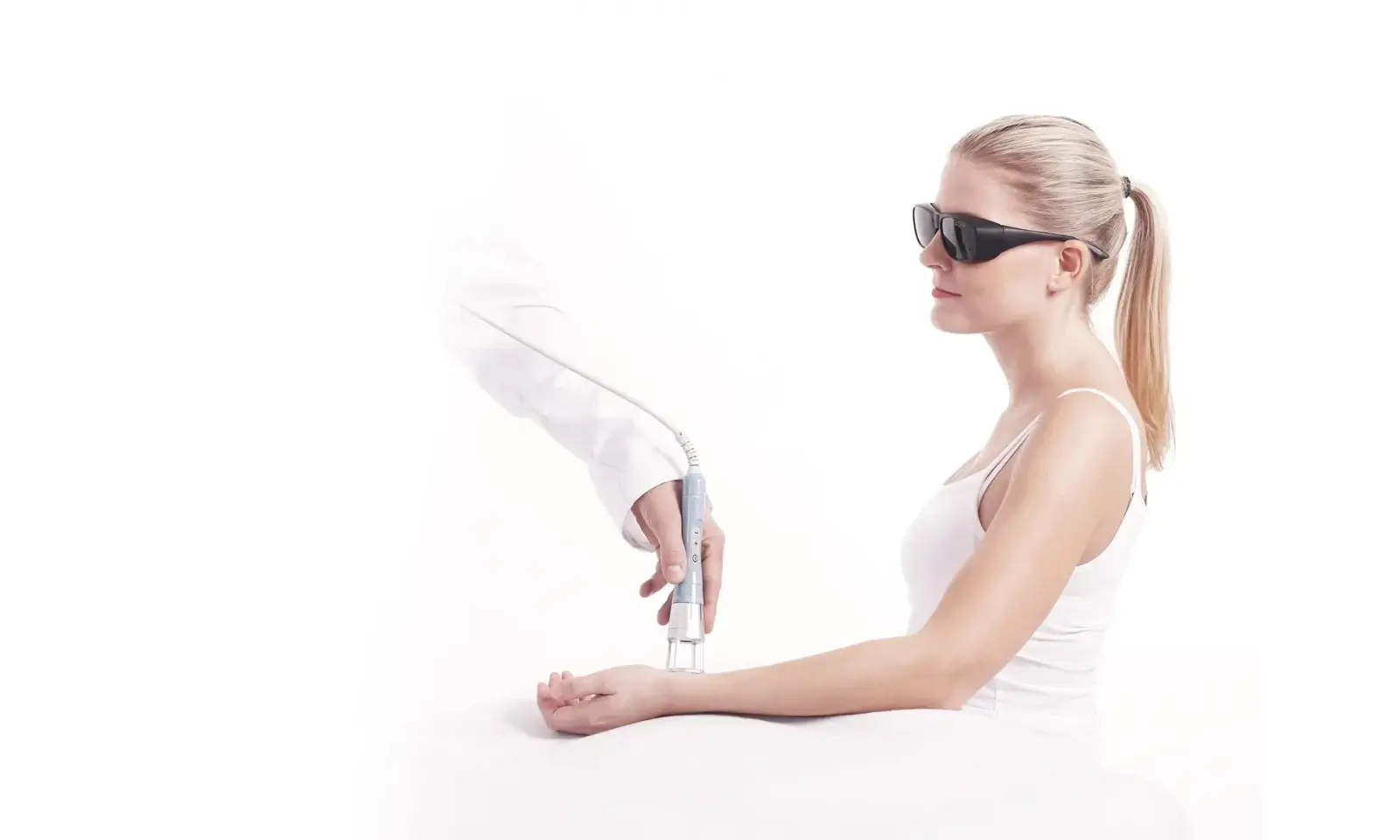
- Eyes: Direct laser exposure is strictly prohibited; safety goggles must be worn during treatment
- Thyroid and Endocrine Glands: Avoid direct exposure
- History of epilepsy: Specific pulse patterns may trigger seizures
- Bleeding disorders or active bleeding: Vasodilation may exacerbate bleeding
Special Precautions (Requires Physician Evaluation)
- Metal implants (bone pins, artificial joints): Treatment is generally permissible; however, dynamic scanning mode is recommended and must be evaluated by a physician
- Tattooed Areas: Direct irradiation is prohibited; these areas must be completely avoided or shielded
- After steroid injections: It is recommended to wait 7–14 days before undergoing laser treatment
- Patients with abnormal skin sensation or reduced sensitivity: Enhanced temperature monitoring is required during treatment
- Very superficial lesions or areas with thin skin: Energy levels and treatment methods must be adjusted
HILT Pain Relief High-Energy Laser FAQ
Q1: Does the treatment hurt?
No, you’ll only feel a deep warmth—it’s completely different from shockwaves.
Q2: How long does each session take? How many sessions are needed?
You may experience mild localized swelling, pain, or bruising at the injection site. These mild discomforts will gradually improve as the damaged tissue heals and typically subside within about one week; this is a normal reaction.
Q3: Number of Sessions and Frequency
Each session lasts about 10–15 minutes. For acute conditions, noticeable results are typically seen after 1–3 sessions; for chronic conditions, 6–12 sessions are recommended.
Q4: Can patients with artificial joints or bone screws undergo this treatment?
Yes, but a physician’s evaluation is required, and dynamic scanning mode must be used.
Q5: Can I move immediately after treatment?
Yes, there is no recovery period.
Q6: Are there any side effects?
Very rarely; only temporary redness, which subsides within a few hours.
Q7: How does this differ from the laser covered by national health insurance?
The power is over 50 times greater, and the treatment depth is completely different.
Q8: Can I get the treatment if I have a tattoo?
The laser cannot be directed at the tattoo; it must be avoided.
Related Articles
CASE Testimonials Mr. Wang, who has long engaged in physically demanding work, suffered severe strains to his lumbar spine and deep muscles due to frequent bending and lifting of heavy objects. He has endured chronic lower back pain for years, and traditional rehabilitation has yielded limited resul
Regen Health Advanced PRP Therapy | The Golden Treatment for Activating the "Self-Repair" Mechanism of Joints and Tendons PRF is a highly safe, naturally derived regenerative medicine therapy that utilizes growth factors and fibrin structures from the patient’s own blood to help the body a