Musculoskeletal Ultrasound

Regen Health

2025-11-23

Musculoskeletal Ultrasound and Guided Injections: The Key to Accurate Pain Diagnosis | Jianli Clinic

Why choose advanced musculoskeletal ultrasound?

When X-rays fail to identify the source of pain, the problem is often hidden within the soft tissues (tendons, ligaments, and nerves). Jianli Clinic uses advanced musculoskeletal ultrasound, which provides millimeter-level resolution and dynamic imaging, enabling us to pinpoint the affected area in real time and perform precisely guided injections. This significantly improves treatment success rates and reduces the risk of complications. 

What is musculoskeletal ultrasound?

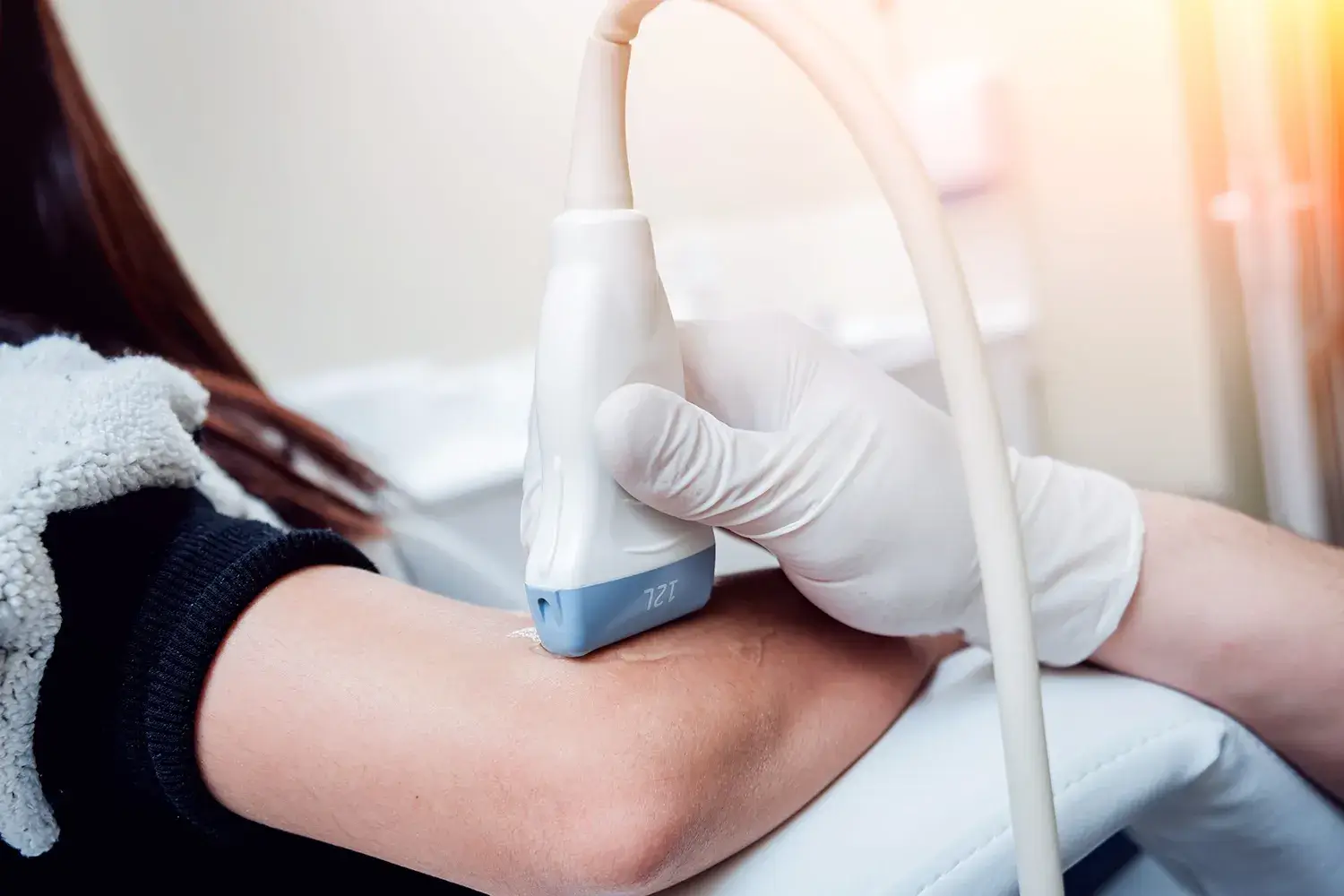
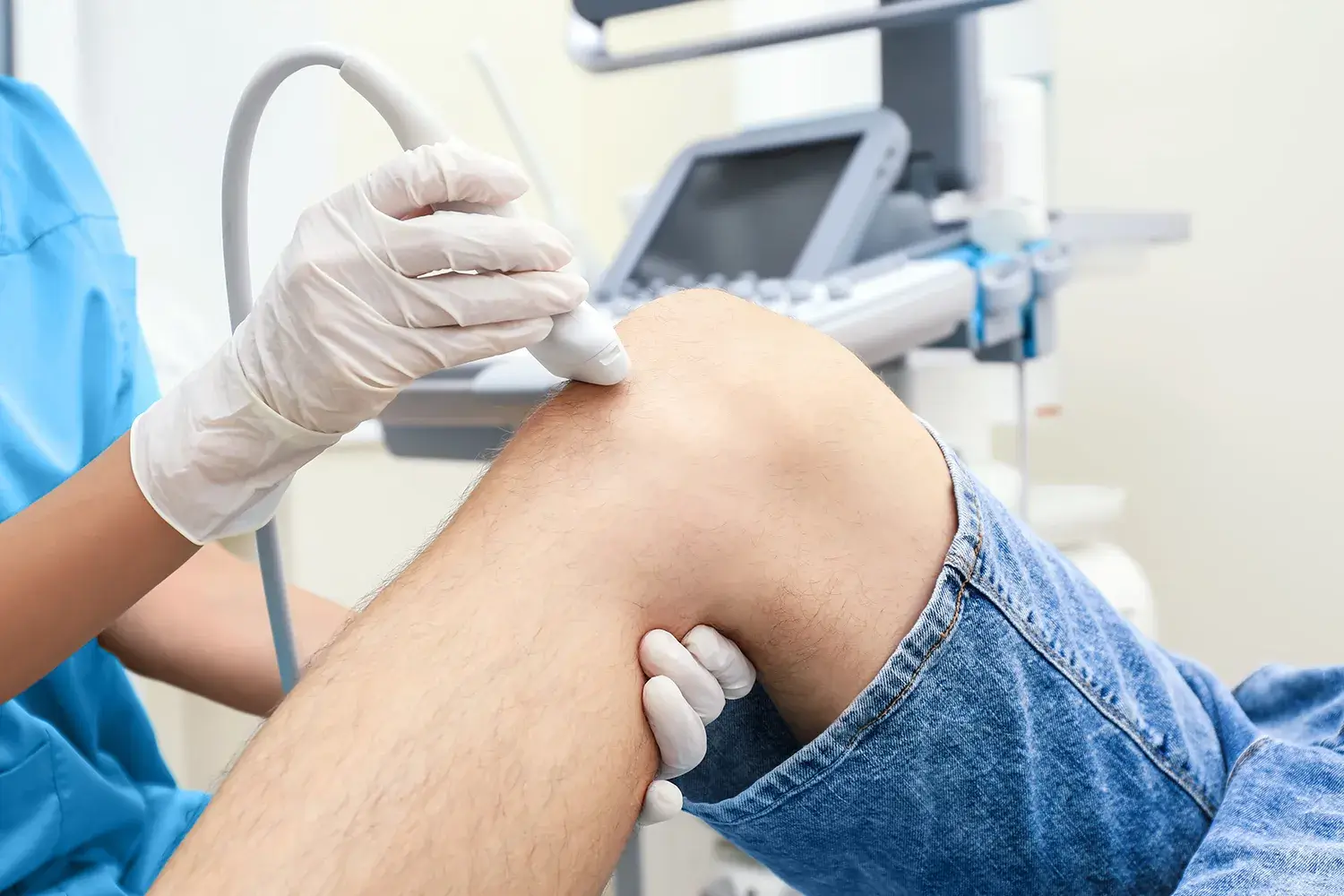
Musculoskeletal ultrasound is often referred to as the physician’s “second stethoscope.” It uses the principle of sound wave reflection to provide real-time images of muscles, tendons, ligaments, and nerves. 

5 Key Diagnostic Advantages of Advanced Ultrasound: 

  1. Tendon Disorders: Diagnosis of tendinitis, calcific tendinitis, and partial tendon tears. 
  2. Sports Injuries: Detects ligament sprains (ankle, knee), muscle strains, and hematomas. 
  3. Joint abnormalities: Examination of joint effusion, bursitis, friction, and catching. 
  4. Nerve Compression: Diagnosis of carpal tunnel syndrome, de Quervain’s tenosynovitis, and peripheral nerve adhesions. 
  5. Nature of Masses: Identification of tenosynovial cysts and soft tissue nodules. 

Musculoskeletal Ultrasound vs. X-rays: What’s the Difference?

Project Musculoskeletal Ultrasound X-ray 
Scope of Examination Soft Tissues (Tendons, Ligaments, Nerves)  Bone structure, fractures, bone spurs 
Functional Advantages Dynamic testing, real-time imaging, inflammation detection  Bone alignment, joint space assessment 
Indications Chronic pain, sports injuries, swelling and fluid accumulation Severe trauma, falls, ruling out fractures 
Therapeutic Applications Guided injection therapy (for increased accuracy) None


Ultrasound-Guided Injections: The Key to Improving Treatment Success Rates

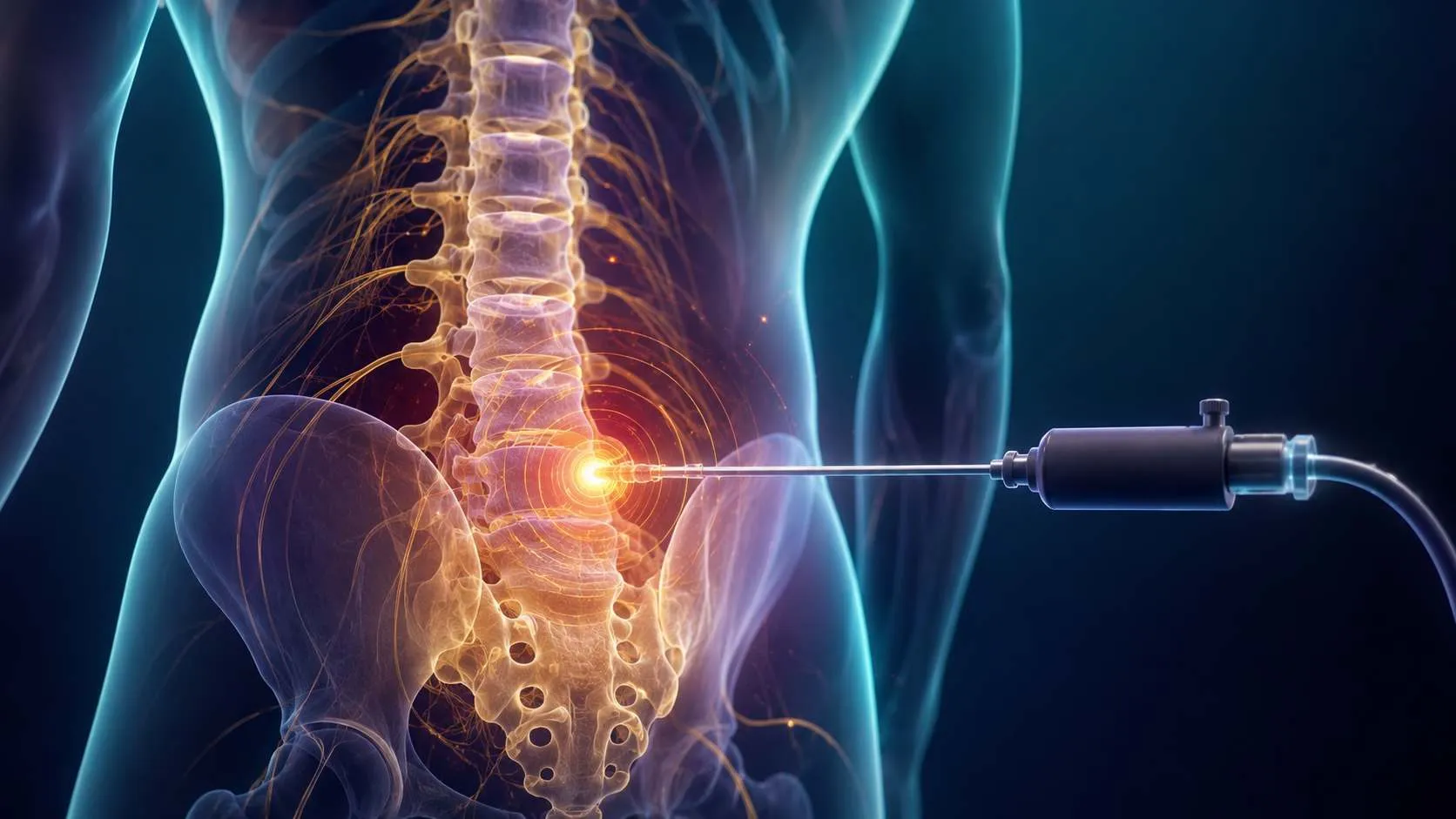
Traditional injections rely on the physician’s experience (blind injection), whereas ultrasound-guided injections involve “injecting while viewing the image,” ensuring that the medication reaches the affected area with precision. 

Seven Key Advantages of Ultrasound-Guided Injections 

  • High Precision: Millimeter-level visualization allows for precise avoidance of nerves and major blood vessels. 
  • Targeted Drug Delivery: Reduces medication dosage while maximizing therapeutic benefits. 
  • Dynamic Observation: Allows for real-time observation of tissue movement and friction during procedures. 
  • Versatile Treatment Options: Supports PRP therapy, hyaluronic acid injections, steroid injections, and calcification flushing (Barbotage). 
  • Advanced Techniques: Performs capsular expansion for frozen shoulder and hydrodissection. 
  • No Interference from Metal: Clear imaging is possible even if plates or screws remain in the body after surgery. 
  • Rapid Recovery: Minimal incisions and extremely high safety. 

Ultrasound-Guided Injections: Common Treatment Sites and Precautions

  • Indications: 

    • Shoulder: Frozen shoulder, rotator cuff tear, calcification. 
    • Hands: Tennis elbow, golfer’s elbow, carpal tunnel syndrome, plantar fasciitis. 
    • Lower limbs: Knee osteoarthritis with effusion, Achilles tendon injuries, sciatica. 

    Information on Examinations and Injections: 

    1. Preparation: No fasting is required. Please wear loose-fitting clothing and avoid applying heavy lotions. 
    2. Medical History: Please inform us in advance if you are taking anticoagulant medications or have a history of allergies. 
    3. Post-Procedure Care: Apply ice as directed by your doctor for 24–48 hours; avoid strenuous exercise and hot baths. 
    4. Normal Reactions: Mild soreness and swelling at the injection site are normal. If you experience redness, heat, swelling, pain, or a fever, please return for a follow-up visit immediately. 

Frequently Asked Questions (FAQ) About Musculoskeletal Ultrasound

Q1 What can be seen during a musculoskeletal ultrasound examination? Soft tissue changes
such as tendons, ligaments, bursae, nerves, muscles, fluid accumulation, calcifications, and cysts. Dynamic testing can be performed, and the examination can guide immediate treatment. 

Q2 Does a musculoskeletal ultrasound hurt?
Light pressure from the probe may cause slight discomfort; if an injection is required, you may experience a brief sensation of soreness or swelling after local anesthesia. 

Q3 Do I need to fast or make any special preparations?
No fasting is required. Please wear loose-fitting clothing and remove jewelry; please inform us in advance if you are taking anticoagulants or have a history of allergies. 

Q4 What is the difference between an ultrasound exam and an MRI?
Ultrasound: Zero radiation, real-time at the bedside, capable of dynamic imaging, and can guide procedures; excels at evaluating superficial to mid-deep soft tissues.
MRI: Better for assessing the entire area and deep structures (such as the center of the meniscus, deep within the acetabulum, and the spine), but cannot provide real-time guidance.The two are complementary; the choice depends on the specific lesion. 

Q5 Does an ultrasound exam always require an X-ray? Is ultrasound-guided injection really safer?
Not necessarily. When fractures, bony alignment issues, or deep joint localization are suspected, X-rays are used to improve accuracy and rule out fractures. Guided injections allow the physician to “watch the needle” in real time, helping to avoid blood vessels and nerves, thereby improving success rates and reducing complications, making them relatively safer. 

Q6 If I have "bone spurs," can they be seen on an ultrasound? 

Yes. Ultrasound can clearly show irregularities on the bone surface (bone spurs), but more importantly, it can assess whether these spurs are causing friction that leads to inflammation of surrounding tendons or bursal effusion. Doctors typically combine X-rays to examine bone structure with ultrasound to evaluate inflammation, providing the most comprehensive diagnosis. 

Q7 Why is ultrasound particularly important for treating chronic pain and old injuries? 

Chronic pain is often accompanied by "tissue adhesions" or "microcalcifications," which are difficult to detect during routine examinations. Advanced ultrasound can identify the locations of scar tissue and nerve adhesions, and through "neuro-hydrodissection," precisely separate the adhesions, effectively resolving long-standing, persistent injuries. 

Q8: Is ultrasound safe for pregnant women or people with pacemakers? 

Absolutely safe. Ultrasound utilizes sound waves and involves no electromagnetic waves or radiation whatsoever. It poses no risk or interference to pregnant women, young children, or patients with pacemakers or metal plates in their bodies. 

Related Articles

Instagram
Scroll to Top