
Orthopedic Pain
Elbow Joint
Orthopedic pain
Elbow joint
Tennis Elbow
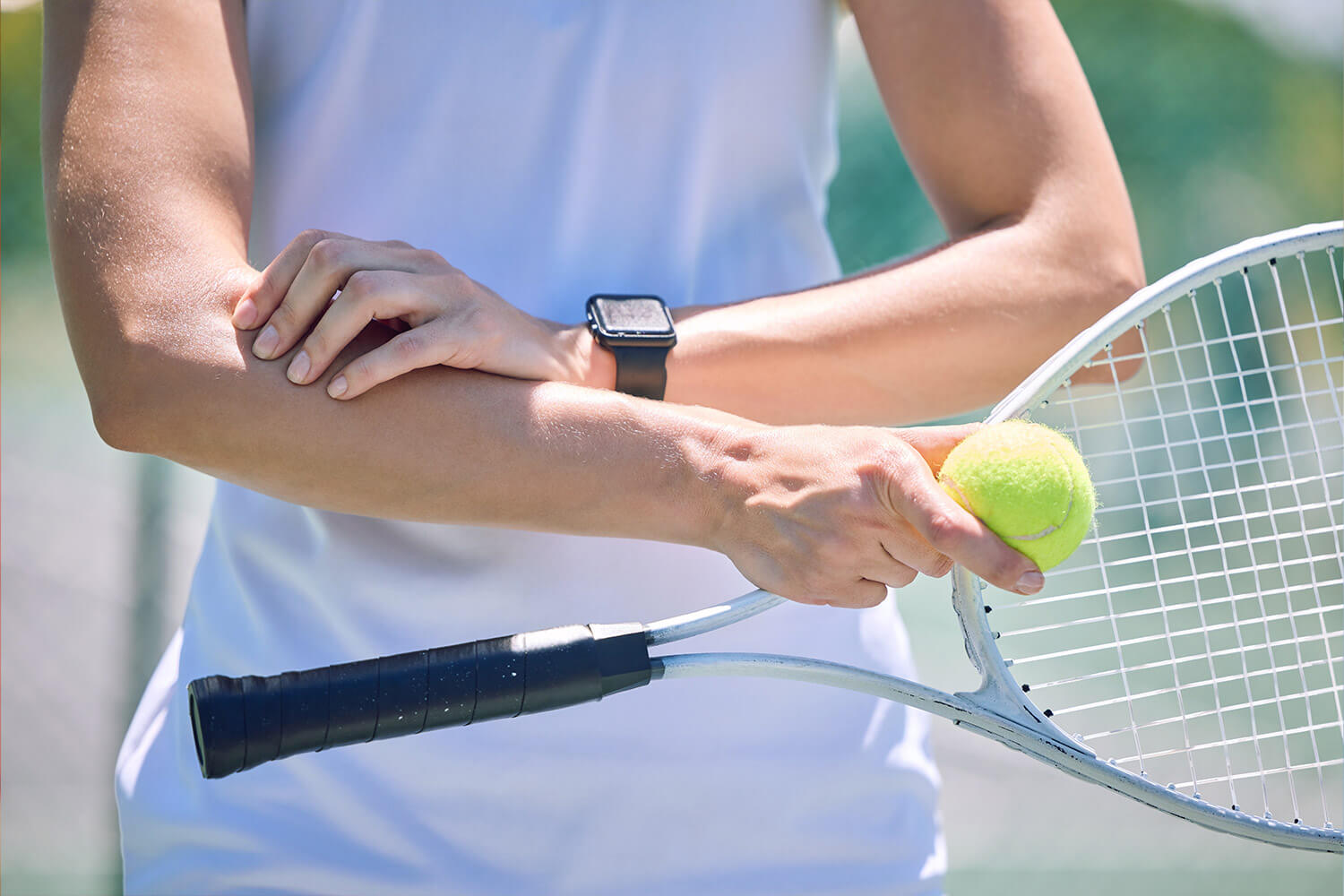
Table of Contents
Tennis elbow isn’t just for athletes! Overuse from daily chores or work can also lead to injury | A Complete Guide to Causes, Symptoms, Treatment, and Daily Care
What is tennis elbow? Why can you get it even if you don’t play tennis?
"Tennis elbow," also known as lateral epicondylitis, is caused by microtears in the tendons on the outer side of the elbow resulting from repetitive strain. It is not exclusive to tennis players. In fact, the incidence rate is higher among office workers, homemakers, and those in the food service and hospitality industries than among athletes.
"Tennis elbow" was first described by Dr. Runge in 1873. It is most common among people aged 40 to 50, with a nearly equal incidence among men and women. The primary cause is overuse of the forearm through repetitive rotational movements and strenuous hand activities such as lifting, carrying, twisting, and gripping, which subject the tendons attached to the lateral epicondyle of the humerus to prolonged stress and accelerate wear and tear.
Primary Sites of Injury and Pathological Changes in Tennis Elbow
Tennis elbow most commonly occurs at the insertion point of the extensor carpi radialis brevis (ECRB) tendon, but may also extend to the extensor carpi radialis longus (ECRL) or the extensor digitorum communis (EDC). The current medical consensus is:
- It is not simply inflammation
- but rather microtears in the tendon, accompanied by angiogenesis and fibroblast proliferation → Therefore, healing requires time + proper treatment.
Common Symptoms of Tennis Elbow
Pain on the outer side of the elbow—pressing on the bony protrusion on the outer side of the elbow causes noticeable tenderness.
Decreased grip strength—lifting bags or opening bottle caps becomes difficult. Pain
during forceful movements—worsens when wringing out a towel, lifting a pot, carrying a grocery bag, or using tools. In
the early stages, the pain is intermittent; in later stages, it becomes constant—sometimes radiating to the forearm and even interfering with work and sleep.
Groups Prone to Tennis Elbow
- Housewives
routinely wring out towels, carry pots and pans, and scrub and clean - Chefs / Plumbers / Hairdressers who use scissors, knives,
and tools for extended periods - Office
workers who use a mouse for extended periods, with wrists suspended in the air and excessive use of the wrist extensor muscles - Fitness and sports enthusiasts: repetitive
exertion from bicep curls, kettlebells, rock climbing, cycling, etc.
Key point: You don’t have to play sports to get it. As long as you frequently exert force with your “wrists and elbows,” your risk increases.
Tennis Elbow vs. Golfer's Elbow (How to Tell the Difference Quickly?)
| Comparison Criteria | Tennis Elbow | Golf Elbow |
|---|---|---|
| Location of Pain | Outer side of the elbow | Inner side of the elbow |
| Affected Muscle Groups | Wrist extensor muscles | Wrist flexor muscles |
| Provoking movement | Lifting the wrist upward, rotating the forearm | Grasping, wrist flexion |
Daily Prevention and Self-Care for Tennis Elbow
- Avoid excessive force and repetitive motions
, such as wringing out a cloth, carrying heavy objects for long periods, or forcing open cans. - When using
elbow supports, position them 3–5 centimeters below the elbow to distribute tendon tension. - Rest properly, but do not completely avoid using your hand
. The goal is to “reduce the load,” not to stop all activity. - Stretching and strength training (10 repetitions × 2–3 sets daily)
Stretching: ・Elbow
straight → Palm facing inward
or outward ・Gently apply pressure with the other hand to stretch, holding for 5–8 seconds
Strength training (using a plastic bottle or light dumbbells): • Palms
facing down → Slowly raise your wrists → Hold for 5 seconds • Lower
and rest → Repeat 10 times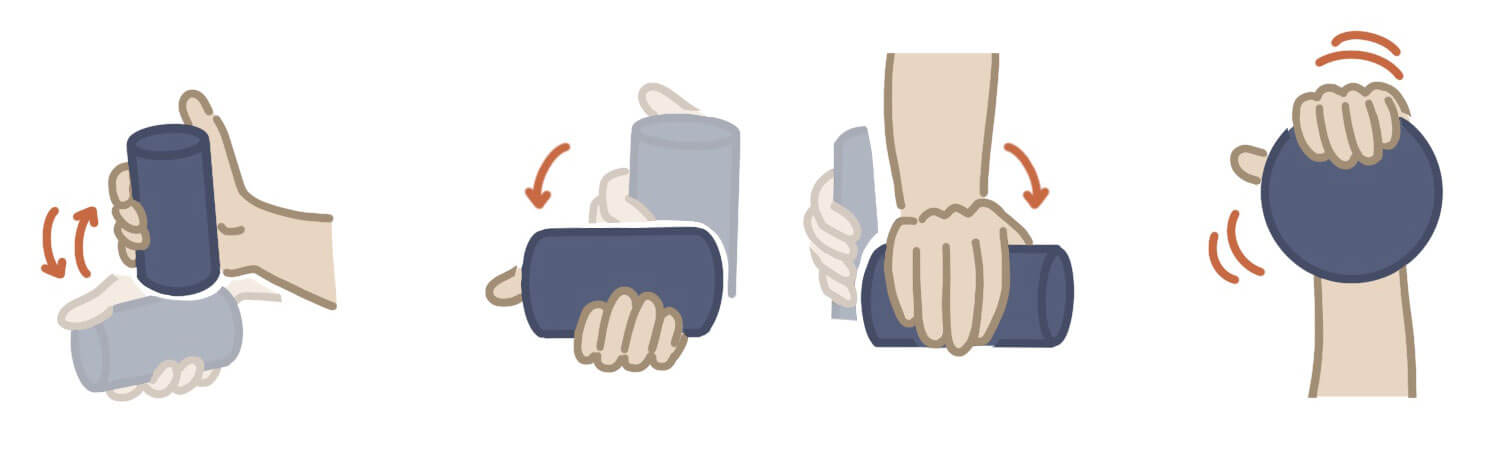
Common Treatments for Tennis Elbow
- Conservative treatment (effective in approximately 90–95% of cases): rest and modification of movement, ice or heat therapy, physical therapy, and braces
- Prolotherapy: Rest and movement modification, ice or heat therapy, physical therapy, braces
- SIS Super Magnetic Therapy / Shockwave Therapy (Adjuvant): Rest and movement modification, ice or heat therapy, physical therapy, and braces. Can be combined with PRP/PRF to accelerate recovery.
Frequently Asked Questions About Tennis Elbow
Will tennis elbow heal faster if you don’t use your hands?
Completely not using them can actually weaken the muscles; the correct approach is to “reduce the load + stretch”.
How long does it take for tennis elbow to heal?
Recovery time varies from approximately 6 to 12 weeks depending on the severity. The earlier the acute intervention, the faster the recovery.
Can steroids be taken continuously?
Not recommended. It may cause tendon fragility and degeneration, and repeated injections are usually not recommended.
Are PRP/PRF really useful?
Clinical evidence has shown that PRP/PRF can improve tendon structure and accelerate repair.
How should elbow pads be worn correctly?
It should be worn 3–5 cm below the elbow to avoid putting direct pressure on the pain point.
Can I apply heat when I’m in pain?
During the acute phase, ice packs are the primary treatment; during the chronic phase or when there is soreness or tightness, hot compresses can be used.
Should tennis elbow be treated with imaging?
If symptoms persist or precise localization is required, musculoskeletal ultrasound assessment is recommended.
Will tennis elbow keep recurring?
If daily hand habits and muscle strength training are not improved, relapses are more likely. Treatment plus prevention is key.
Related Articles
orthopedics Orthopedic pain Ankle and sole Text description, text description, text description, text description Please enter a title here Table of Contents Does your heel hurt when you take your first steps in the morning? Watch out for plantar fasciitis: Everything you need to know about the caus
orthopedics Orthopedic pain knee Table of Contents What Is Osteoarthritis? Don’t Put Up With Joint Pain, Stiffness, and Cracking Any Longer: A Comprehensive Guide to Causes, Symptoms, Diagnosis, and Treatment If you experience joint pain during physical activity, stiffness after sitting for long periods, difficulty climbing stairs, joint crepitus, or even find yourself reluctant to move due to pain, these symptoms aren’t necessarily just due to the weather or aging. Clinically, these symptoms are highly consistent with osteoarthritis (OA).Osteoarthritis is not simply “inflammation,” but a continuous process of structural degeneration:
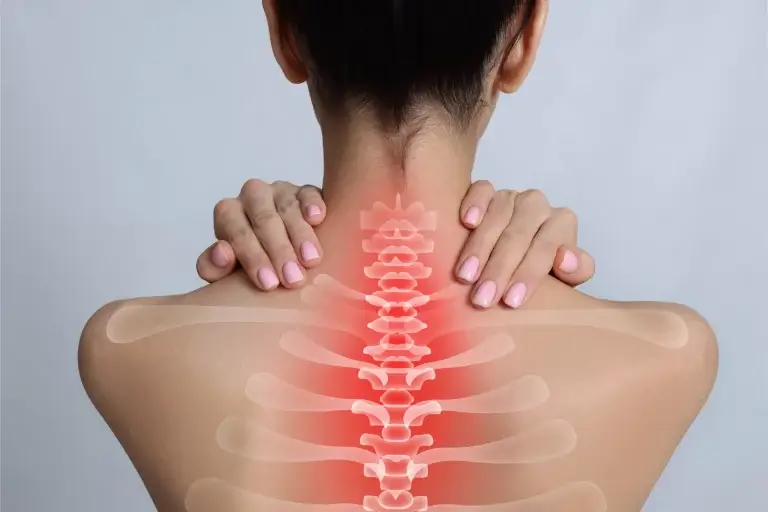
orthopedics Orthopedic pain Lower back pain, back pain Please enter a title here Table of Contents Numb Hands, Neck Pain, and Dizziness? A Comprehensive Guide to Causes, Symptoms, Treatment, and Prevention! Due to prolonged use of smartphones and computers, combined with poor posture and a sedentary
orthopedics Orthopedic pain Wrist and fingers Please enter a title here Table of Contents The Ultimate Guide to De Quervain's Tenosynovitis | Symptoms, Causes, and Treatments Explained! The medical term for "mom's hand" is De Quervain's tenosynovitis. It primarily affects th
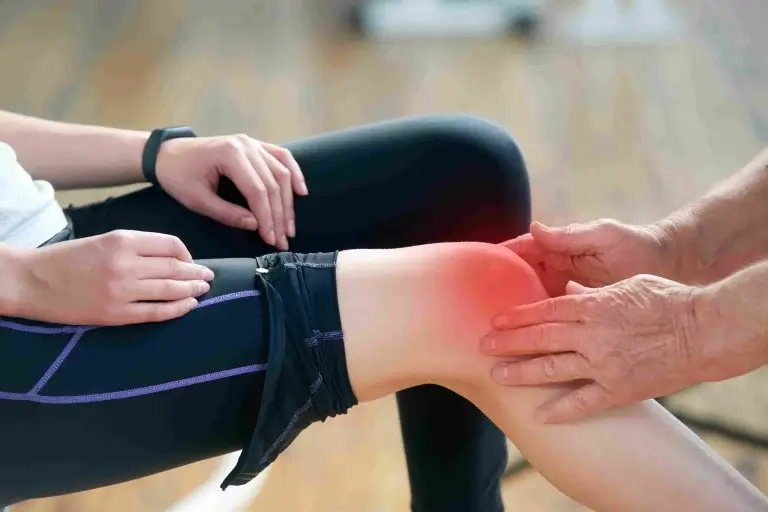
orthopedics Orthopedic pain knee Text description, text description, text description, text description Please enter a title here Table of Contents Ignoring Meniscus Injuries May Lead to Degenerative Arthritis Over Time | A Comprehensive Analysis of Acute Meniscus Sprains and Degenerative Wear and T
orthopedics Orthopedic pain Wrist and fingers Please enter a title here Table of Contents Does your wrist hurt when you twist it toward your little finger? It might not be a sprain—it could be your triangular fibrocartilage complex crying out for help! The triangular fibrocartilage complex (TFCC) i
