
Orthopedic Pain
Knee
Orthopedic pain
knee
Patellar Tendinitis

Table of Contents
A Stinging Pain in the Front of the Knee Is a Warning Sign! A Comprehensive Guide to the Causes, Symptoms, and Treatment of Patellar Tendinitis
Jumper’s knee (patellar tendinitis) is a common sports injury caused by repetitive jumping, running, or squatting, which leads to overstretching and microtears in the patellar tendon. Symptoms typically include pain on the front of the knee, just below the kneecap, which is more pronounced when jumping, landing, or going up and down stairs. Early rest, rehabilitation, and strength training can help reduce pain and prevent the condition from becoming chronic.
Have you ever felt a sharp, stabbing pain in the front of your knee (below the kneecap) when landing from a jump, squatting, or going up and down stairs? Many basketball, volleyball, or running enthusiasts often mistake this for ordinary muscle soreness and simply apply a pain patch before pushing through the pain.
However, this is likely the number one culprit behind knee pain in athletes—patellar tendonitis, commonly known as “jumper’s knee.”Studies show that over 40% of athletes involved in jumping sports have experienced this issue. Ignoring these warning signs and pushing through the pain can not only lead to chronic degeneration but also increase the risk of tendon rupture.
What is patellar tendinitis? Why does it hurt?
The patellar tendon is a strong tendon that connects the patella (kneecap) to the tibia (shinbone). It transmits force from the thigh muscles, enabling us to perform actions such as kicking and jumping.
"Patellar tendinitis" refers to a condition in which this tendon develops microtears, chronic inflammation, or degenerative changes due to prolonged, repetitive strain and overuse. The condition is named for its prevalence among athletes who frequently engage in jumping, sudden stops, and quick changes of direction.
Self-Check: Typical Symptoms of Patellar Tendinitis
If you're unsure whether you have this condition, you can use the following symptoms to make a preliminary assessment. The pain associated with jumper's knee is usually localized to a specific area: the front of the knee, directly below the kneecap. Common situations that trigger pain:
- Pain worsens during activities such as jumping, running, or squatting.
- You feel a stabbing pain or weakness when going up or down stairs.
- There is a distinct tender spot when pressing on the tendon below the kneecap.
- Stiffness, swelling, or a dull ache in the knee after exercise.
Warning signs across three stages of the condition:
- Early Stage: No pain during exercise, but soreness or stiffness begins after exercise.
- Middle Stage: Pain begins during exercise and has already started to affect athletic performance.
- Late stage: Pain persists even at rest, and a hard lump may be palpable; at this stage, the tendon structure has become fragile and is at risk of rupture.
Why Do People Develop Patellar Tendinitis? 5 Common Causes
Many patients ask, “Why does jumping not cause pain for others, but it hurts when I do it?” This is usually related to the following five factors:
- Overuse and training imbalances: Engaging in high-impact sports (such as basketball or volleyball) for extended periods causes the tendons to tear faster than they can repair themselves.
- Insufficient lower-body strength or flexibility: If the quadriceps are too tight, or if the glutes and core stability are inadequate, the impact force upon landing will be concentrated entirely on the patellar tendon.
- Poor Movement Patterns: For example, landing with the knees turned inward (valgus) during jumps, or poor running form, leading to abnormal lower-body alignment.
- Structural and alignment issues: Flat feet, excessive Q-angle, or genu varum (knock-knees) inherently increase the load on the patellar tendon.
- Excessive daily stress: Being overweight, jobs requiring prolonged standing, or frequent stair climbing can keep the tendon under constant high tension.
Populations Prone to Patellar Tendinitis (Jumper's Knee)
- Specialized athletes: Those who engage in repetitive jumping in sports such as basketball, volleyball, badminton, and track and field.
- Explosive Movement Enthusiasts: Runners, soccer players, and rugby players.
- Young Adults: Most commonly seen in teenagers and young athletes aged 15–30.
- Those with a sudden increase in training volume: Individuals who have suddenly and significantly increased their exercise intensity or frequency.
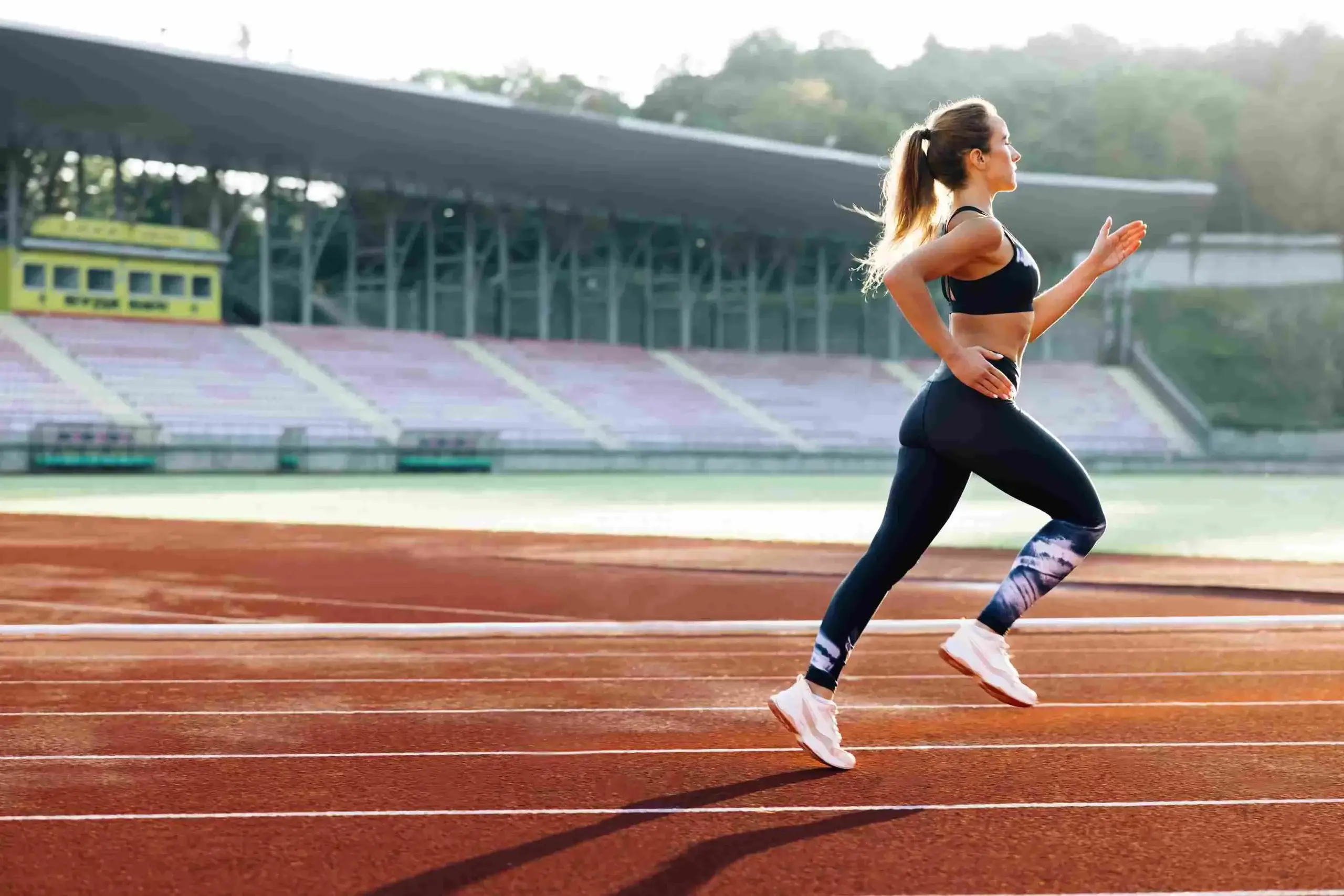
Common Treatments for Patellar Tendinitis: From Pain Relief to Recovery
- Activity Modifications and Rest: Reduce high-impact activities such as jumping, running, and squatting
- Ice Therapy and Anti-Inflammatory Pain Relief: Apply ice during the acute phase; use NSAIDs for a short period if necessary
- Rehabilitation and Physical Therapy: Ultrasound therapy, electrotherapy, deep heat therapy, and relaxation of the hip and leg muscle groups
- Eccentric Exercise: Core exercises for patellar tendon healing (e.g., incline squats)
- Quadriceps and gluteal muscle strengthening: Improve knee alignment and reduce patellar stress
- Stretching and Myofascial Release: Stretching of the quadriceps, iliotibial band, and calf muscles
- Knee brace/patellar strap: Reduces patellar strain and improves stability during movement
- Extracorporeal Shock Wave Therapy (ESWT): Promotes healing in chronic patellar tendon conditions
- High-Intensity Laser Therapy (HILT): Deep anti-inflammatory pain relief and promotion of circulatory repair
- Ultrasound-guided injection: PRP (Platelet-Rich Plasma) therapy—commonly used for chronic, recurrent cases
- Surgical Treatment: Considered only when conservative treatments fail or in cases of severe degenerative tears
Don’t wait to take care of your knees! If you’re experiencing pain in the front of your knee, we invite you to schedule a comprehensive evaluation at Jianli Clinic. Using ultrasound imaging and motion analysis, we’ll create a personalized recovery plan tailored to your needs.
Daily Prevention and Care for Patellar Tendinitis
Prevention is better than cure. To help your knees last longer, keep the following points in mind:
- Proper Warm-up and Stretching: Warm up before exercising, and stretch your quadriceps and hamstrings after exercising.
- Progressive training: Avoid sudden increases in training volume; allow your tendons time to adapt.
- Strengthen your muscles: Focus on eccentric exercises for the quadriceps, as well as stability training for the glutes and core muscles.
- Use supportive gear appropriately: Wear a patellar strap or knee brace when necessary to distribute pressure.
- Weight Management: Losing weight can directly reduce the strain on your knees.
Frequently Asked Questions About Patellar Tendinitis (Jumper's Knee)
Is pain in the front of the knee a sign of jumper’s knee?
Not necessarily, but if the pain is concentrated “directly below the patella” and worsens when jumping, squatting, or going up and down stairs, the chance of jumper’s knee is high. It is recommended to have a doctor make an accurate diagnosis through ultrasound.
Can I still play ball or run if I have jumper’s knee?
It is recommended to suspend high-impact exercise during the acute pain phase. After entering the recovery phase, under the guidance of a doctor or therapist, a “gradual” return to exercise can be adopted by wearing protective gear and adjusting the intensity.
Why do I start to feel pain again after resting for a long time and then exercising?
Simply resting can only relieve inflammation; it cannot repair the degenerated tendon structure. If muscle imbalances or incorrect movements are not corrected, relapse is very likely after resuming exercise.
Is it better to use an ice pack or a hot compress?
Apply ice after exercise or during the “acute phase” when pain is severe; for routine maintenance or the “recovery phase” when pain is chronic, apply heat to promote circulation.
Does the patellar band (compression band) really work?
It has a supportive effect. Patellar straps can change the point of muscle force application, distribute the force on the patellar tendon, and reduce pain during exercise.
Do you need injections to treat jumper’s knee?
Mild symptoms can be improved through physical therapy. However, if it has progressed to a chronic condition or there is a tendon tear, PRP/PRF proliferative therapy is recommended, as it directly provides the building blocks for repair and will have a more significant effect.
What is HILT (High-Intensity Laser Treatment)? Will it hurt?
High-energy laser therapy (HILT) is a non-invasive physical therapy that uses high-powered laser energy to penetrate deep into tendons, ligaments, and surrounding tissues to reduce inflammation and pain, promote blood circulation, relax tension, and accelerate repair. It is commonly used for jumper’s knee, frozen shoulder, lower back pain, and osteoarthritis.
Will it hurt? Most people feel warmth and comfort; it usually doesn’t hurt.
How long should the pain last before you need to see a doctor?
If the pain persists for more than 2 weeks despite adequate rest and self-care, or if it has affected daily life and athletic performance, you should seek medical evaluation as soon as possible to prevent it from developing into a difficult-to-treat chronic condition.
Related Articles
orthopedics Orthopedic pain Ankle and sole Text description, text description, text description, text description Please enter a title here Table of Contents Does your heel hurt when you take your first steps in the morning? Watch out for plantar fasciitis: Everything you need to know about the caus
orthopedics Orthopedic pain knee Table of Contents What Is Osteoarthritis? Don’t Put Up With Joint Pain, Stiffness, and Cracking Any Longer: A Comprehensive Guide to Causes, Symptoms, Diagnosis, and Treatment If you experience joint pain during physical activity, stiffness after sitting for long periods, difficulty climbing stairs, joint crepitus, or even find yourself reluctant to move due to pain, these symptoms aren’t necessarily just due to the weather or aging. Clinically, these symptoms are highly consistent with osteoarthritis (OA).Osteoarthritis is not simply “inflammation,” but a continuous process of structural degeneration:
orthopedics Orthopedic pain Lower back pain, back pain Please enter a title here Table of Contents Numb Hands, Neck Pain, and Dizziness? A Comprehensive Guide to Causes, Symptoms, Treatment, and Prevention! Due to prolonged use of smartphones and computers, combined with poor posture and a sedentary
orthopedics Orthopedic pain Wrist and fingers Please enter a title here Table of Contents The Ultimate Guide to De Quervain's Tenosynovitis | Symptoms, Causes, and Treatments Explained! The medical term for "mom's hand" is De Quervain's tenosynovitis. It primarily affects th
orthopedics Orthopedic pain knee Text description, text description, text description, text description Please enter a title here Table of Contents Ignoring Meniscus Injuries May Lead to Degenerative Arthritis Over Time | A Comprehensive Analysis of Acute Meniscus Sprains and Degenerative Wear and T
orthopedics Orthopedic pain Wrist and fingers Please enter a title here Table of Contents Does your wrist hurt when you twist it toward your little finger? It might not be a sprain—it could be your triangular fibrocartilage complex crying out for help! The triangular fibrocartilage complex (TFCC) i
