Health Screening
Medical Weight Loss
Health checkup
Health Screening
Endoscopic Weight Loss
Weight Loss Injections
Weight Loss Medications
Health Screening
IV Therapy
One-Stop Gastrointestinal Endoscopy Screening
Table of Contents
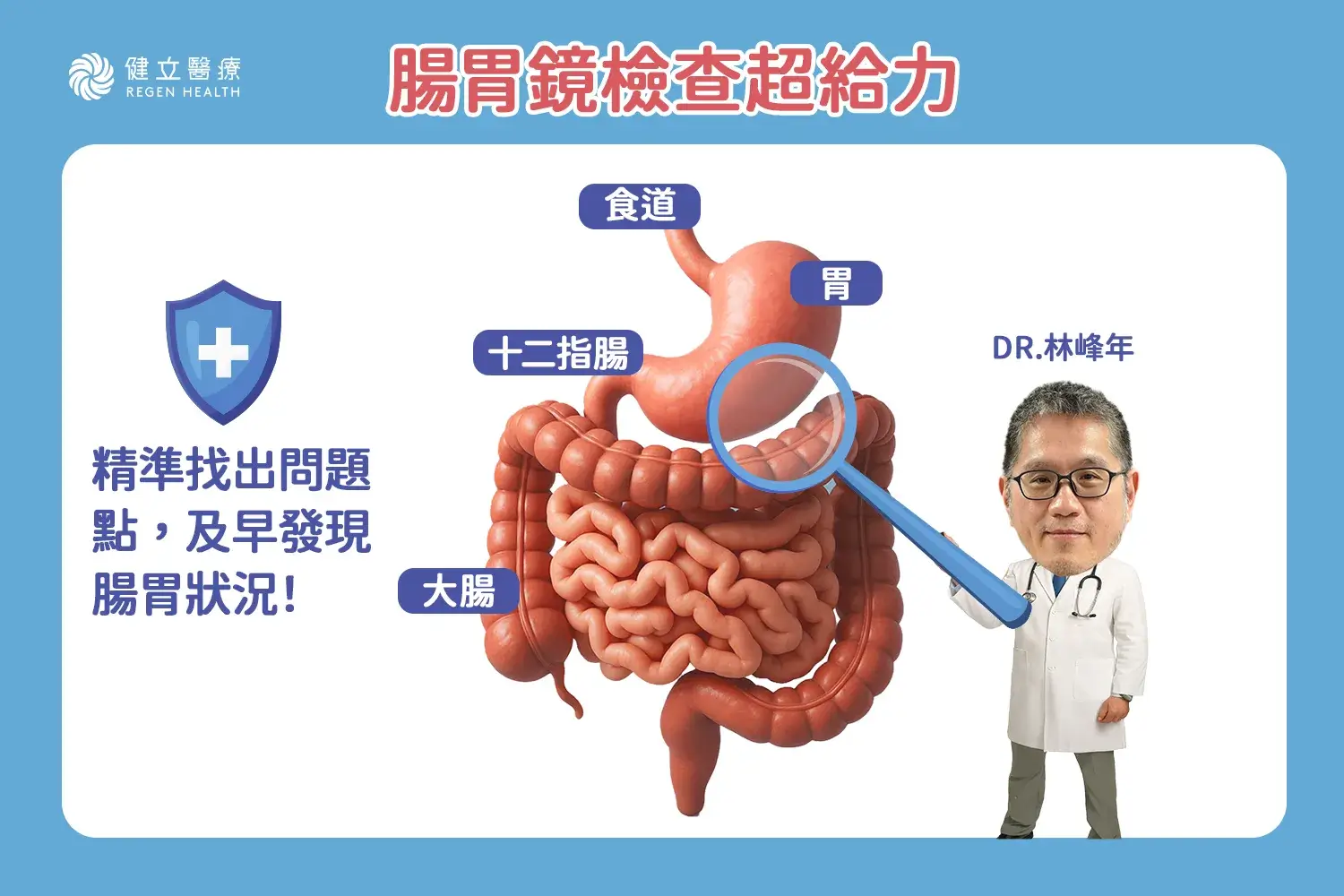
Happy Endoscopy: One-Stop Polyp Removal to Eliminate the Threat of Gastrointestinal Cancer!
Why is a Gastrointestinal Endoscopy an Essential Check for Protecting Your Health?
- Prevention is better than cure: 90% of colorectal cancers develop from adenomatous polyps. Timely removal via endoscopy can almost completely block the pathway to cancer.
- Accurate diagnosis: Provides the most direct diagnostic basis for gastric ulcers, gastroesophageal reflux, chronic gastritis, and early-stage gastrointestinal cancers.
How to Overcome Fear of Gastrointestinal Endoscopy: 4 Key Strategies to Reduce Discomfort During the Procedure
- Advantage: No memory of the procedure and no pain, completely eliminating the foreign-body sensation and psychological stress during the examination.
- Advantage: GenLi Clinic provides personalized bowel prep plans, adjusting medications according to individual constitution, significantly improving the previously uncomfortable or overly diarrhetic prep process.
- Advantage: Shortens procedure time, reduces tissue traction, and even in non-sedated procedures, maintains a high level of comfort.
- Advantage: Faster and more accurate examinations. Advanced equipment reduces repeated scanning time and allows one-stop removal of detected lesions, lowering both physical and psychological burden on the patient.
The Four Core Advantages of Dr. Lin Feng-Nian’s “Happy Endoscopy”
- Painless Sedation Mode: Fully monitored by a professional anesthesiologist, patients enter deep sleep and awaken with the procedure complete.
- Non-Sedated Gentle Mode: Thanks to Dr. Lin’s delicate technique, even fully awake patients experience minimal pulling or discomfort.
Who Should Undergo Gastrointestinal Endoscopy? (High-Risk Groups)
- Digestive symptoms: Persistent abdominal pain, acid reflux, difficulty swallowing, blood in stool, changes in bowel habits, or unexplained weight loss.
- Underlying health issues: Chronic gastritis, history of peptic ulcers, or previously detected polyps.
- High-risk groups: Family history of colorectal or gastric cancer, or age 45 and above (regular follow-up every 2–3 years is recommended).
GenLi Clinic “Happy Endoscopy” Screening Process
- Pre-Procedure Preparation: Professional guidance on a low-residue diet and bowel-cleansing medication to ensure a clean intestine and avoid missed lesions.
- High-Definition Imaging Scan: Uses advanced imaging systems (HD quality + optical enhancement) to minimize blind spots.
- Immediate Intervention: Any detected polyps are removed on the spot and sent for pathological analysis.
- Post-Procedure Care: The physician explains the examination results in detail and provides guidance on diet and ongoing health management.
Common Questions About Gastrointestinal Endoscopy
Why is a colonoscopy and gastroscopy necessary? Can’t a blood test be used instead?
Blood tests or fecal occult blood tests should only be used as a reference. Gastroscopy and colonoscopy are currently the only tools with both diagnostic and therapeutic functions. They can directly detect and immediately remove tiny polyps, a physical preventative measure that blood tests or CT scans cannot provide.
Is a gastroscopy or colonoscopy painful?
Our hospital offers “painless and sedative colonoscopy and gastroscopy,” where anesthesiologists administer sedation medication, resulting in virtually no pain or memory of the procedure. Even if you choose not to have anesthesia, Dr. Lin Feng-nian’s precise and gentle technique significantly reduces the discomfort associated with traditional examinations.
Can gastroscopy and colonoscopy be performed simultaneously?
Yes, it’s possible. Performing it simultaneously not only saves on the number of bowel cleanses and anesthesia sessions, but also provides a comprehensive assessment of the digestive health from the esophagus and stomach to the large intestine. It is especially recommended for people with anemia or weight loss issues.
Will I feel anything after polyp removal?
No. There are no pain receptors inside the intestinal mucosa, so the patient will not feel any pain during the polyp removal process.
Do you have to finish drinking the entire laxative?
Yes. The degree of bowel preparation directly affects the accuracy of the examination. If feces remain in the intestines, it may obscure small lesions (such as flat polyps), or even force the examination to be interrupted or rescheduled.
Can I drive or go to work immediately after the check-up?
If a painless (sedation) examination is performed, there will be temporary drug residue after the procedure. **Absolutely do not drive, ride a bicycle, or engage in high-risk procedures.** It is recommended that you be accompanied home by a family member or friend and rest until the following day.
What dietary precautions should be taken after polyp removal?
Abdominal bloating is normal within a few hours after the examination. Avoid spicy foods and heavy lifting for several days after the procedure. If polyps have been removed, follow your doctor’s instructions for a soft diet (such as porridge or white toast) for 3-5 days.
How often should a colonoscopy be performed?
It is generally recommended that people over 45 years of age undergo this procedure every 2-3 years. However, if there is a family history of cancer or adenomatous polyps have been found, the frequency should be reduced to once a year or as advised by a physician.
—
## **This website is intended for introducing medical knowledge and health education. Any differences between the names in this content and the official package inserts (such as uses beyond the approved indications or colloquial terms) are for public understanding and reference only; official treatment/device names, effects, and related information are subject to explanation by a licensed physician.
Related Articles
CASE Testimonials Emma is a stay-at-home mom who had been struggling with postpartum weight gain for a long time and couldn’t get her figure back. After undergoing gastric botulinum toxin treatment, she successfully lost 20 kilograms and regained her health and confidence! “I’m not unwilling to try;