
Pain and Anesthesia
Nerve Block Injection
Pain and Anesthesia
Nerve Block Injection
Coccygeal Nerve Block Injection

Table of Contents
Coccygeal Nerve Block Injection | A New, Targeted Option for Pain Relief: Say Goodbye to Lower Back Pain and Sciatica
Chronic lower back pain, sciatica, or pelvic radicular pain can significantly impair one’s quality of life. “Coccygeal nerve block injections” are a safe, precise, and non-invasive pain management treatment, particularly suitable for those who wish to alleviate their pain but prefer to avoid surgery or long-term medication.
What is a coccygeal nerve block injection?
A "sacral nerve block injection" does not involve blocking the nerve; rather, it involves injecting medication through the sacral hiatus into the epidural space at the base of the spine.
This space contains fatty tissue, blood vessels, lymphatic vessels, and nerve roots. The medication diffuses upward along the nerve pathways, providing relief for conditions such as herniated discs, sciatic nerve compression, chronic lower back pain, and neuropathic pain in the pelvis and lower limbs.The physician uses ultrasound or X-ray guidance to precisely locate the target area and inject the medication directly into the affected region, effectively suppressing inflammatory responses, reducing nerve compression and swelling, and achieving long-lasting pain relief.
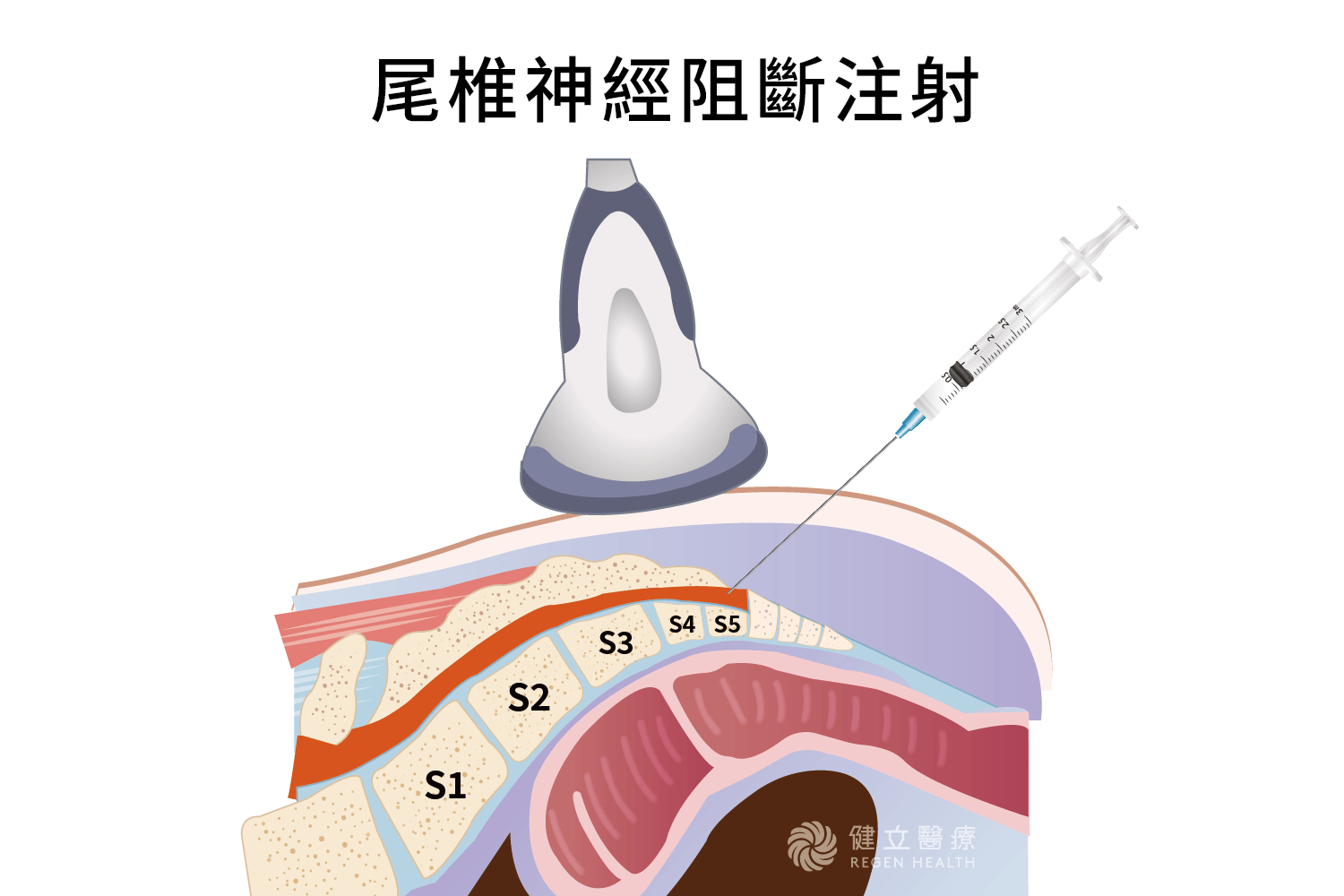
Why is a coccygeal nerve block performed?
Many cases of lower back or leg pain are caused by nerve compression or chronic inflammation. When medication and physical therapy fail to provide effective relief, or when surgery is not an option, a coccygeal nerve block can serve as an ideal intermediate treatment option. This procedure can provide sustained pain relief for several weeks to several months while improving mobility and helping patients regain their quality of life.
Common Symptoms and Indications for Coccygeal Nerve Block
- Herniated disc, spinal stenosis / Radiating pain caused by compression of the sciatic nerve.
- Chronic lower back pain and sciatica / stiffness in the lower back, radiating to the buttocks or the back of the thigh.
- Neuropathic pain in the pelvis or lower limbs / such as post-surgical nerve adhesions or chronic pain.
- Degenerative disc disease or post-surgical pain / Patients experiencing persistent pain following surgery.
Who is a good candidate for a coccygeal nerve block?
- Office workers (such as the elderly or those with chronic illnesses)
- People who sit for long periods, office workers, and drivers
- Individuals experiencing lower back and hip nerve pain or radiating pain after exercise
- Those for whom rehabilitation has been ineffective or who experience significant side effects from medication
Benefits of Coccygeal Nerve Block Therapy
Coccygeal nerve block is clinically considered a highly safe, low-risk method of pain relief:
- High safety: The injection site is located below the spinal canal, making it unlikely to accidentally damage the spinal cord.
- Wide-ranging pain relief: The anesthetic solution can cover multiple nerve roots, making it suitable for pain involving multiple segments or both sides.
- Precise guidance: Utilizing ultrasound or X-ray imaging for more accurate targeting.
- Quick recovery: Most patients can return home on the same day as treatment.
- Reduced medication dependency: It can decrease the need for long-term oral pain medications or steroids.
Differences Between Coccygeal Nerve Block Injections and Other Injection Methods
Procedure | Coccygeal Nerve Block | Transforaminal Epidural Injection (TFESI) | Erector Spinae Plane Block (ESP Block) |
|---|---|---|---|
Injection Site | Access to the epidural space through the sacral hiatus | Direct injection adjacent to the nerve root exit foramen | Inject the solution submuscularly |
Indications | Multilevel or widespread pain | Radiating pain due to compression of a single nerve root | Chronic back pain, myofascial inflammation |
Advantages | Safe and wide coverage | Precise targeting of localized pain | Non-invasive, low risk |
Suitable for | Elderly individuals, post-surgical patients, and those with chronic lower back pain | Patients with confirmed herniated discs | Those unable to undergo epidural injections |
Common Side Effects and Risks of Coccygeal Nerve Block
Coccygeal nerve blocks are considered a low-risk procedure, but temporary side effects may still occur:
- Mild soreness or tenderness at the injection site
- Temporary numbness or a sensation of heaviness in the lower limbs (resolves within 6–12 hours)
- Rarely, elevated blood sugar levels in some diabetic patients
- Rare complications: infection, epidural hematoma, nerve damage (extremely low probability)
Jianli Clinic uses real-time ultrasound guidance, which significantly reduces the risk of complications.
Coccygeal nerve block injections are a safe, effective, and non-invasive method of pain relief, particularly suitable for individuals suffering from chronic lower back pain, sciatica, or post-surgical pain. At Jianli Clinic, our team of specialized physicians combines image guidance with regenerative medicine to help you overcome pain, regain mobility, and reclaim your freedom and quality of life.
Frequently Asked Questions About Coccygeal Nerve Block
How does nerve block relieve pain?
Doctors use guided imaging to precisely inject anesthetics and steroids into the lesion. The anesthetics immediately block pain signal transmission, while the steroids reduce inflammation and relieve pain within 3–5 days, providing pain relief for weeks to months.
Will I be able to walk after treatment? How long will I need to rest?
Numbness or heaviness in the lower limbs may occur after treatment. It is recommended to avoid walking, cycling, or driving for 6–12 hours. Avoid bathing, massage, and strenuous exercise for 3 days.
Is it suitable for lower back pain, sciatica, and thigh numbness?
If the pain is related to nerve compression, coccyx block is very effective; however, if it is a muscle or fascia problem, it may need to be combined with SIS super magnetic energy or PRF regeneration therapy.
Will the injection hurt a lot? Will I need general anesthesia?
Local anesthesia is sufficient to complete the procedure, and most patients experience only a brief feeling of pressure or soreness, without the need for general anesthesia.
What is the difference between nerve block and regular pain relief injection?
Painkillers have a systemic effect and only provide temporary relief; nerve blocks, on the other hand, are administered to specific inflamed nerves, resulting in more precise pain relief and a longer-lasting effect.
Can elderly people or those who cannot undergo surgery have this done?
Yes. After evaluation by a physician, coccyx lockout is a safe, low-risk option that can effectively improve pain and enhance quality of life.
What are the treatment specialties of Jianli Clinic?
Image-guided technology: High-resolution ultrasound/X-ray for precise positioning, safe and error-free.
Specialist operation: Performed by orthopedic and pain management specialists, ensuring stable therapeutic effects.
One-stop integrated treatment: Can be combined with SIS super magnetic energy and PRP/PRF regenerative therapy to comprehensively accelerate repair.
**This website is intended to provide information on new medical developments and health education. Any discrepancies between the terms used in this content and those in the package insert (including descriptions of uses not covered by the approved indications or colloquial terms) are provided solely for the public’s understanding and reference; the official names of treatments and devices, as well as their effects, are subject to the physician’s personal explanation.
Related Articles
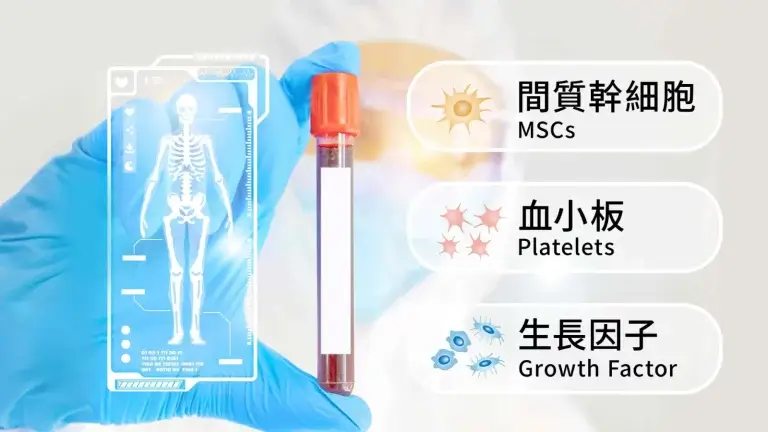
Regenerative Medicine Integrative Medicine Regenerative Therapy Please enter a title here Table of Contents Turning On the Body’s Repair Switch: How Does BMAC (Autologous High-Concentration Bone Marrow Concentrate) Reshape the Joint Microenvironment? Have you ever wondered why, even after multiple

Regenerative Medicine Integrative Medicine Regenerative Therapy Please enter a title here Table of Contents Unlocking the Joints’ Natural Healing Power: PRP Regenerative Therapy and a Holistic Anti-Aging Care Plan PRP (Platelet-Rich Plasma) is one of the core technologies in modern regenerative med

Regenerative Medicine Integrative Medicine Regenerative Therapy Please enter a title here Table of Contents All-Natural Tissue Regeneration | A Guide to the Sustained-Release Effects of PRF and Joint Self-Healing PRF (Platelet-Rich Fibrin) is a cutting-edge therapy in modern regenerative medicine. B

Regenerative Medicine Integrative Medicine instrument Please enter a title here Table of Contents MCS+ Blood Purification | Thorough Vascular Cleansing, Reducing the Risk of High Blood Pressure, High Cholesterol, and High Blood Sugar Why do modern people need blood purification? The high-pressure pa

Regenerative Medicine Integrative Medicine Bit by bit Please enter a title here Table of Contents Vitality Intravenous Drip | High-purity nutritional replenishment, restarting vital circulation, and improving fatigue. Why choose intravenous infusion? To overcome the bottleneck of oral absorption. M
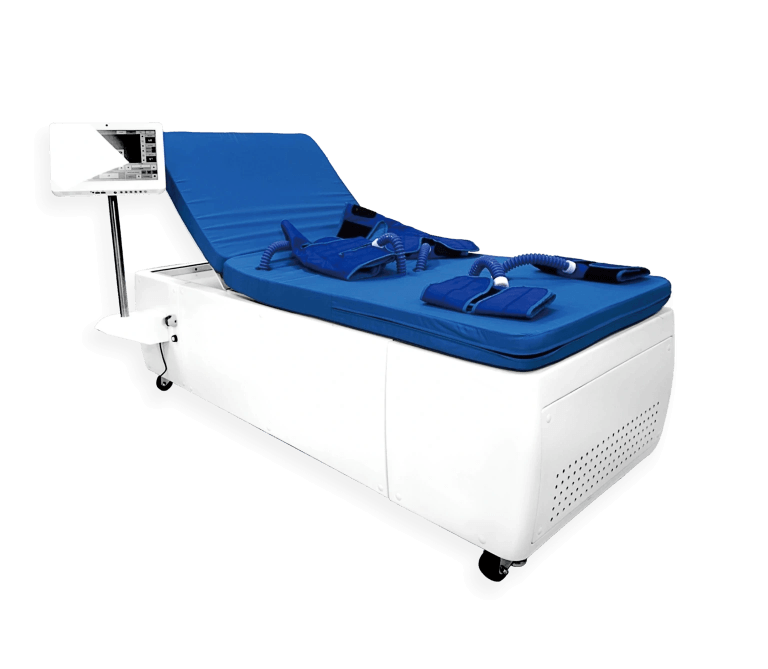
Regenerative Medicine Integrative Medicine instrument Please enter a title here Table of Contents EECP (External Counterpulsation) | Non-surgical, natural vascular bypass therapy to enhance cardiac circulation. What is EECP (Extracorporeal Counterpulsation)? (Non-invasive Circulation Optimization)
