
Core Technology
PRF “Autologous High-Concentration Platelet-Rich Fibrin” Regenerative Technology
Key Regenerative Mechanism to Activate the Body’s Self-Healing Ability
PRF (Autologous High-Concentration Platelet-Rich Fibrin) is an innovative technology that combines medical science with the body’s natural healing power. By extracting growth factors and active cells from the patient’s own blood, it promotes tissue repair, reduces inflammation, and alleviates pain, serving as a core technique in modern regenerative medicine.
What is PRF?
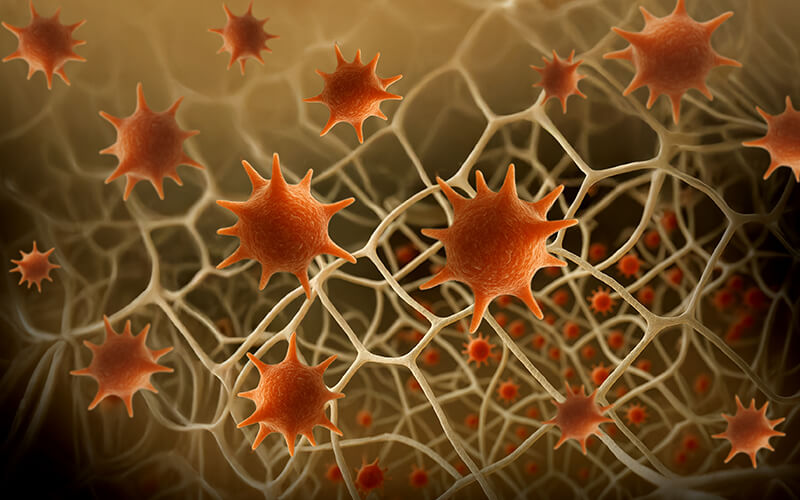
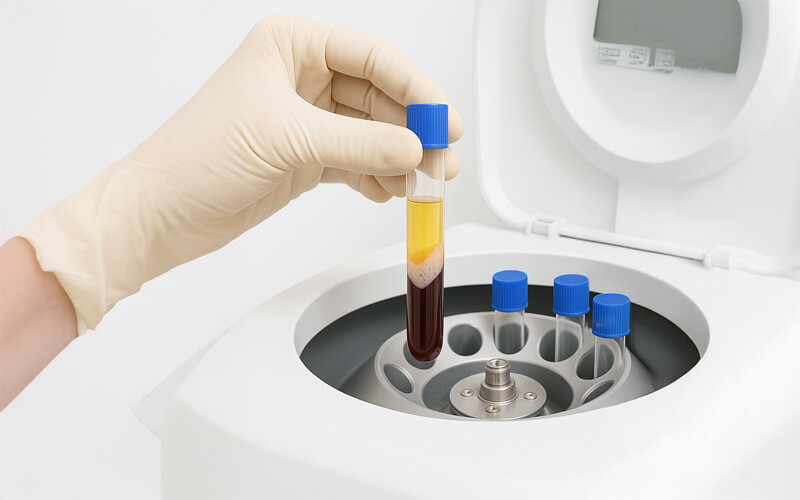
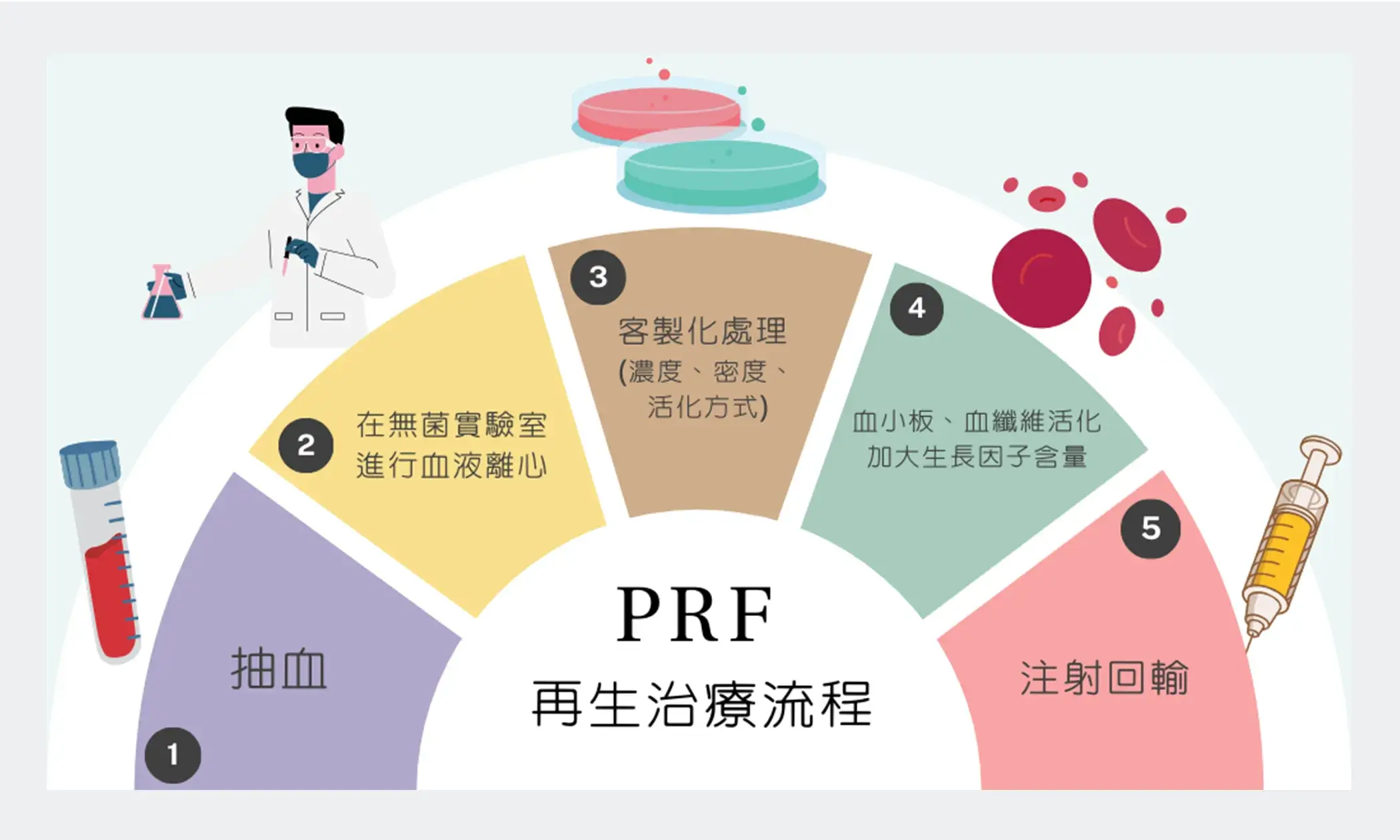
PRF (Platelet-Rich Fibrin, Autologous High-Concentration Platelet-Rich Fibrin) is a regenerative repair technology derived from the patient’s own blood. After centrifugation, the platelets, white blood cells, and fibrin in the blood are concentrated into a three-dimensional network, forming a natural repair material rich in growth factors and active cells. This technique requires no added anticoagulants or artificial drugs, relying entirely on the body’s own healing power, making it safe, natural, and capable of long-lasting repair.
PRF Components and Functions Overview
| Component | Function |
| Platelets | Release multiple growth factors to initiate repair responses |
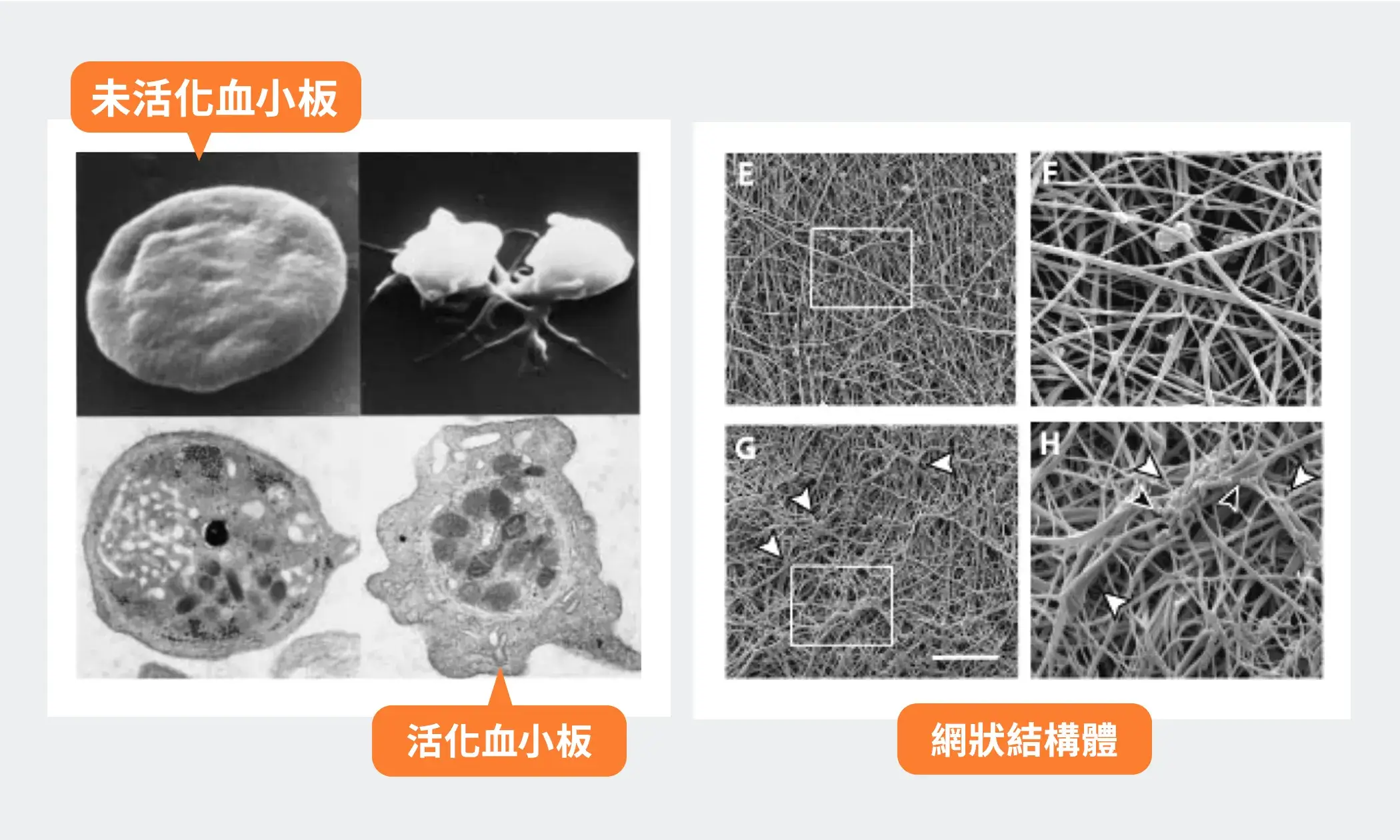
| Fibrin Matrix | Provides a platform for sustained growth factor release and serves as a cellular scaffold |
| Exosomes | Transmit repair signals and promote cellular communication |
| Growth Factors (PDGF, TGF-β, VEGF, etc.) | Promote angiogenesis, tissue repair, and collagen synthesis |
Three-Dimensional Fibrin Matrix: Smart Sustained-Release Repair Platform
The core of PRF is its unique three-dimensional fibrin network structure. This natural scaffold is not merely a passive filler but an activated “smart repair carrier”. Once injected into tissue, it acts like a “biological reservoir,” continuously releasing essential components needed for repair.
Sustained Slow Release of Repair Factors
The 3D structure of PRF enables long-lasting and stable release of growth factors such as PDGF, TGF-β, and VEGF, promoting angiogenesis, tissue repair, and anti-inflammation. Combined with exosomes and active platelets, these factors act continuously on damaged tissue through a slow-release mechanism, achieving long-term regeneration.
Promotes Cellular Repair and Tissue Regeneration
Growth factors released by PRF activate cell regeneration, stimulate proliferation and differentiation, accelerate collagen synthesis, and promote new tissue formation. This rebuilds damaged structures, restores elasticity and function, and is widely applied in joint repair, wound healing, aesthetic rejuvenation, and hair restoration treatments.
Anti-Inflammatory and Pain-Relief Mechanism
PRF not only supports tissue repair but also reduces inflammation and alleviates pain, making it a natural, safe, and drug-free solution for pain management.
Who is Suitable for PRF Treatment?

Individuals with Joint Degeneration or Chronic Joint Pain

Individuals with Tendon or Ligament Injuries

Individuals Seeking to Improve Skin Texture, Fine Lines, and Sagging
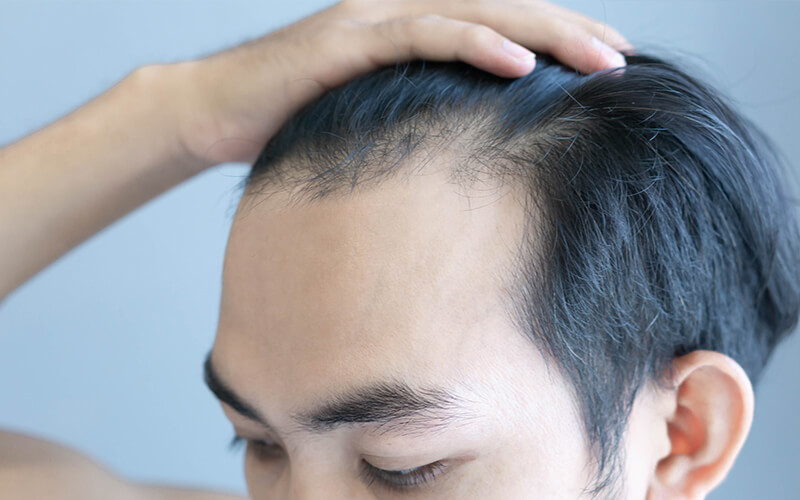
Individuals Experiencing Hair Loss or Reduced Hair Follicle Activity

Orthopedics & Sports Medicine
- Osteoarthritis: PRF injections can relieve pain, reduce inflammation, and stimulate cartilage cell regeneration.
- Tendon and Ligament Injuries: Conditions such as tennis elbow, plantar fasciitis, and rotator cuff injuries can heal faster with PRF.
- Fractures and Bone Defects: When combined with bone graft materials, PRF promotes bone formation and healing.
- Cartilage Repair: Provides a regenerative scaffold to improve joint mobility and elasticity.

Aesthetic Medicine & Dermatology
- Skin Rejuvenation: PRF injections stimulate collagen production, improving fine lines, uneven skin tone, and sagging.
- Androgenic Alopecia and Hair Loss Treatment: Scalp injections activate hair follicles and promote hair regrowth.
- Scar Repair and Chronic Wound Healing: Growth factors in PRF promote tissue remodeling and accelerate repair.
Regen Clinic PRF Therapy: Four Key Features and Advantages
High-Specification Cleanroom
PRF is prepared in a medical-grade sterile environment, ensuring high purity, strong activity, and safe, stable results.
Precision Customized Preparation
Centrifugation parameters are adjusted based on individual conditions to achieve optimal concentration and repair efficiency.
Image-Guided Injection
Ultrasound-guided precise delivery directs growth factors straight to the lesion, accelerating repair.
Personalized Regenerative Treatment
Treatment plans are tailored according to age and physical condition, providing sustained release of repair factors for natural, long-lasting effects.
PRF國際臨床應用
參考文獻:
1. “Current Progress of Platelet-rich Derivatives in Cartilage and joint repairs”, Int. J. Mol. Sci. 2023,24,12608.
2. “The efficacy of Platelet-Rick Plasa and Platlet-Rich Fibrin in Arthroscopic Rotator Cuff Repair”Eoghan T. Hurley, Daren Lim Fat, MCh, FEBOT.
3. “Leukocyte and Platelet Rich Plasma Versus Leukocyte and Platelet Rich Fibin for Articular Cartilage Repair of the Knee: A Comparative Evaluations in an animal model”, Iran Red Crescent Med J. 2015 October 17(10):e19594
相關應用治療連結文字標題
文字簡述文字簡述文字簡述文字簡述文字簡述文字簡述
相關應用治療連結文字標題
文字簡述文字簡述文字簡述文字簡述文字簡述文字簡述
相關應用治療連結文字標題
文字簡述文字簡述文字簡述文字簡述文字簡述文字簡述
常見問題
What should be done if the examination reveals that the joint has degeneration or inflammation?
Rest assured, Jianli Clinic not only provides examinations but also focuses on follow-up treatments. Our professional medical team will develop a personalized treatment plan based on your precise analysis results.
I only experience occasional knee pain. Do I need to have a full-body joint checkup?
A check-up is recommended. Joint degeneration is insidious and gradual; besides the knees, the cervical and lumbar spine often experience wear and tear without anyone noticing. An early full-body check-up can detect abnormalities in the early stages of cartilage wear, significantly reducing the risk of future joint replacement surgery.
How does BMAC “reshape the joint environment”?
By blocking inflammation through the IL-1RN protein, BMAC shifts the environment to a “repair mode.” Unlike simple pain relief, BMAC modulates the immune response, fundamentally improving chronic inflammation and allowing damaged tissues to repair themselves in a superior biological environment.
