
Orthopedic Pain
Shoulder & Shoulder Joint
Orthopedic pain
Shoulder joint
Rotator Cuff Tear

Table of Contents
Can't lift your shoulder high, and the pain gets worse the more you use it? Be careful—it might be a rotator cuff tear warning you that it's more than just fatigue.
Have you ever noticed that your shoulder hurts more and more, even though you haven’t actually bumped it? Do you find that you can’t seem to muster the strength to raise your arm, no matter how hard you try
? Many people assume it’s just a muscle strain, a natural part of aging, or even mistake it for frozen shoulder, so they choose to endure the pain, apply a medicated patch, or rest and wait to see if it gets better. But in reality, these seemingly everyday discomforts could very well be a sign that a “rotator cuff tear” is quietly developing.
What is a rotator cuff tear?
A rotator cuff tear (rotator cuff rupture) refers to a partial or complete tear in the four tendons surrounding the shoulder joint—the subscapularis, supraspinatus, infraspinatus, and teres minor—caused by degeneration, overuse, or trauma. These tendons form a "sleeve" that surrounds the shoulder joint and are responsible for:
- raising, abducting, and rotating the arm
- Maintaining shoulder joint stability
Once damaged, the shoulder is prone to pain, weakness, and difficulty raising the arm.
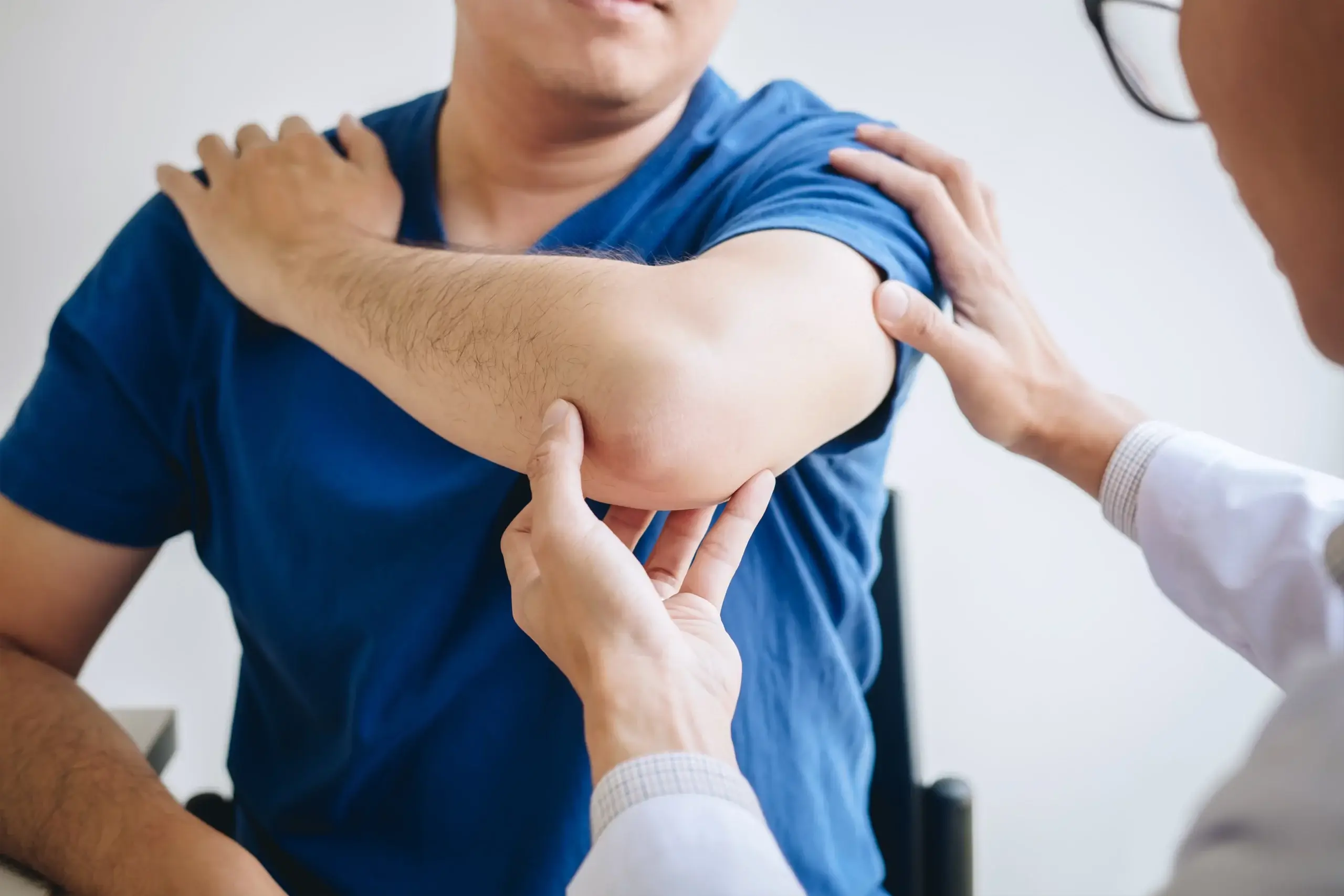
Common Causes of Rotator Cuff Tears
Acute Injury
- Using your hands to brace yourself when falling
- Lifting heavy objects
- A blow to the shoulder during sports
Commonly seen in sports injuries or accidental trauma
Chronic Degeneration
- Long-term repetitive use of the shoulder
- Age-related tendon degeneration and loss of elasticity
- Long-term wear and tear and inflammation of the tendons, eventually leading to a tear
The most common cause among middle-aged and older adults
Typical symptoms of a rotator cuff tear
- Shoulder pain: particularly noticeable when raising the arm or rotating it outward
- Nighttime pain: Pain often wakes the patient when lying on the affected side
- Limited range of motion: Unable to raise the arm; feels stiff or restricted
- Decreased muscle strength: Inability to lift heavy objects; weakness in the arm
If the pain is accompanied by "increasing inability to raise the arm" and "increasing weakness," a rotator cuff tear should be strongly suspected.
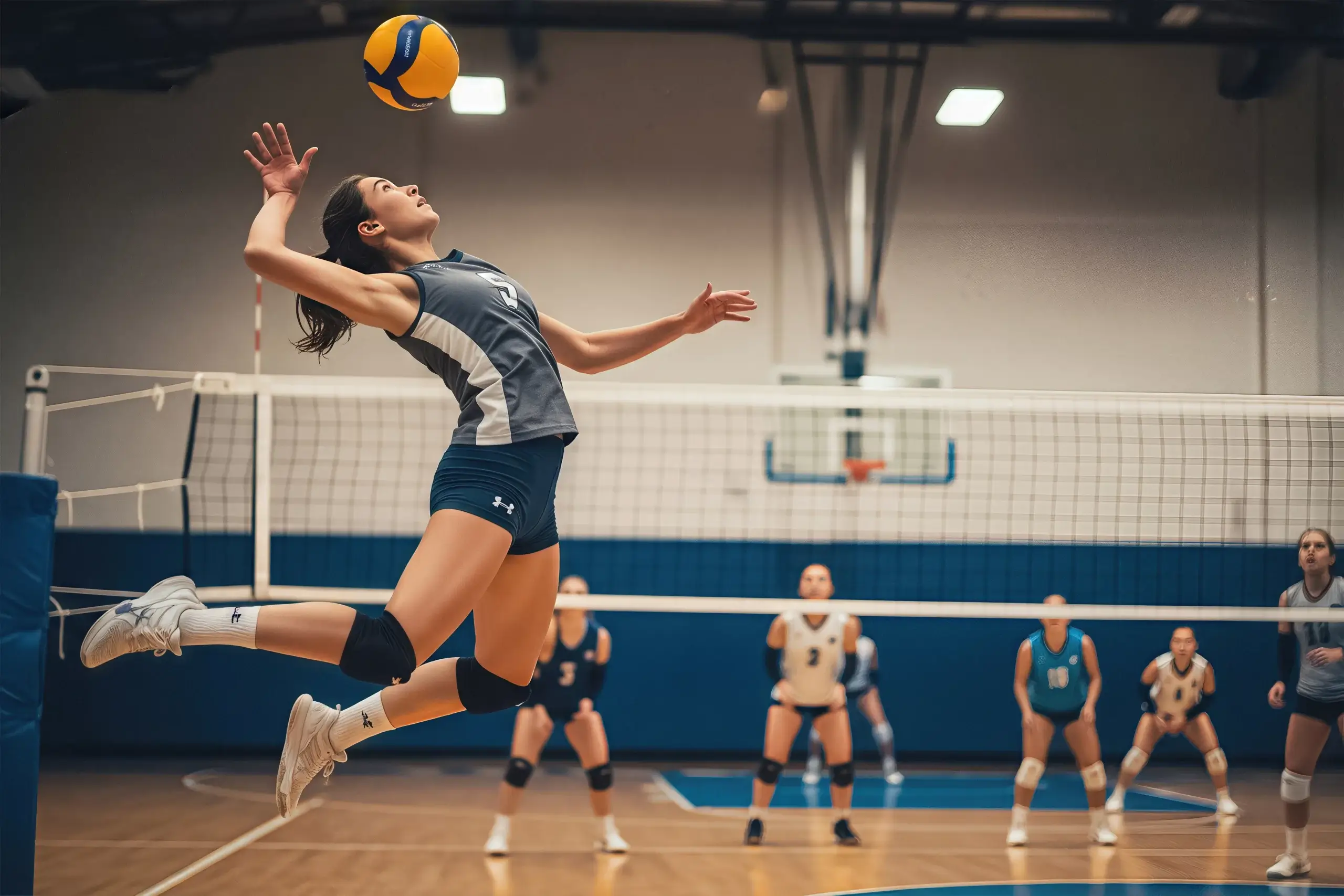
Who is at high risk for rotator cuff tears?
- Athletes:
baseball, badminton, volleyball, swimming - Natural tendon
degeneration in older adults - People who work with their arms raised for long periods: logistics workers
, chefs, homemakers - Individuals with a history of shoulder injuries or car accidents
- Individuals with poor
posture (rounded shoulders, hunched back, abnormal scapular movement)
How is a rotator cuff tear treated?
Treatment is categorized based on the severity of the tear: conservative treatment → injection therapy → surgical treatment. Most patients can begin with non-invasive methods.
1. Conservative Treatment (First-Line)
Objectives: Pain relief, reduction of inflammation, and restoration of function
- Rest and avoidance of overuse
- Physical therapy: Heat therapy, ice therapy, electrotherapy, ultrasound, laser therapy, microwave therapy
- Manual therapy: Improving joint mobility, correcting compensatory postures
- Rehabilitation exercises: Stretching + strength training to strengthen the scapular stabilizing muscles
👉 Suitable for mild or partial tears
2. Injections and regenerative therapies:
Steroid injections
- Rapid anti-inflammatory and pain relief
- Not recommended for repeated use; no reparative effect
PRP / PRF Regenerative Therapy
- Derived from the patient’s own blood, rich in growth factors
- Injected into the tear site under ultrasound guidance
- Promotes tendon repair and collagen production
👉 Suitable for partial tears and cases where conservative treatment has been ineffective
Amniotic Membrane Injection / Nerve Decompression
- Used for pain management and relief of nerve compression
3. Advanced Physical Therapy
: SIS Super Magnetic Therapy
- Non-invasive high-intensity electromagnetic field
- Deep stimulation of nerves and muscles
- Rapid pain relief, improved mobility, and enhanced healing
High-Energy Laser, Extracorporeal Shock Wave Therapy (ESWT)
- Promotes tissue regeneration and improves chronic tendon conditions
4. Surgical treatment is indicated
for: Complete tendon tears
- Severe functional impairment
- Cases unresponsive to conservative or injection therapy
Common procedures include arthroscopic rotator cuff repair of the shoulder; comprehensive rehabilitation is required post-surgery to prevent recurrence.
Key Advantages of Jianli Clinic’s Treatment for Rotator Cuff Tears
PRP / PRF Regenerative Injections
- Ultrasound-Guided Precision
- Activates the body’s natural healing mechanisms
- Focusing on "Repair" Rather Than Merely Pain Relief
SIS Super Magnetic Energy
- Rapid Pain Relief, No Surgery Required
- Improves stiffness and restricted mobility
- Accelerates recovery of chronic tendons
Manual Therapy
- Precise Assessment of Movement Issues
- Customized treatment intensity
- Enhance function and prevent recurrence
Key Points for Daily Prevention and Care of the Rotator Cuff
- Proper Posture: Avoid Rounded Shoulders and a Hunchback
- Warm up before exercise and stretch afterward
- Avoid sudden, excessive strain
- Strengthen shoulder stability and core muscles
Frequently Asked Questions About Rotator Cuff Tears
What is a rotator cuff tear? Is it the same as a shoulder strain?
They are different.
A rotator cuff tear is a partial or complete rupture of the shoulder tendon, a structural injury; a typical muscle strain is usually a temporary inflammation or micro-tear of the fibers. If you experience shoulder weakness, inability to raise your shoulder high, or nighttime pain, a rotator cuff tear should be highly suspected, rather than a simple strain.
Does a rotator cuff tear always require surgery?
Not necessarily.
Most partial or mild to moderate tears can be treated conservatively first, such as rehabilitation, physical therapy, PRP/PRF injections, and SIS (Super Magnetic Resonance Therapy). Surgery will only be evaluated if there is a complete tear or if conservative treatment is ineffective.
Will a torn rotator cuff heal on its own?
Most tears will not heal completely on their own.
Tendons have limited repair capabilities; without proper treatment, the tear may continue to become inflamed, worn down, and even widen. Early intervention and rehabilitation can effectively prevent deterioration and improve functional recovery.
What’s the difference between a rotator cuff tear and frozen shoulder?
The two are often confused, but are fundamentally different:
Rotator muscle tear: A tendon injury; the patient cannot lift their arm themselves, but others can assist in raising it.
Frozen shoulder (adhesive capsulitis): Adhesion of the joint capsule, limiting both active and passive movement.
Accurate diagnosis greatly influences the treatment approach.
What symptoms should raise suspicion of a rotator cuff tear?
Common warning signs include:
- Significant pain or weakness when raising the arm
- Nighttime shoulder pain, waking up in pain when sleeping on your side
- Gradually decreasing range of motion in the shoulder joint
- Difficulty lifting heavy objects, dressing, and combing hair
If symptoms persist for more than 2–4 weeks, further examination is recommended.
Are PRP or PRF really effective for rotator cuff tears?
It is helpful for partial tears or chronic tendon injuries.
PRP/PRF contains a high concentration of growth factors and can be precisely injected into the tear site under ultrasound guidance to promote tendon repair and collagen production. It is a “repair treatment” rather than simply pain relief.
What role does SIS (Super Magnetic Energy Therapy) play in rotator cuff tears?
SIS (Super Magnetic Energy) is a non-invasive, high-intensity electromagnetic therapy that can:
**Rapidly relieve shoulder pain**
**Relax stiff muscles and improve range of motion**
**Stimulate neuromuscular reeducation and strengthen shoulder joint stability** Often used in conjunction with PRP/rehabilitation to enhance overall treatment effectiveness.
Is rehabilitation necessary after treatment for a rotator cuff tear?
Absolutely.
Regulation is crucial regardless of whether it’s conservative treatment, injection therapy, or post-surgery. Through progressive stretching and strength training, shoulder mobility can be restored, scapular stabilizing muscles strengthened, and the risk of recurrence significantly reduced.
Related Articles
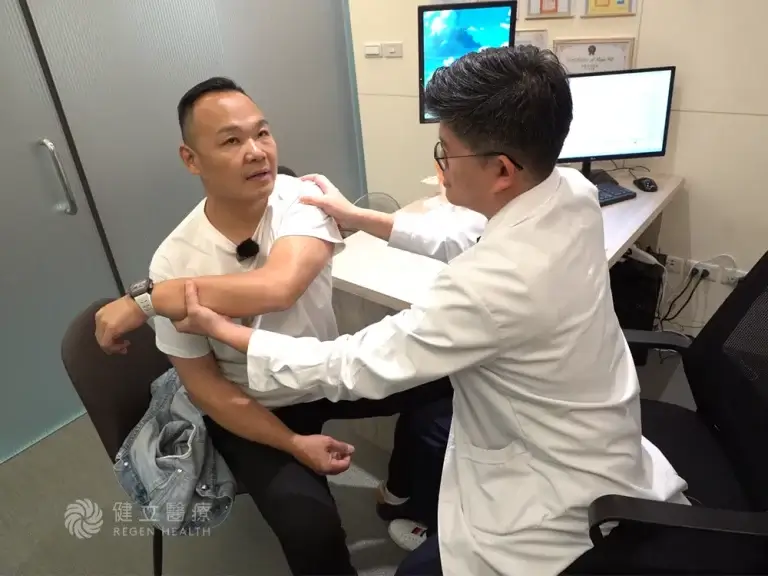
CASE Testimonials Mr. Xie, the owner of Hongda International, has maintained a regular fitness routine for many years, yet he has been plagued by a five-year-old shoulder injury that prevented him from raising his arm smoothly and even caused him to wake up in pain when turning over in bed at night.

Regen Health What is a sports injury? Why does it occur? Sports injuries refer to damage to muscles, bones, ligaments, tendons, or joints caused by external impact, repetitive overuse, or improper posture during physical activity. Many people think injuries only happen to professional athletes, but
