
Orthopedic Pain
Lower Back & Lumbar Pain
Orthopedic pain
Neck and cervical spine
Lumbar disc herniation

Table of Contents
Don’t ignore lower back pain any longer! A herniated disc may be compressing your nerves.
Will a herniated disc heal on its own? We break down common symptoms, warning signs, and non-surgical treatment options to help you determine whether your lower back pain or leg numbness is caused by nerve compression—and avoid ineffective treatments. Will a
herniated disc heal on its own?When the pain is so severe that your legs go numb and you can barely walk, your body is actually crying out for help! Why is everyone asking, “Do I have a herniated disc?” Statistics show that over 80% of people will experience lower back pain at some point in their lives, and many of them will suffer from pain severe enough to cause leg numbness and difficulty walking. In these cases, a “herniated disc” is likely the culprit.
What is a herniated disc?
Intervertebral discs are like "elastic water balloons" between the vertebrae, responsible for absorbing pressure and stabilizing the body. However, poor posture, prolonged heavy lifting, or external impact can cause the outer layer (annulus fibrosus) of this "water balloon" to rupture, allowing the inner "fluid" (nucleus pulposus) to leak out and compress the nerves, resulting in a "herniated disc."Imagine a burst water balloon—that’s what we commonly refer to as a “herniation”!
Typical symptoms of a herniated disc
Common locations: Lumbar spine (L4-L5, accounting for approximately 90%), cervical spine. Symptoms vary depending on the location of the compression:
Cervical disc protrusion:
- Neck pain
- Numbness, tingling, and pain in the upper limbs (numbness in the hands)
- Weakness in the upper limbs
- Shoulder pain and weakness
Lumbar disc herniation:
- Lower back pain
- Sciatica
- Numbness in the lower limbs (numb feet)
- Weakness in the lower limbs
- Cauda equina syndrome (severe nerve compression affecting bladder and bowel function)
Who is at high risk for a herniated disc?
- Office workers and others who spend long periods sitting or standing—such as office staff, engineers, and teachers
- Manual laborers—porters, food service workers, nurses
- People with chronic poor posture—smartphone users, those who scroll on their phones, or those who cross their legs
- Overweight individuals—BMI > 27
- Ages 30–60—slightly more men than women
Causes of Herniated Discs: Small Movements Can Cause Major Damage
| Causes | Explanation |
|---|---|
| Age-related degeneration | Age-related loss of moisture and reduced elasticity of the intervertebral discs |
| Poor Posture | Slouching, prolonged sitting, prolonged standing, and forward head posture |
| Excessive Weight | Increased pressure on the spine leading to annulus fibrosus rupture |
| Occupational habits | People who frequently bend over to lift heavy objects or computer workers with poor posture |
Does sciatica mean a herniated disc?
| Types | Herniated Disc | Piriformis Syndrome |
|---|---|---|
| Source of Compression | Intervertebral disc compressing the nerve | Piriformis muscle compressing the sciatic nerve |
| Pain Areas | Lower back pain, leg pain, numbness extending to the soles of the feet | Buttock pain, leg numbness |
| Self-Check | Straight-leg raise test triggers pain | Pain when sitting and pressing on the legs or buttocks |
| Medical examination tools | X-ray, MRI | Ultrasound, MRI |
How is a herniated disc treated?
1) Conservative treatment
Medication for pain relief, physical therapy, rehabilitation, postural correction, lumbar
traction, heat therapy and electrotherapy, core muscle training
2) Interventional Therapy (Non-Surgical)
Nerve Block: Rapid relief from nerve compression Nerve Repair
Therapy (Ultrasound-Guided):
PRP/PRF Injections: Promotes tissue repair SIS Super
Magnetic Therapy: Non-invasive, enhances tissue repair
3) Surgical Options (for the very few who require surgery)
If cauda equina syndrome or severe nerve damage is present, minimally invasive spinal surgery may be considered
Daily Care Tips: Protecting Your Intervertebral Discs Starts with Your Daily Habits
- Avoid sitting for more than 30 minutes; get up and move around
- Incorporate core muscle exercises (such as planks)
- Lose weight to reduce strain (keep your BMI below 24)
- Use an ergonomic chair and maintain proper posture
- Avoid bending over to lift heavy objects (use a squatting position instead)
- Choose a mattress and pillow with good support for sleeping
- Avoid high heels, prolonged walking, or standing for extended periods
Frequently Asked Questions About Herniated Discs
Will a herniated disc always cause pain so severe that you can’t walk?
Not necessarily. Mild disc herniation may not cause symptoms, but if it compresses the sciatic nerve or other nerve roots, it can cause severe lower back pain, numbness in the legs, and inability to stand for long periods of time.
How can you distinguish between a herniated disc and piriformis syndrome?
Both can cause sciatica, but herniated discs are often accompanied by lower back pain and frequently present with pain when raising the leg (positive straight leg raise test); piriformis syndrome, on the other hand, is often characterized by localized tenderness in the buttocks, which can be assessed using a leg raise test. It is recommended to seek medical attention for further examination by a professional physician.
Does a herniated disc always require surgery?
No. Most patients with herniated discs can improve their condition through conservative treatments such as physical therapy, traction, nerve block injections, PRP/PRF, etc. Only a small number of patients with severe nerve compression or impaired bowel and bladder function need to consider surgery.
Who are at high risk for herniated discs?
✅ Office workers who sit for long periods
✅ Laborers who lift heavy objects for extended periods
✅ People with poor posture (slouching)
✅ Obese or overweight individuals
✅ People who stand or walk for long periods (service industry workers, tour guides)
✅ Ages 30–60, slightly more men than women
Will a herniated disc heal on its own?
Some mild disc herniations can be relieved by the body’s natural absorption and repair processes. However, if the pressure on the nerves continues unabated, it may lead to nerve damage, and early treatment is necessary to prevent it from worsening.
If you have a herniated disc, when should you consider seeking medical attention?
- Back pain persisting for more than two weeks without improvement
- Significant numbness, tingling, and muscle weakness in the feet
- Awakening at night due to pain, affecting quality of life
- Sudden loss of urinary and fecal incontinence (warning sign of cauda equina syndrome)
How to prevent herniated discs?
- Maintain good sitting and standing posture (avoid prolonged sitting and slouching)
- Increase core muscle training and strengthen lower back stability
- Lose weight and control your weight to reduce spinal pressure
- Use ergonomic chairs and desks
- Avoid suddenly lifting heavy objects and avoid twisting your waist
What non-surgical treatments does Jianli Clinic offer?
- Nerve Block: Relieves Nerve Compression
- Ultrasound-Guided PRP/PRF Repair Injection: Promotes Tissue Healing
- SIS Super Magnetic Energy Therapy: Non-invasive Analgesia and Tissue Activation
Related Articles
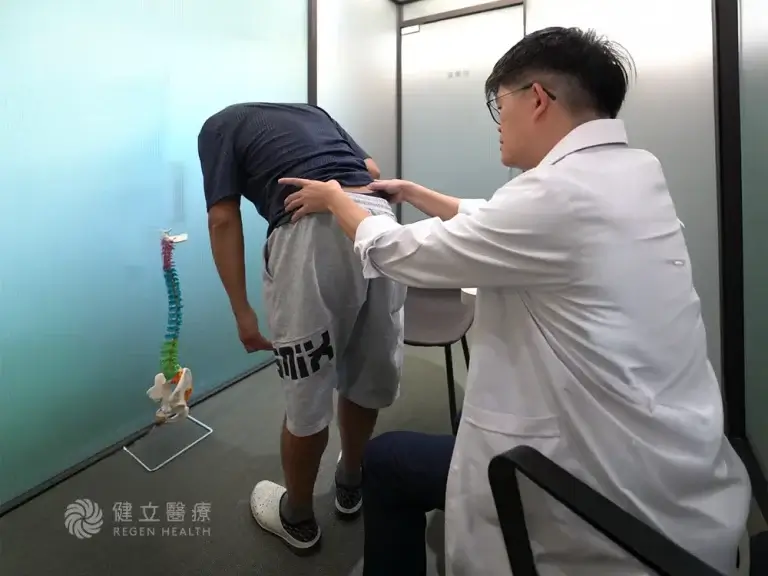
CASE Testimonials Mr. Wang, who has long engaged in physically demanding work, suffered severe strains to his lumbar spine and deep muscles due to frequent bending and lifting of heavy objects. He has endured chronic lower back pain for years, and traditional rehabilitation has yielded limited resul
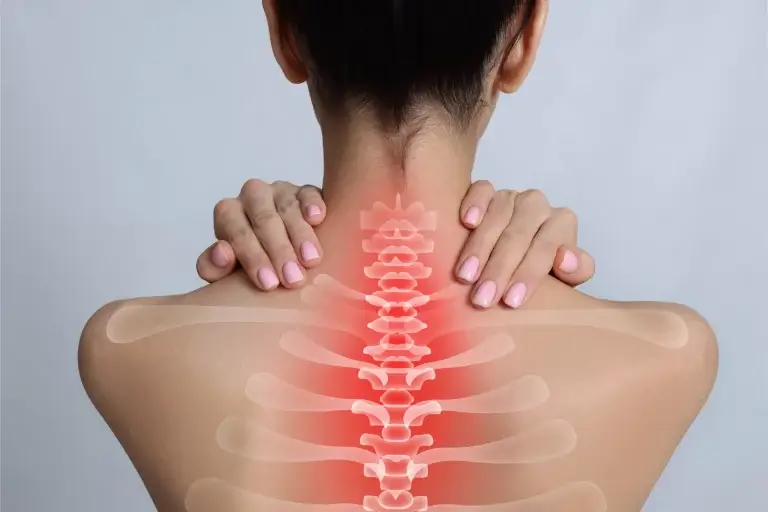
orthopedics Orthopedic pain Lower back pain, back pain Please enter a title here Table of Contents Numb Hands, Neck Pain, and Dizziness? A Comprehensive Guide to Causes, Symptoms, Treatment, and Prevention! Due to prolonged use of smartphones and computers, combined with poor posture and a sedentary
