Comprehensive Joint Health Check

Regen Health
2025-11-24
Comprehensive Joint Health Checkup × Rapid Autologous Mesenchymal Stem Cell Testing | Early Prevention, Rapid Screening, and Targeted Treatment—Protect Your Joint Health All at Once!
How to Detect Joint Degeneration Early? An Overview of Jianli Clinic’s One-Stop “Comprehensive Joint Health Checkup” Process
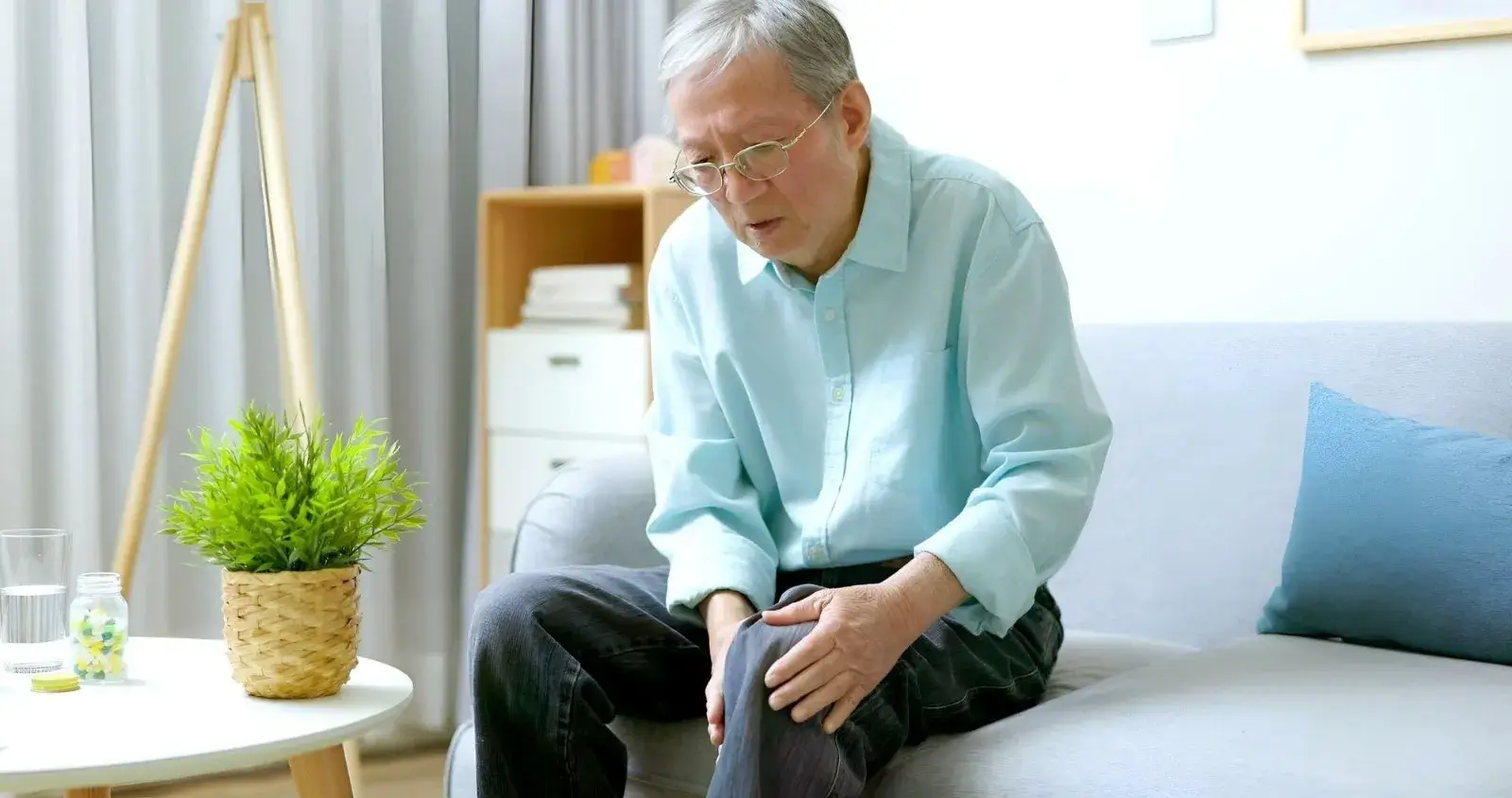
According to data from the Ministry of Health and Welfare, as many as 70% of seniors aged 70 and older in Taiwan suffer from
osteoarthritis, with approximately 3.5 million people across the island struggling with joint pain and limited mobility. In modern life, factors such as prolonged sitting, poor posture, excessive exercise, or the natural aging process can all lead to premature joint degeneration.
Jianli Clinic combines two key services—"Comprehensive Joint Health Screening" and "Rapid Autologous Mesenchymal Stem Cell Testing"—to provide a one-stop, integrated process covering "Prevention → Detection → Treatment." This approach enables early detection, accurate diagnosis, and effective treatment, helping you avoid the troubles associated with joint degeneration.
Comprehensive Joint Examination: The Process and Diagnostic Tools
When dealing with joint pain, a precise examination process and the right diagnostic tools are key to the success of subsequent treatment.
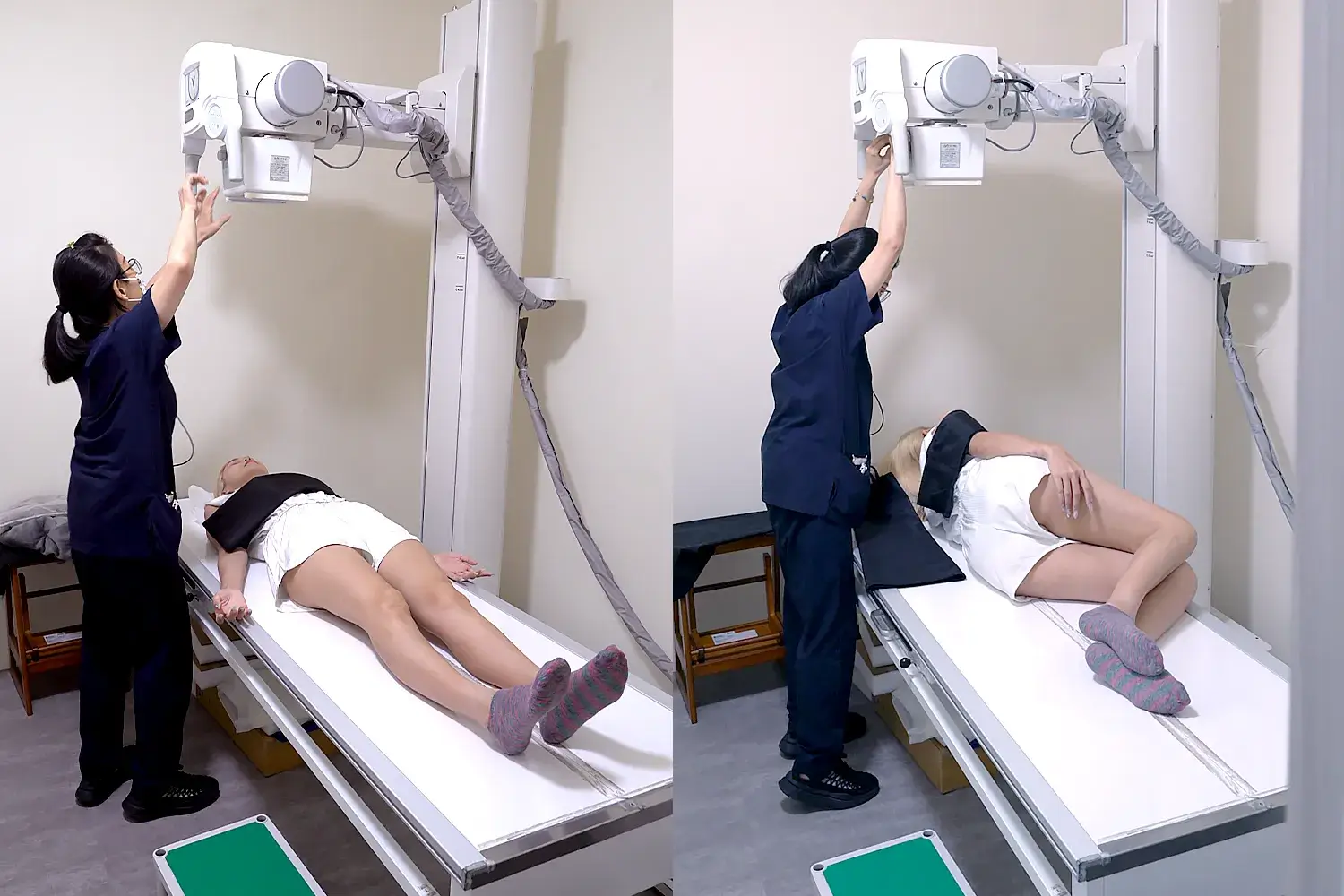
Jianli Clinic’s examination process emphasizes efficiency and comprehensiveness. After conducting full-body joint imaging, an orthopedic specialist will perform a precise evaluation.
Customized Treatment Plans: Based on individual examination results, physicians will develop personalized health management and treatment plans.
Referrals for Advanced Treatment and Evaluation: For patients with severe joint degeneration or specific regenerative needs (such as the increasingly common adipose-derived stem cell therapy and other regenerative medicine treatments), our specialist team can conduct an initial assessment of the actual condition of bone wear and soft tissue inflammation following a definitive imaging diagnosis.If the physician determines that more advanced intervention is needed or that the patient meets the criteria for specific cell therapies, the clinic can provide recommendations for follow-up treatments and necessary referral coordination within this one-stop service framework.
Comparison of Jianli Clinic vs. Traditional Hospitals
| Program | Jianli Clinic Comprehensive Joint Health Checkup | Standard Examinations at Conventional Clinics |
|---|---|---|
| Scope of Examination | One-time examination of major joints throughout the body | Focuses only on a single site of pain |
| Integrated Process | Same-day imaging + clinical evaluation | Multiple referrals, lengthy process |
| Patient Experience | One-stop integration, no need to re-register | Time-consuming back-and-forth between departments |
| Preventive Care | Emphasis on early detection and preventive care | Treatment often begins only after pain sets in |
Jianli Clinic makes checkups more efficient, saving you time while ensuring professional care. Complete a full-body examination and professional analysis in a single visit to immediately understand your joint health and take preventive measures quickly.
Four Key Benefits of Advanced X-ray Examinations
1. Why do orthopedic and physical medicine and rehabilitation departments often use X-rays as their first-line diagnostic tool?
X-rays are the most commonly used first-line diagnostic tool in physical medicine and rehabilitation and orthopedics. Compared to advanced imaging modalities such as magnetic resonance imaging (MRI) or computed tomography (CT), X-rays offer better value for money. International clinical studies indicate that the vast majority of musculoskeletal issues do not require immediate advanced imaging in the early stages; an initial assessment using X-rays or ultrasound is sufficient.
2. What is the principle behind X-ray examinations, and what is their primary function?
X-rays are primarily used to detect pathological changes in bones. They work by exploiting the difference in how soft tissues and bones absorb radiation to identify potential issues:
- Whitening in soft tissue areas: This may indicate abnormal calcification or lesions.
- Darkening in bone areas: This may indicate bone loss or structural abnormalities.
3. What symptoms and conditions can X-rays be used to diagnose?
X-rays have a wide range of applications and can provide diagnostic information for conditions ranging from general aches and pains to severe trauma:
Joint sprains: To determine whether the bones connected by ligaments have sustained avulsion fractures.
Falls and contusions: To assess the extent of soft tissue hematoma and determine if a bone fracture is present.
Degenerative spine conditions: To observe for osteoarthritis, bone spurs, or spinal stenosis.
Spinal conditions: To determine if there is scoliosis or spinal pain caused by a tumor.
Rapid Testing of Autologous Mesenchymal Cells | Assessing Eligibility for Cell Therapy Under the "Specialized Medical Care Act"
With advances in regenerative medicine, autologous cell therapy has emerged as a new hope for patients with degenerative arthritis. This therapy
involves extracting and culturing mesenchymal stem cells from the patient’s own adipose tissue and reinfusing them, which can promote joint cartilage repair, reduce pain, and restore range of motion.
Jianli Clinic × Xiyue Biomedical Joint
Collaboration Jianli Clinic and Xiyue Biomedical have joined forces to provide an integrated process for rapid screening, cell collection, and treatment referral, significantly reducing patient wait times and offering fast and convenient services. The service
process is as follows:
1️⃣ Initial joint examination and clinical assessment — Performed by orthopedic physicians at Jianli Clinic.
2️⃣ Determination of Eligibility for Cell Therapy — Confirmation of eligibility under the Special Medical Care Act.
3️⃣ Referral to a Special Medical Care Act-Approved Medical Institution — Cell collection and treatment are performed by a qualified medical facility.
Jianli Clinic: Frequently Asked Questions (FAQ) About Comprehensive Joint Health Checkups
Q1: How does a full-body joint checkup differ from a standard X-ray?
A: Most hospitals typically focus on examining a single painful joint. At Jianli Clinic, our “Comprehensive Joint Health Checkup” covers major areas such as the cervical spine, shoulders, lumbar spine, hips, knees, and ankles in a single session. An orthopedic surgeon interprets the results on the spot, providing a comprehensive analysis of your joint health.
Q2: How often should I get a full-body joint health checkup?
A: We recommend getting checked once a year. If you lead a sedentary lifestyle, exercise frequently, or experience joint pain, you may consider follow-up checks every six months to detect signs of degeneration or inflammation early on.
Q3: Is any special preparation required for the full-body joint health checkup?
A: No fasting or special preparation is required before the examination; simply wear comfortable clothing. The physician will conduct imaging and clinical analysis based on your lifestyle habits and symptoms.
Q4: What is the “Autologous Mesenchymal Stem Cell Rapid Test”?
A: This test is a preliminary screening conducted by orthopedic physicians at Jianli Clinic to assess whether you are a suitable candidate for autologous adipose-derived stem cell therapy. If you meet the criteria, you will be referred to a medical institution approved by the Ministry of Health and Welfare under the Special Medical Care Act for formal cell collection and treatment.
Q5: Who is suitable for the Autologous Mesenchymal Stem Cell Rapid Test?
A: This test is primarily intended for patients with osteoarthritis, individuals aged 55 and older, those who are overweight, athletes, or individuals with recurrent joint injuries. If you experience chronic joint pain or limited mobility, you may undergo this evaluation.
Q6: How safe is autologous mesenchymal cell therapy?
A: This therapy uses the patient’s own adipose-derived stem cells, resulting in a low risk of rejection. It must be performed at medical institutions approved by the Ministry of Health and Welfare and complies with strict safety and quality management standards.

Related Articles
Please enter a title here Regen Health Please enter a title here Is Your Shoulder Burning with Pain? Ultrasound-Guided Calcification Aspiration: Clinical Data from the Past Decade and a Comprehensive Treatment Guide Many patients are often awakened in the middle of the night or early morning by sev
Regen Health [The Complete Guide to Arthroscopic Cartilage Repair] Everything You Need to Know About the Minimally Invasive Procedure, Indications, and Postoperative Rehabilitation! Do you experience knee pain so severe that you can’t squat, feel your knee lock up after walking for a while, or even
Regen Health Say Goodbye to Joint Degeneration and Chronic Pain: A Guide to PRP Regenerative Therapy Injections, Cost Estimates, and Non-Surgical Treatment PRP (Platelet-Rich Plasma) therapy is a clinically proven, non-surgical regenerative medicine technique. By drawing approximately 10–15 cc of th
Regen Health Advanced PRP Therapy | The Golden Treatment for Activating the "Self-Repair" Mechanism of Joints and Tendons PRF is a highly safe, naturally derived regenerative medicine therapy that utilizes growth factors and fibrin structures from the patient’s own blood to help the body a
Regen Health No Hospital Stay Required! The Complete Guide to BMAC Autologous Bone Marrow Concentrate Injection Therapy When traditional regenerative therapies or hyaluronic acid fail to address severe joint degeneration, BMAC (Bone Marrow Aspirate Concentrate) offers a more advanced option. This i
Regen Health Minimally Invasive Release Surgery for "Mom's Hand" | Say Goodbye to Thumb and Wrist Pain and Regain Full Mobility What Is "Mom's Hand"? (Definition of De Quervain's Syndrome) The medical term for "mom's hand" is stenosing tenosynovitis