
Calcific Tendon Aspiration Procedure

Regen Health
2026-03-30
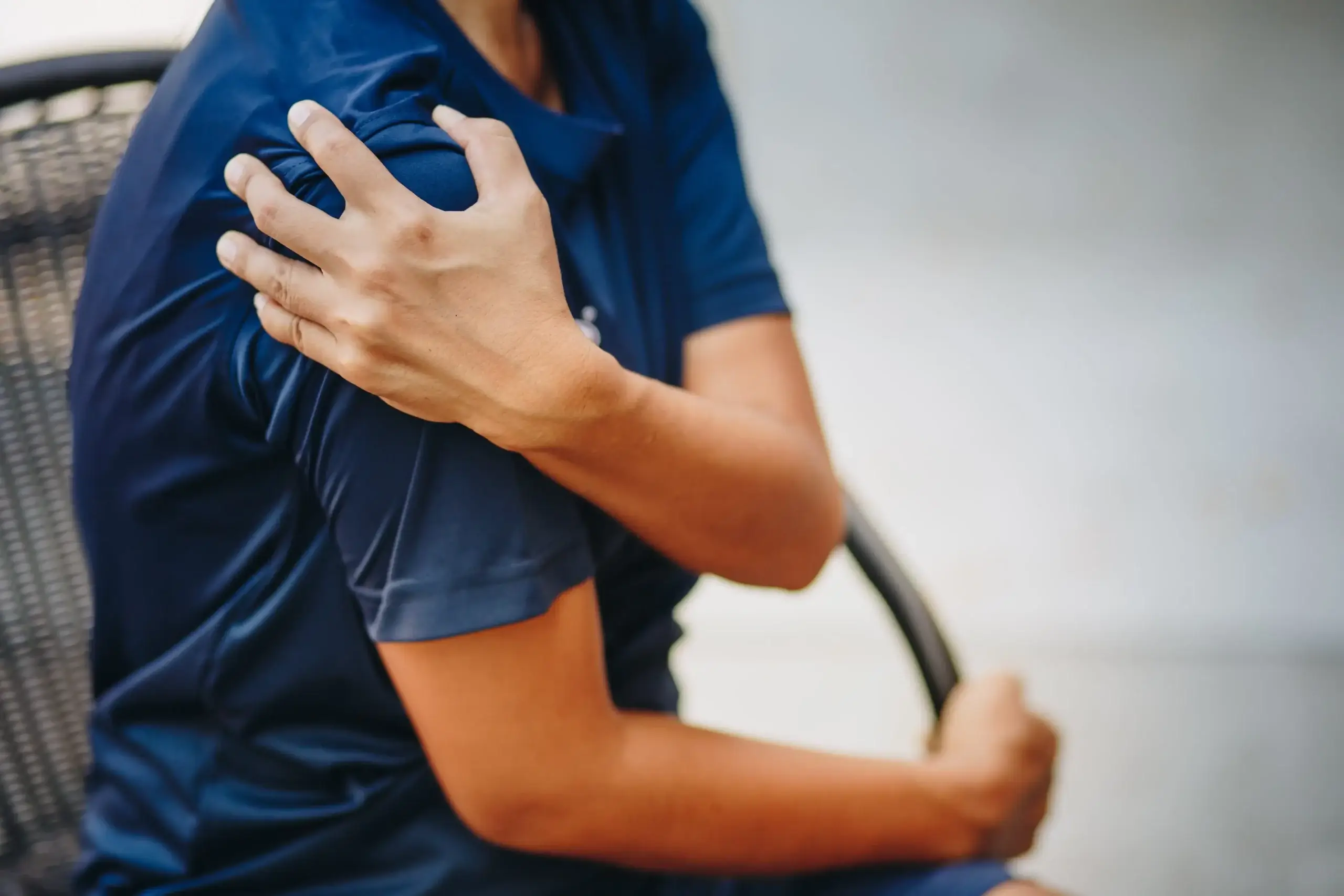
Is Your Shoulder Burning with Pain? Ultrasound-Guided Calcification Aspiration: Clinical Data from the Past Decade and a Comprehensive Treatment Guide
Many patients are often awakened in the middle of the night or early morning by severe shoulder pain that feels like a burning sensation or a stab of a needle, making even simple tasks like getting dressed or combing their hair difficult. This condition, where the shoulder suddenly becomes immobile, is often not just ordinary “frozen shoulder,” but rather a condition where “stones” have formed in the tendons—calcific tendinitis.
What Is Calcific Tendinitis? Uncovering the Truth Behind "Calcifications in the Shoulder"
1. Why do tendons calcify?
The exact cause is not yet fully understood, but it is generally believed to be related to the following factors:
- Constitution and Degeneration: Related to an individual’s constitution or chronic degeneration of the tendon, rather than simply trauma.
- Abnormal healing: When a tendon is injured or torn, the body’s natural healing process may produce excess calcium salts that then deposit in the area.
- Blood Circulation: Poor posture can lead to prolonged oxygen deprivation and poor blood circulation in the shoulder tendons.
- Are you at risk?
- Age Group: Most commonly affects people in their 30s to 50s.
- Gender: Statistics show that the incidence is higher in women than in men.
- Occupation and Habits: People who use their shoulders repeatedly over long periods (such as teachers, hairdressers, warehouse workers, and homemakers) or office workers whose poor posture leads to chronic oxygen deprivation in the tendons.
- Metabolic conditions: People with diabetes and thyroid disorders are also more susceptible.
The Four Stages of Calcific Tendinitis: Why Does the "Resorption Phase" Cause Pain So Severe You Want to Bang Your Head Against the Wall?
According to the authoritative study by Uhthoff & Loehr (1997), the progression of this disease is as follows:
- Pre-calcification stage (formation stage): Calcium deposition begins, typically without symptoms.
- Dormant phase (quiescent phase): The calcium deposit hardens like a stone and generally coexists peacefully with the body.
- Resorption phase (inflammatory phase): The most painful period. The calcification turns into a "toothpaste-like" consistency, leading to increased pressure within the tendon and triggering severe inflammation; patients often wake up in pain at night and experience limited mobility.
- Late Calcification Stage: Calcium deposits are gradually absorbed, and pain significantly decreases or disappears.
A Comparison of Treatment Options for Calcific Tendinitis: Aspiration vs. Shockwave Therapy vs. Steroids
| Procedure | Ultrasound-Guided Calcification Aspiration (Barbotage) | Extracorporeal Shock Wave Therapy (Shockwave) | Steroid Injection |
| Principle | Direct irrigation and aspiration to remove calcifications | Use high-energy sound waves to break up calcifications | Using high-energy sound waves to break up calcified deposits |
| Advantages | Fast-acting, directly reduces pressure within the tendon | Non-invasive, promotes angiogenesis | Rapid pain relief and high patient acceptance |
| Limitations | Invasive treatment; may cause mild soreness after the procedure | Slower onset of action; requires multiple treatment sessions | Does not remove the calcified material itself |
| When to Use | During acute, severe pain or when calcifications are large | Chronic phase, or for those unwilling to undergo acupuncture | Provides short-term relief from acute pain |
Video Introduction to the Treatment of Calcific Tendinitis (Including Calcification Aspiration)
Procedure for Ultrasound-Guided Aspiration at Jianli Clinic
Jianli Clinic in Songshan District, Taipei, has introduced the precise "ultrasound-guided aspiration" technique, offering patients an efficient, minimally invasive option.
- Real-time Monitoring and Minimally Invasive Decompression
Unlike "blind" procedures that rely on feel, we use advanced ultrasound equipment to precisely identify the size and texture of calcifications. While monitoring the screen, we carefully navigate around nerves and blood vessels to guide the needle into the core for irrigation and aspiration. This immediately reduces pressure within the tendon, providing significant pain relief for patients.
- "Aspiration + Repair" One-Stop Treatment
After aspiration, a cavity remains at the site of the calcification, and the tendon often exhibits partial tears. Depending on the patient’s needs, we combine this procedure with PRP (Platelet-Rich Plasma) or high-concentration glucose regeneration therapy to provide the growth factors necessary for repair and enhance tendon quality.
- Combined with Regenerative Therapy (PRP)
After aspiration, a cavity remains where the calcification was, and the tendon often already has tears. Depending on the patient’s needs, we inject PRP (platelet-rich plasma) or high-concentration glucose to provide the growth factors necessary for repair, thereby enhancing tendon quality and preventing secondary injury.
Clinical evidence on calcific tendinitis over the past 10 years
- High Satisfaction: A 2015 systematic review published in the *European Journal of Radiology* confirmed that ultrasound-guided lavage and aspiration is a safe and effective technique.
- Repair Benefits: Big data analysis indicates that PRP is more effective than traditional corticosteroids in repairing various tendon pathologies.
- Shockwave Parameters: Evidence indicates that high-energy shockwaves (2,000 pulses or more) are effective for chronic conditions, but the aspiration group typically offers greater advantages in terms of immediate pain relief.
Post-Calcification Aspiration Care and Recovery Recommendations
- Get adequate rest: We recommend applying ice packs and avoiding heavy lifting for the first 3 days after surgery. Avoid strenuous exercise or excessive physical labor for one month.
- Follow-up visits: You should return for a follow-up examination 2–3 weeks after surgery to assess whether a second procedure or regenerative injection is needed.
- Physical Therapy: Once pain has subsided, physical therapy is necessary to restore joint mobility and prevent adhesions from developing into "secondary frozen shoulder."
Frequently Asked Questions (FAQ) About Calcification Aspiration
Q1: Does calcification aspiration require an overnight stay?
No. This is an “outpatient minimally invasive procedure.” The entire procedure takes about 20–30 minutes, and you can go home immediately afterward.
Q2: Is the procedure painful?
Local anesthesia is administered before the procedure. During the procedure, patients typically experience a sensation of "aching and fullness." The level of discomfort is generally tolerable for most patients (rated at about 5–6 on a pain scale) and is milder than the severe pain experienced during an attack.
Q3: Can the calculus really be removed?
If the calcification is "toothpaste-like" and acute, it can be directly suctioned out; if it is harder and "chalk-like," it will be broken down, triggering the body’s absorption mechanism so that the remaining calcification is naturally metabolized after the procedure.
Q4: How soon after the procedure will I see results?
Most patients feel a significant reduction in shoulder pressure 2–3 days after the procedure, once the inflammation subsides, and the previously stiff range of motion becomes more flexible.
Q5: How does this differ from extracorporeal shockwave therapy?
Shockwave therapy works by shattering calcifications from the outside and is suitable for the chronic phase; aspiration, however, directly removes the source of pressure, providing faster and more immediate relief for acute, severe pain.
Q6: How many sessions are needed for recovery?
Most patients experience significant improvement after just 1–2 treatments. If the calcification is extensive, the physician will assess the situation and recommend treating it in stages.
Q7: Will the calcification recur?
The likelihood of recurrence at the original site after aspiration is extremely low. However, we recommend combining treatment with physical therapy to correct posture and avoid overexertion, which can help prevent calcifications from forming in other areas.
Related Articles
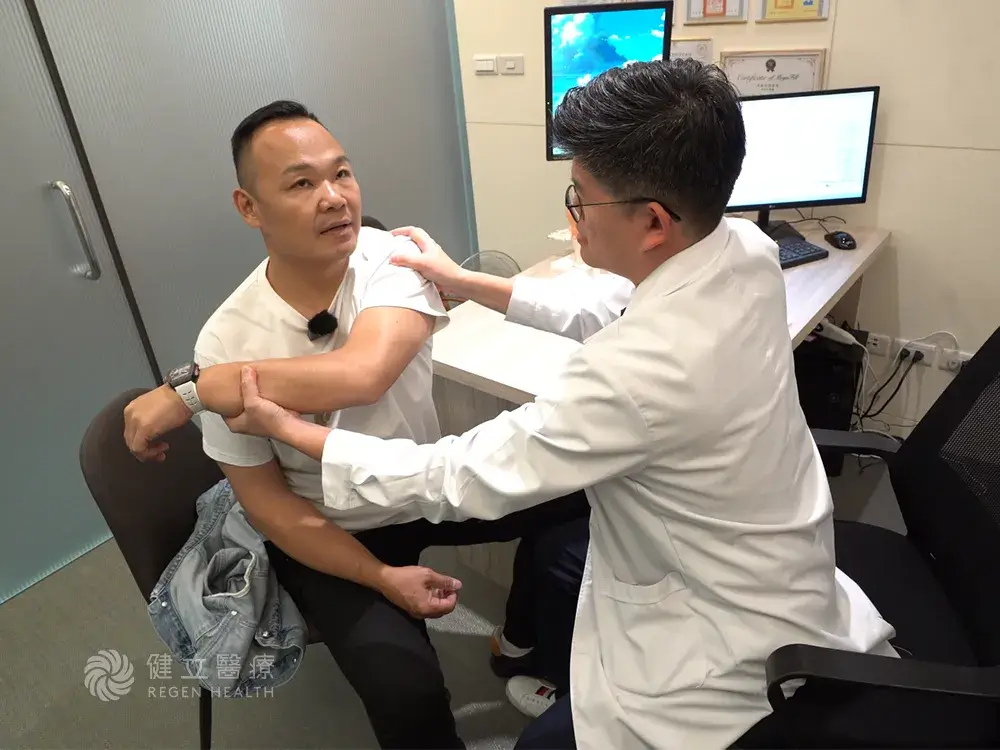
CASE Testimonials Mr. Xie, the owner of Hongda International, has maintained a regular fitness routine for many years, yet he has been plagued by a five-year-old shoulder injury that prevented him from raising his arm smoothly and even caused him to wake up in pain when turning over in bed at night.
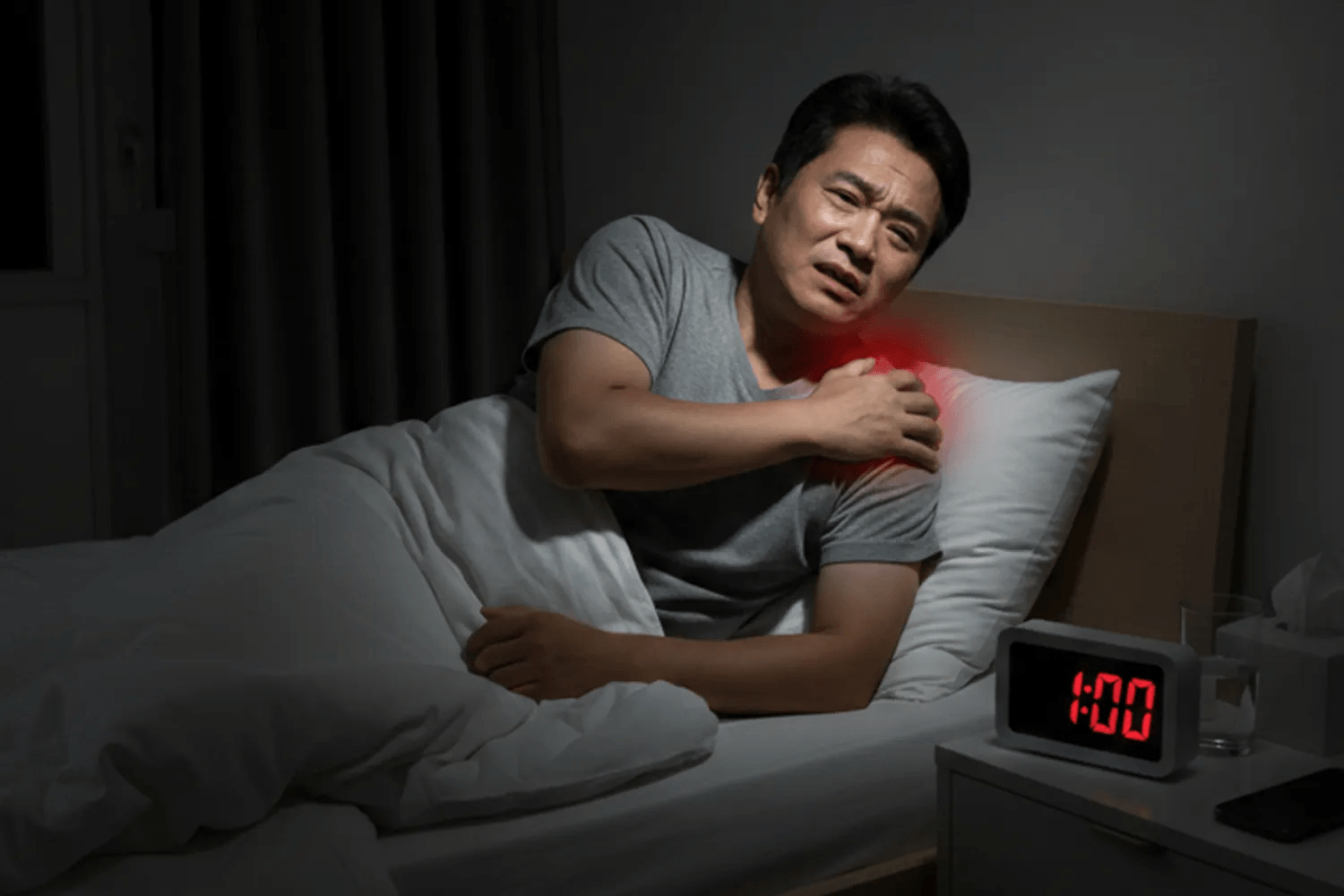
orthopedics Orthopedic pain Shoulder joint Text description, text description, text description, text description Please enter a title here Table of Contents Does your shoulder hurt when you raise your arm, or do you experience sharp pain at night? Watch out for calcific tendinitis. Do you experienc
