Integrative Medicine
Regenerative Therapy
Prolotherapy
Intravenous (IV) Therapy
Medical Equipment & Technology
PRF high concentration of fibrinogen
Table of Contents
All-Natural Tissue Regeneration | A Guide to the Sustained-Release Effects of PRF and Joint Self-Healing
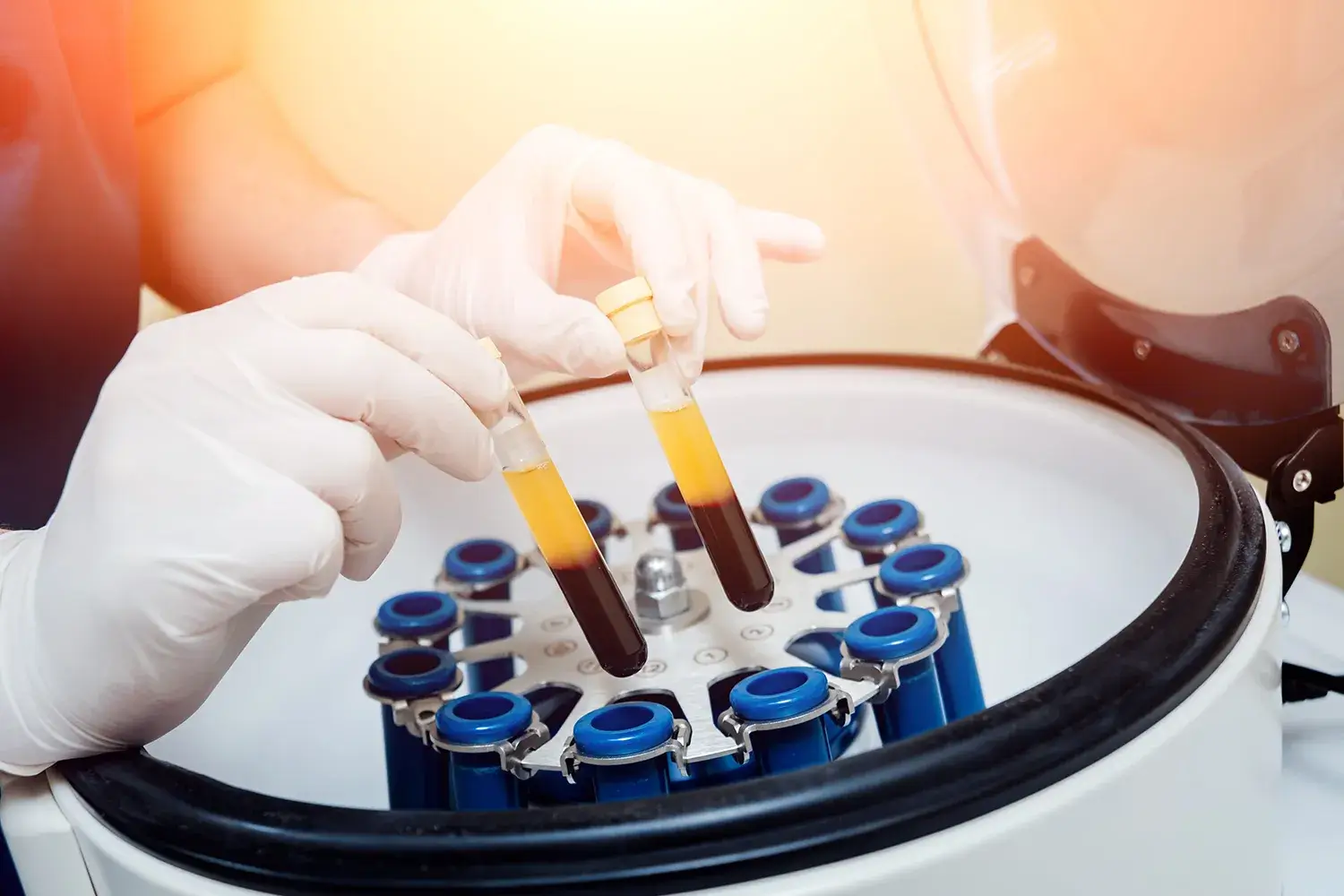
PRF (Platelet-Rich Fibrin) is a cutting-edge therapy in modern regenerative medicine. By drawing the patient’s own blood and centrifuging it in its natural state without adding any anticoagulants, a “three-dimensional fibrin scaffold” rich in growth factors is extracted.It is not merely a pain-relieving injection; rather, through biological mechanisms, it constructs a personalized “cell repair factory” within your joint cavity or damaged ligaments, achieving long-term and fundamental tissue regeneration.
Delving into the Cellular Level: The "Biological Miracle" of PRF
From the perspective of integrative medicine, the value of PRF lies in the fact that it perfectly mimics the body’s natural ultimate healing mechanism following injury:
- 3D Fibrous Scaffold: Unlike liquid injections that are prone to being absorbed, PRF forms a gel-like 3D mesh structure after centrifugation.This scaffold not only “locks” valuable growth factors at the site of injury but also attracts mesenchymal stem cells (MSCs) and fibroblasts from the surrounding blood to settle there, providing a surface for cells to attach to and grow.
- Slow Release Effect Lasting Up to 14 Days: Cell growth takes time.Liquid PRP typically releases all its growth factors within a few days of injection; PRF, however, releases growth factors steadily and continuously within the body for 7 to 14 days as the fibrous matrix slowly degrades. This gentle and sustained regenerative signal is particularly suitable for patients with chronic, intractable pain or severe cartilage atrophy.
PRF contains several key reparative components:
- High-concentration platelets: Initiate tissue repair responses
- Growth Factors: Promote cell regeneration and angiogenesis
- Fibrin Matrix: Provides a three-dimensional scaffold for cell adhesion
- Autologous exosomes: Deliver cellular repair signals
- Cell Activators: Promote the initiation of self-repair in damaged tissues
These components help achieve anti-inflammatory effects, reduce pain, and promote tissue regeneration, making PRF an increasingly important treatment option in regenerative medicine.
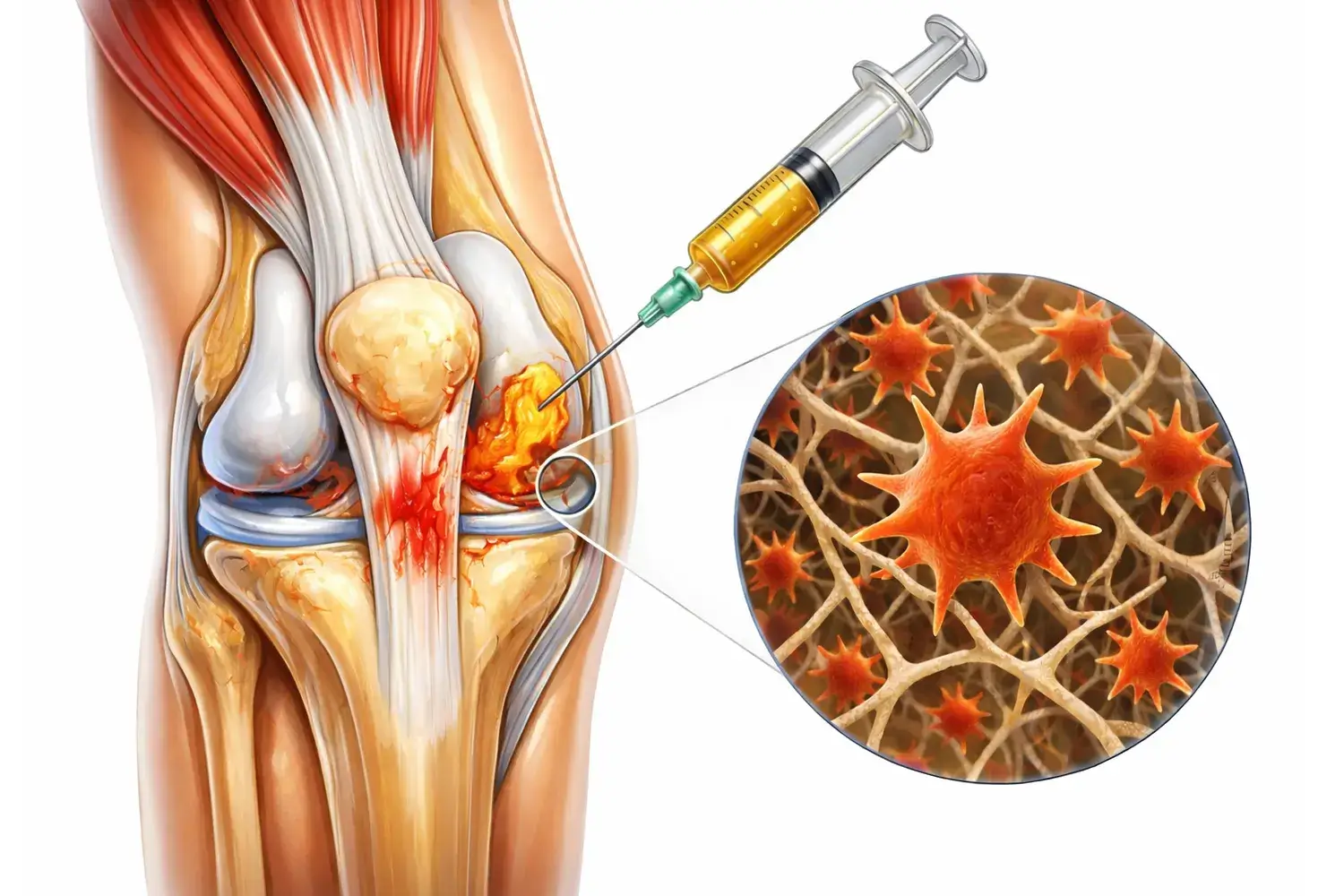
Why does PRF (platelet-rich fibrin) promote tissue repair?
The therapeutic effects of PRF primarily stem from the following three core mechanisms:
1. Fibrin Matrix
PRF forms a three-dimensional gel structure within the body, providing the scaffold necessary for cellular repair, which can:
- Anchor growth factors at the site of injury
- Maintain local concentrations of repair factors
- Promote cell adhesion and tissue regeneration
Therefore, PRF delivers a more concentrated repair effect than simple liquid injections.
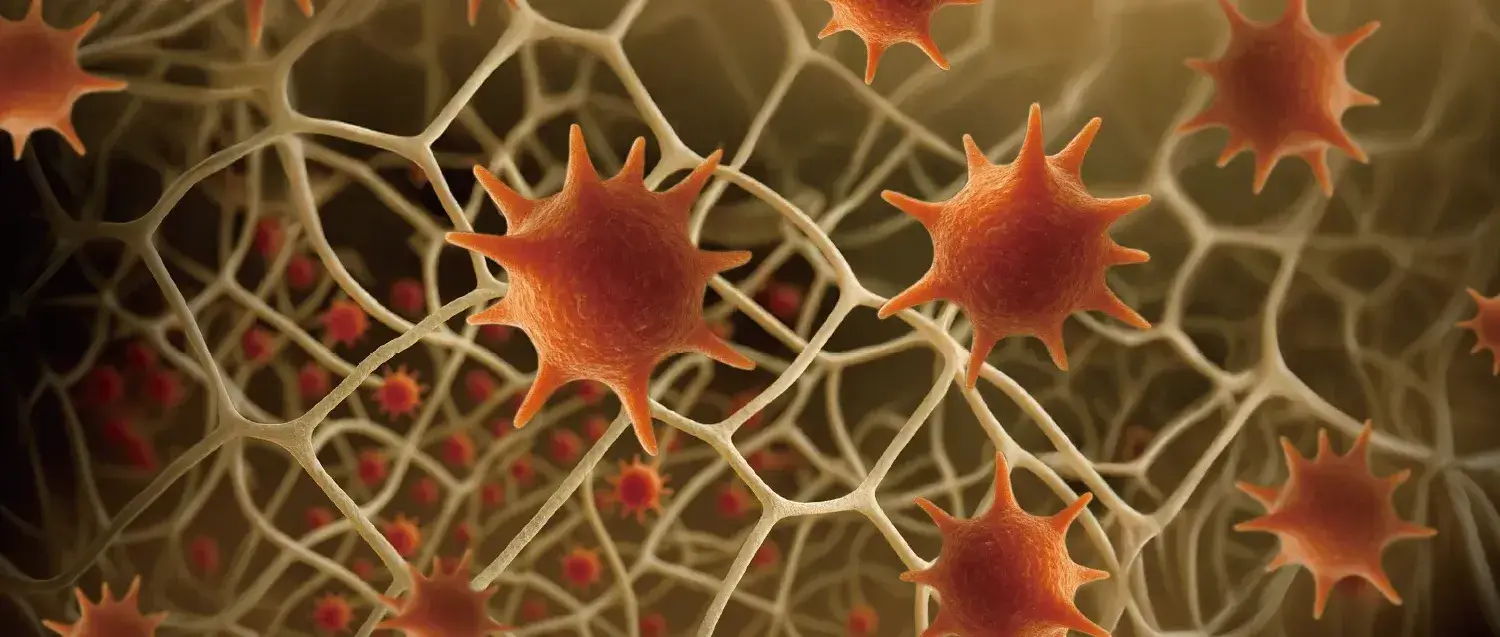
2. Sustained Release of Growth Factors
PRF contains various regeneration-related factors, such as PDGF, IGF, VEGF, TGF-β, and others.
These factors help:
- Promote the repair of damaged cells
- Stimulate chondrocyte activation
- Guide the realignment of tendons and ligaments
- Reduce local inflammatory responses
- Improve tissue elasticity and strength
The reparative signals in PRF are released continuously for approximately 7–28 days, aiding in long-term healing.
3. Completely autologous source
Since PRF is derived from the patient’s own blood, it offers:
- Virtually no risk of immune rejection
- Low incidence of side effects
- High biocompatibility
Compared to some regenerative therapies, PRF offers relatively higher safety and acceptance.
Who is eligible for PRF (Platelet-Rich Fibrin)?
- Patients with osteoarthritis who wish to avoid surgery and seek a fundamental solution.
- Individuals with long-term chronic tendinitis whose tissues have undergone degeneration and atrophy.
- Athletes or those engaged in high-intensity physical labor who need to build strong, resilient tissues to prevent recurrence.
Clinical Applications of PRF (Platelet-Rich Fibrin)
PRF is currently used in a number of medical fields, including:
1. Orthopedics and Sports Medicine
2. Post-surgical recovery
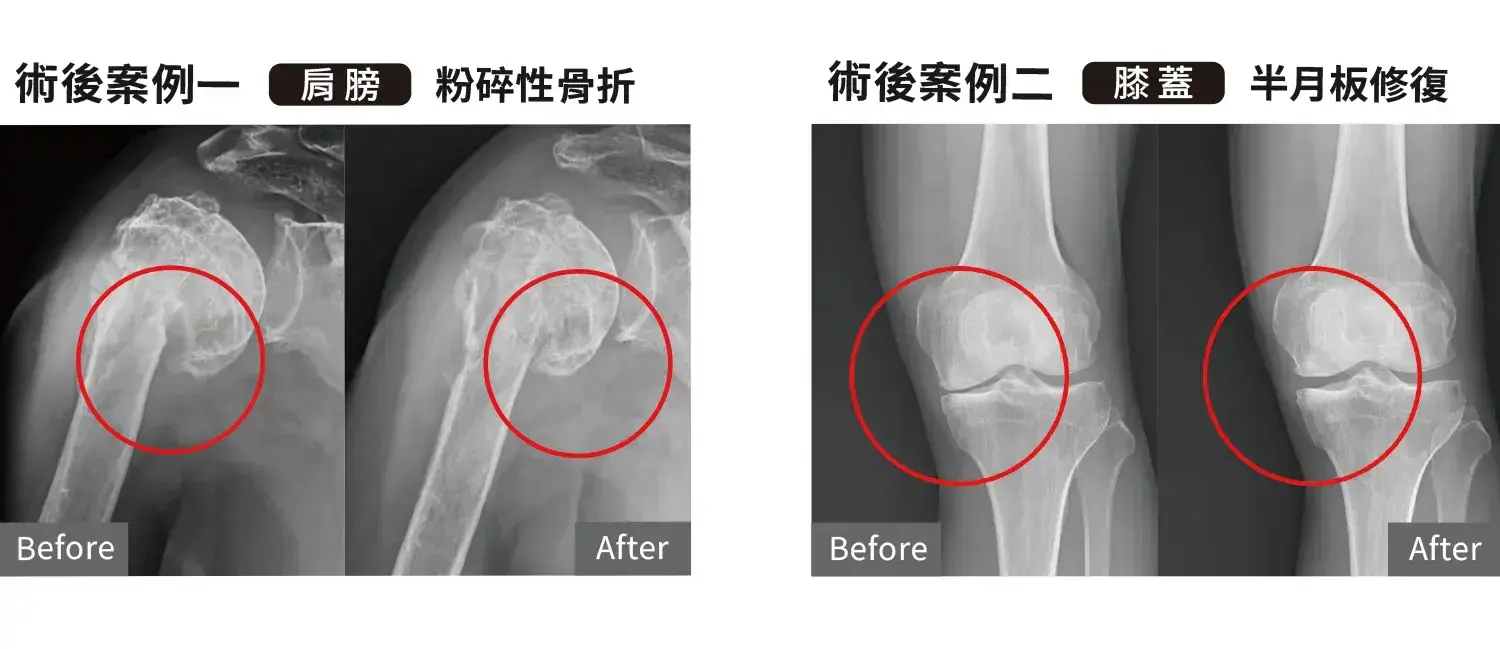
3. Regenerative medicine and aesthetic medicine
4. Dental regenerative therapy
Note: PRF is a form of regenerative medicine; actual efficacy and indications must be determined by a qualified physician following an evaluation.
From the perspective of "Integrative Medicine," PRF (Platelet-Rich Fibrin) is not merely a "repair agent" administered via a single injection to target localized pain points; rather, it functions as a form of "biological engineering" that activates the body's self-healing network.
The core principle of Integrative Medicine lies in “viewing the human body as a holistic system.”From this perspective, chronic pain or joint degeneration occurs because the local “microenvironment” has become depleted and saturated with inflammatory substances, preventing cells from functioning normally. PRF therapy, through a purely natural approach, lays a solid foundation for this depleted environment. It does not force the body to do anything; rather, it creates an optimal microenvironment that allows the body’s own healing power to be fully unleashed.
PRF (Platelet-Rich Fibrin) Frequently Asked Questions
Is PRF treatment painful?
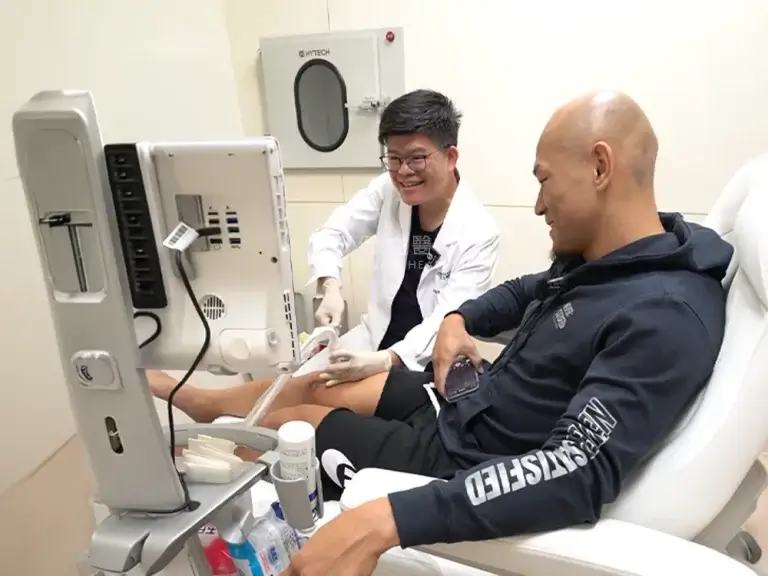
PRF treatment typically involves only a brief feeling of soreness or pressure. Most procedures are performed under local anesthesia or ultrasound guidance, so the pain is usually within a tolerable range. After treatment, a slight tightness or soreness may occur locally, which usually subsides gradually within 1–3 days.
Will PRF cause rejection?
PRF is 100% derived from the patient’s own blood, containing no foreign drugs or artificial additives, thus minimizing the risk of immune rejection or allergic reactions. Due to its high biocompatibility, it is considered one of the safest regenerative medicine therapies.
How long does it take to see results from PRF?
PRF improves symptoms by gradually activating tissue repair mechanisms, so the effects are usually not immediate.
The actual recovery speed varies depending on the severity of the injury, the treatment site, and individual constitution. The general recovery time is approximately:
2–6 weeks: Pain begins to improve
1–3 months: Tissue repair gradually becomes apparent
3–6 months: Tissue rebuilding and stabilization phase
How many treatment sessions are needed for PRF?
Can PRF replace surgery?
Plantar fasciitis (PRF) is suitable for mild to moderate tissue damage or early degenerative problems, such as:
Early degenerative arthritis
Chronic tendinitis
Minor ligament tears
Plant fasciitis
Severe joint degeneration, complete ligament rupture, or structural damage may require surgical treatment. PRF is also frequently used postoperatively to accelerate repair and improve healing quality.
What is the difference between PRF and PRP?
PRF is often considered an advanced version of PRP (platelet-rich plasma), thus providing a more stable tissue repair environment and longer-lasting repair signals.
The main differences between the two lie in their structure and mode of action:
PRP: Liquid platelet concentrate, with a faster release rate of growth factors.
PRF: Possesses a fibrin network structure, forming a gel-like repair environment.
Is PRF treatment covered by health insurance?
Currently, PRF and ultrasound-guided injection are mostly out-of-pocket procedures. Although the cost is high, they are highly cost-effective regenerative medicine options due to their high precision and safety, and the fact that they use the patient’s own blood, eliminating the risk of rejection.
Who is not suitable for PRF (Professional Responsibility Factor)?
Patients with abnormal platelet function, severe anemia, blood-borne infectious diseases, acute infection at the injection site, or who are currently taking anticoagulants need to be evaluated by a physician.
Related Articles
CASE Testimonials Yu Zhicheng is a national mixed martial arts (MMA) athlete representing Team China in Taiwan. Due to years of high-intensity competition and training, his muscles, ligaments, and joints have been subjected to immense stress, making sports injuries a constant risk and resulting in c
orthopedics Orthopedic pain Ankle and sole Text description, text description, text description, text description Please enter a title here Table of Contents Does your heel hurt when you take your first steps in the morning? Watch out for plantar fasciitis: Everything you need to know about the caus