SIS Super Inductive System Therapy: Olympic-Level HIFEM Pain Relief and Rehabilitation Technology Analysis

Regen Health
2025-09-15
SIS 超磁場治療儀是一種獲得美國 FDA 與台灣衛福部認證的非侵入性復健設備。它利用 HIFEM 高強度聚焦電磁場技術,能穿透皮下 10 公分,針對深層肌肉與神經進行修復。臨床證實能有效改善急性/慢性疼痛、促進骨折癒合、放鬆肌肉,並廣泛應用於奧運選手的運動傷害恢復。
What Is the SIS Super Inductive System Therapy? Principles and Core Technology
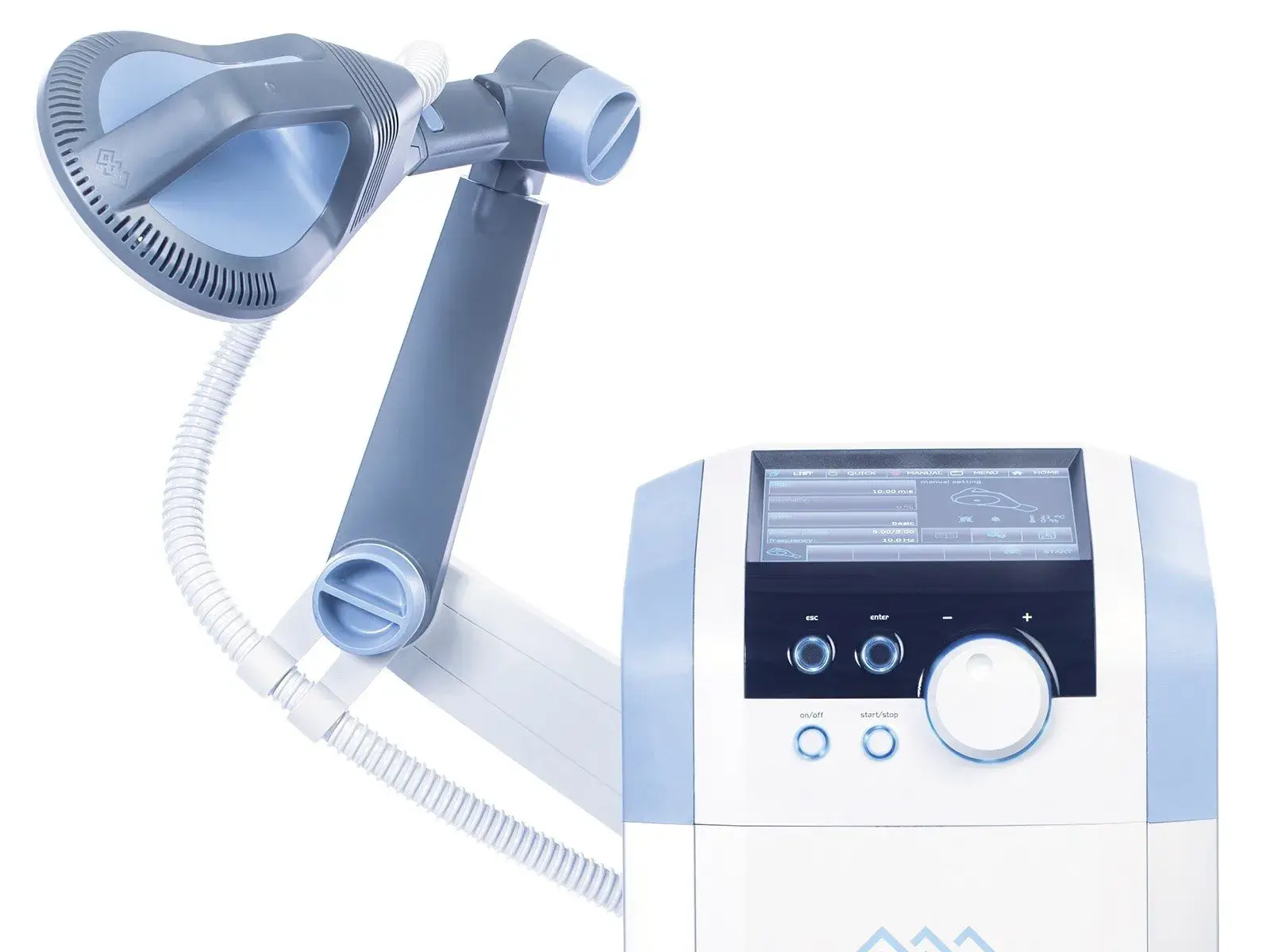
SIS (Super Inductive System) is a groundbreaking rehabilitation medical device whose core technology is HIFEM (High-Intensity Focused Electromagnetic).
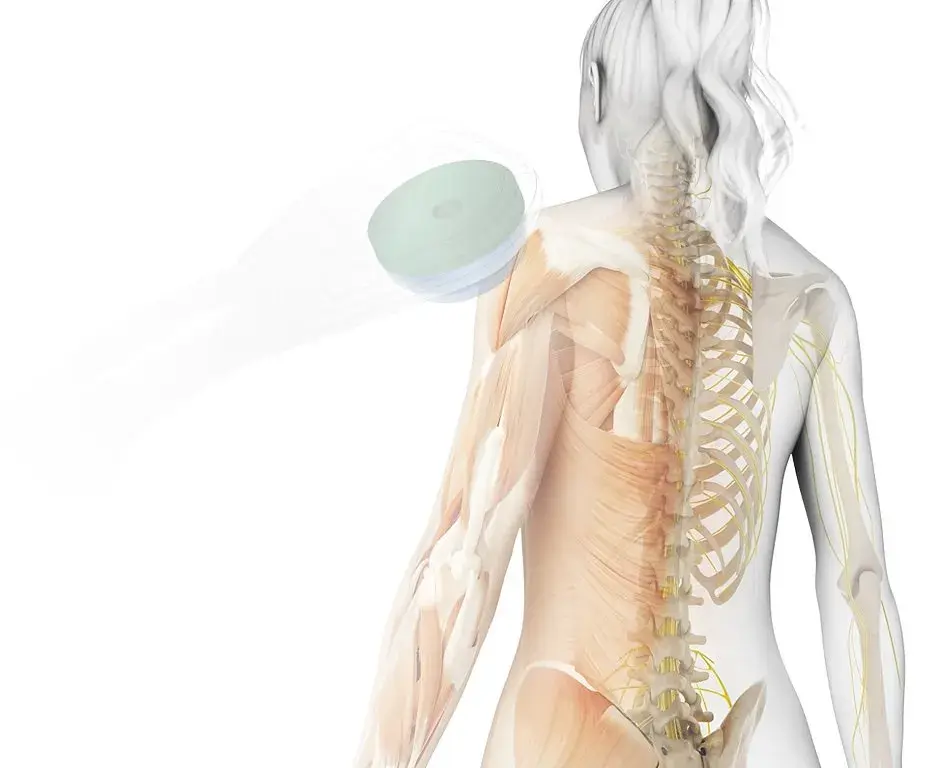
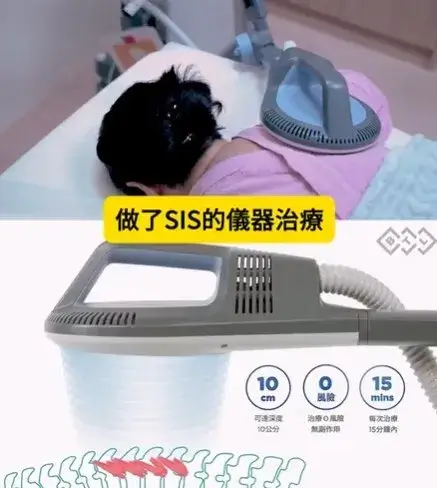
Unlike traditional electrotherapy, which acts only on the epidermis, SIS generates a magnetic field with an intensity of up to 2.5 Tesla, capable of safely penetrating human tissue up to 10 centimeters without skin contact. This means it can directly target deep structures such as the spine, nerve roots, bones, and deep muscle groups. The three major biophysical effects of SIS therapy
:
- Blocking pain signals (pain relief): Utilizes specific frequencies to interfere with nerve conduction (gate control theory), rapidly alleviating acute and chronic pain.
- Promotes tissue repair (regeneration): Enhances cellular activity and blood circulation, accelerating fracture healing and soft tissue repair.
- Muscle Control and Relaxation (Muscle Strength): By inducing passive muscle contractions through electromagnetic fields, it can relax tight muscles and strengthen atrophied muscles.
Authorized Certification: Why Do Olympic Athletes Choose SIS Super Inductive SystemTherapy?
When selecting medical devices, safety and authoritative certifications are the top priorities. The SIS Super Magnetic Field Therapy Device boasts a high level of reliability:
- International Multi-Certification: Approved by the U.S. FDA, the EU CE, and Taiwan’s Ministry of Health and Welfare (TFDA), ensuring the legitimacy and safety of its medical use.
- Preferred by Top Athletes: Due to its “non-invasive” nature and “short recovery time,” SIS has become the preferred recovery device for Olympic sports teams.
- Renowned tennis star Roger Federer and several professional basketball teams have utilized this technology to accelerate post-game recovery and treat sports injuries.
5 Major Clinical Benefits of the SIS Super Inductive System Therapy Device
Based on clinical applications and observations by orthopedic experts, SIS treatment offers the following five major benefits:
Highly Effective Pain Relief: Provides more immediate relief than traditional electrotherapy for conditions such as osteoarthritis, sciatica, and stiff neck.
Accelerated Sports Injury Recovery: Shortens the repair period for ligament sprains and muscle tears. Improved Peripheral
Circulation: Improves cold hands and feet and reduces localized edema through vasodilation.
Resolves Muscle Stiffness: Has a significant relaxing effect on stiff neck and shoulders, and tightness in the lower back caused by prolonged sitting.
Nerve and Muscle Strength Reconstruction: Helps induce muscle contraction and strengthen muscles, especially for muscle atrophy caused by nerve damage.
Head-to-Head Comparison: SIS Therapy vs. Shockwave Therapy vs. Ultrasound Therapy
Many patients often ask, “What is the difference between SIS and shockwave therapy?” The table below provides a detailed comparison:
| Item | SIS Therapy | Shockwave Therapy | Ultrasound Therapy |
| Principle | High-Intensity Focused Electromagnetic (HIFEM) | High-Energy Acoustic Shock Waves | High-frequency acoustic thermal effect |
| Penetration Depth | Very deep (approx. 10 cm) | Mid-layer (approx. 3–5 cm) | Surface to shallow layers |
| Application Method | Non-contact (through the air/through clothing) | Contact (gel required) | Contact (gel required) |
| Pain level | Painless (only a sensation of muscle contraction) | Moderate to high (soreness) | Painless |
| Main Benefits | Nerve pain relief, joint relaxation, fracture healing | Calcific tendinitis, adhesion breakdown | Soft tissue swelling reduction, heat therapy |
| Suitable for | Those with a low pain tolerance, acute inflammation, deep-seated conditions | Chronic adhesions, calcifications | General muscle soreness |
Applications of SIS Super Inductive System
If you experience any of the following, SIS Therapy may be a suitable option:
Chronic pain: Frozen shoulder, osteoarthritis, tennis elbow, plantar fasciitis.
Spinal problems: Sciatica, numbness and pain caused by herniated discs, cervical spondylosis.
Sports injuries: Ankle sprains, muscle strains, post-operative cruciate ligament injuries.
Post-orthopedic surgery: Poor fracture healing, swelling and pain after joint replacement surgery.
Contraindications and Precautions for SIS Super Magnetic Therapy
Although SIS is highly safe, for the sake of your health, the following groups are prohibited from using it or must undergo a thorough evaluation by a physician:
- Individuals with implanted electronic devices: such as pacemakers, defibrillators, or cochlear implants.
- Metal implants: Metal plates, screws, or artificial joints within the treatment area (except for titanium alloys; a physician’s judgment is required).
- Pregnancy: Pregnant women should avoid treatment.
- Bleeding disorders or open wounds: Unhealed open wounds in the treatment area.
Expert Recommendations: The frequency and duration of treatment should be planned by a qualified physician or physical therapist based on the severity of the individual’s condition.
SIS Super Inductive System Therapy FAQ
Q1: Does the SIS treatment hurt?
A: No. Most patients only feel a rhythmic fluttering or contracting sensation in the treated area; the process is usually comfortable and even relaxing.
Q2: How long does a single treatment session last?
A: Treatment typically lasts about 20 to 30 minutes, depending on the complexity of the condition.
Q3: Will I get bruises after SIS, like with shockwave therapy?
A: No. SIS uses electromagnetic fields and does not cause physical damage to soft tissues, so there will be no bruising or subcutaneous bleeding.
Q4: How many SIS sessions are needed to see results?
A: Acute pain is usually relieved after 1–3 sessions; for chronic pain or tissue repair, a full course of treatment (approximately 6–10 sessions) is generally recommended to achieve optimal and stable results.
Q5: What types of pain are best suited for SIS therapy?
A: The most common conditions include shoulder and neck stiffness, lower back pain, degenerative joint pain (knees/hips), and muscle tension and stiffness. In particular, individuals experiencing “deep-seated pain that cannot be pinpointed” or “recurring pain from prolonged sitting or standing” typically see significant improvement.
Q6: Can SIS help with poor fracture healing or post-surgical swelling and pain?
A: Clinically, it is commonly used during the fracture healing phase, for post-operative swelling and pain, and for joint stiffness. As part of a rehabilitation plan, it helps promote local circulation, alleviate stiffness and pain, and facilitate a smoother recovery. However, the treatment area and parameters must still be assessed by a physician based on the individual’s condition.
Q7: Are there any side effects to SIS treatment? Will I feel soreness or numbness afterward?
A: SIS is highly safe. Most people only feel rhythmic muscle contractions, a sensation of being stretched, or a sense of relaxation. A small number of people may experience temporary soreness or fatigue (similar to the feeling after exercise) after the first treatment; this usually subsides within 24 hours and is a normal reaction.
Q8: Can I undergo SIS treatment if I have bone pins, plates, screws, or artificial joints in my body?
A: This requires evaluation by a physician. If there are metal implants (such as bone plates, screws, or artificial joints) near the treatment area, suitability depends on the material, location, and condition of the implant. Additionally, if you have electronic implants such as pacemakers, defibrillators, or cochlear implants, SIS is not recommended to ensure safety.

Related Articles
Please enter a title here Hsu Fang-wei (Orthopedic Surgeon at Jianli Clinic) | Orthopedic Specialist License No. 002188 Please enter a title here What Is Piriformis Syndrome? A Common Nerve Compression Problem in People Who Sit for Long Periods Every time you walk into an office or a coffee shop, t
Please enter a title here Hsu Fang-wei (Orthopedic Surgeon at Jianli Clinic) | Orthopedic Specialist License No. 002188 Please enter a title here Lately, in my clinic, I often see middle-aged women rush in, looking panicked, pointing to the middle joint of their finger and asking, “Doctor, is my fin
For degenerative knee osteoarthritis, conventional treatments can only relieve pain, whereas PRP (platelet-rich plasma) and PRF (platelet-rich fibrin) work through six scientifically proven mechanisms—“promoting cartilage regeneration,” “modulating inflammation,” and “improving mitochondrial functio