Taiwan Enters an Aging Society in 2025: The “Three Lows” Are Coming! Exploring the Hidden Health Risks of Osteoporosis, Sarcopenia, and Degenerative Arthritis

Regen Health
2026-01-05
Don’t Let the “Three Lows” Steal Your Quality of Life in Old Age
We often hear about the dangers of the “Three Highs” (high blood pressure, high cholesterol, high blood sugar). However, as Taiwan officially enters a super-aged society in 2025, few pay attention to the equally critical “Three Lows” problem:
- Low Bone Density (Osteoporosis)
- Low Joint Repair Capacity (Degenerative Arthritis)
- Low Muscle Strength (Sarcopenia)
According to statistics, the average life expectancy of Taiwanese in 2023 has reached 80.23 years. Longevity does not equal health. Ignoring these three hidden aging killers may lead to long-term bedridden conditions or limited mobility. Let’s start by addressing the “Three Lows” to move toward the goal of healthy aging.
First “Low”: Osteoporosis — The Silent Invisible Killer
According to a survey by the Taiwan Osteoporosis Association, over 70% of people aged 50 and above in Taiwan experience bone loss. Among women, approximately 1 in 10 is affected, with prevalence significantly higher than in men.
Why Does Bone Loss Occur?
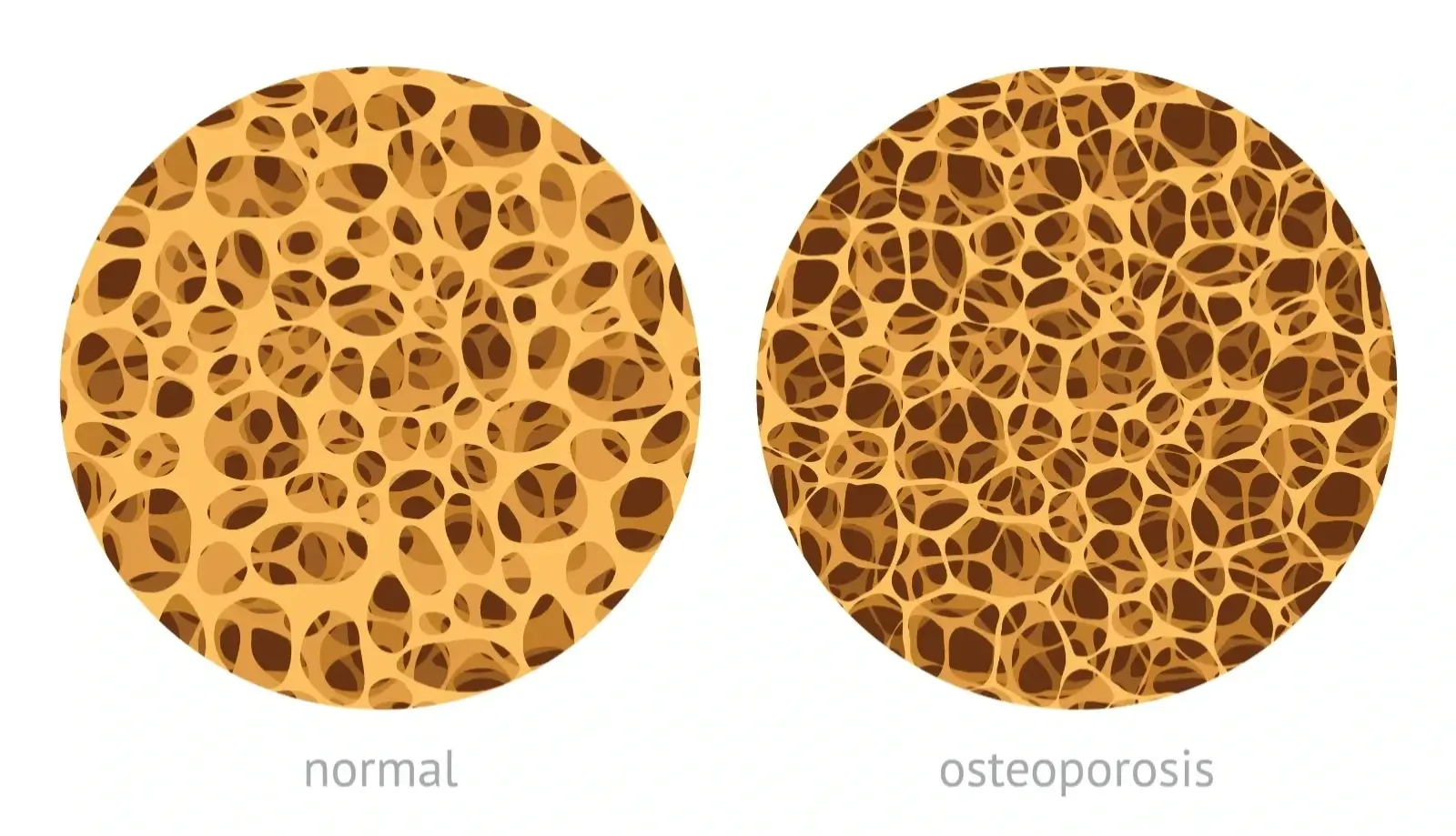
Generally, bone mass begins to decline after age 30. Without proper care, bone structures gradually become fragile like a sponge. Women, in particular, experience accelerated bone loss after menopause due to the rapid drop in estrogen, causing a “sliding down a slope” effect. Additionally, a family history of osteoporosis is an important risk factor.
☕ Does Coffee Cause Osteoporosis? Myth-Busting Many worry that coffee consumption leads to bone loss. Evidence shows that drinking one cup of coffee per day does not cause significant bone loss. Adequate calcium intake ensures safety, though excessive consumption may cause palpitations or nausea, so moderation is recommended.
Four Major Risks of Osteoporosis
- High Fracture Risk: Bones become fragile, and minor impacts, falls, or even sneezing can cause fractures.
- Slow Healing: Recovery after fractures is slow, severely affecting daily self-care abilities.
- Common Fracture Sites: Hip fractures, vertebral compression fractures, wrist fractures (which may lead to lifelong mobility issues).
- Silent Condition: Early stages often show no obvious symptoms and are frequently overlooked until a fracture occurs.
Second “Low”: Low Joint Repair Capacity (Osteoarthritis) — The Biggest Obstacle to Mobility
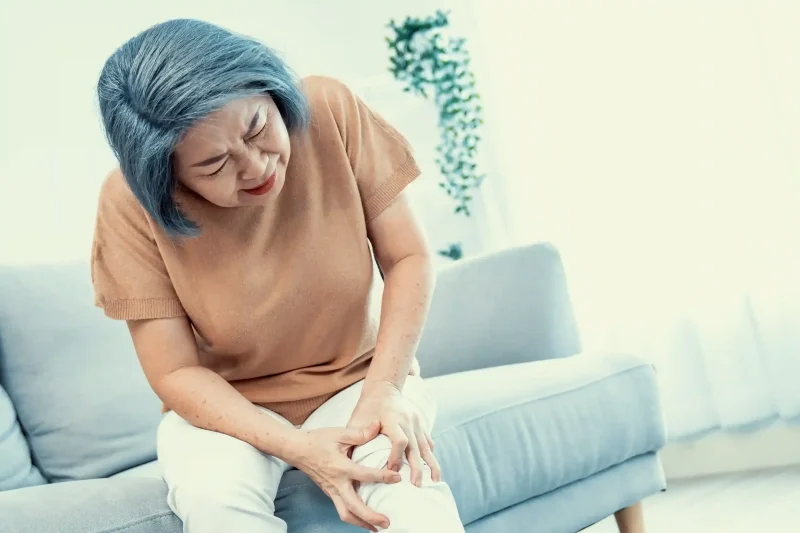
Joints are the pivot points of human movement, but with age or prolonged use, the body’s ability to repair cartilage declines, leading to inflammation and pain. Osteoarthritis most commonly affects the knees, hips, fingers, and spine.
Joint Health Alerts for Taiwanese
- Age 50+: Approximately 15%–20% have degenerative arthritis, with women more affected than men.
- Age 60+: Nearly 1 in 2 people experience joint degeneration, and severe cases may require joint replacement surgery.
- Younger Trend: Due to obesity, prolonged sitting, or poor posture, degenerative arthritis is no longer exclusive to the elderly.
The Vicious Cycle of Osteoarthritis
- Deformity: Long-term wear leads to joint deformities (e.g., bowlegs), affecting function.
- Limited Mobility: Difficulty walking or climbing stairs, sharply reducing quality of life.
- Psychological Stress: Chronic pain may lead to anxiety or depression.
- Triggers Sarcopenia: Pain leads to reduced movement → muscle loss → increased joint load → accelerated degeneration.
- Increased Fall Risk: Unstable gait increases the chance of falls, which in severe cases may result in long-term bedridden conditions.
Third “Low”: Sarcopenia — The Main Cause of Falls and Disability
Sarcopenia refers to the loss of muscle mass, decreased muscle strength, and decline in physiological function. According to the National Health Administration, the prevalence of sarcopenia among Taiwanese aged 65 and above is 23.6% in men and 18.6% in women.
Attention! Sarcopenia is not exclusive to the elderly. Young people who lack exercise, have poor nutrition (e.g., extreme dieting), or sit for prolonged periods may also be considered “sarcopenia at-risk.”
Serious Consequences of Sarcopenia
- Unstable Gait: Weak legs greatly increase the risk of falls and hip fractures.
- Metabolic Abnormalities: Muscles are the body’s largest metabolic organ; sarcopenia increases the risk of chronic diseases such as diabetes.
- Increased Mortality Risk: Studies show that individuals with sarcopenia have a much higher risk of death compared to those with normal muscle mass, and it severely affects the ability to perform daily activities.
Why Are Women the High-Risk Group for the “Three Lows”?
Data show that women face significantly higher risks than men, largely due to hormonal changes and physiological structure:
| Risk Factor | Women vs. Men | Key Reasons |
|---|---|---|
| Osteoporosis | 2–3 times higher than men | Loss of estrogen protection: After menopause, estrogen levels drop, accelerating bone loss. Higher risk for those with calcium deficiency or lack of exercise. |
| Osteoarthritis | Higher prevalence than men | Joint structure differences: Women have thinner joint cartilage. Factors like prolonged load-bearing, household squatting, and wearing high heels accelerate joint wear. |
| Sarcopenia | Prevalence 18.6% in age 65+ | Lower innate muscle mass: Women naturally have less muscle than men. With aging-related loss, physical strength declines faster, increasing risk of falls and fractures. |
How to Prevent the “Three Lows”? Expert-Recommended Health Strategies
To prevent the “Three Lows,” it is essential to start with daily habits and establish comprehensive health management routines. The Regen Clinic medical team recommends the following four pillars:
Guidelines for Preventing the Three Lows
| Prevention Strategy | Key Actions | Expected Benefits |
|---|---|---|
| 1. Weight Control | Maintain a normal BMI and avoid excessive obesity. | Reduces mechanical stress on knees and hips, delaying joint wear. |
| 2. Diet Management | Avoid high-calorie foods: limit fried foods and sweets (which can trigger inflammation). Antioxidant-rich diet: increase intake of berries, nuts, and dark green vegetables. |
Antioxidants help relieve chronic inflammation in the body and ease joint pain. |
| 3. Regular Exercise | Combine resistance training (muscle building) with weight-bearing exercises (bone strengthening). | Promotes bone density, maintains muscle strength, and enhances joint stability. |
| 4. Regular Checkups | Periodically undergo DXA bone density tests and muscle strength assessments. | Early detection of warning signs allows timely intervention before conditions worsen. |
Non-Surgical Options for Knee Degeneration: Minimally Invasive Treatment Alternatives
In addition to daily maintenance, for patients already experiencing pain or who prefer to avoid traditional surgery, the “Three Lows” specialists at Regen Clinic offer diverse and precise solutions:
- Non-invasive Treatments: Such as SIS super-magnetic therapy, which helps relieve pain and relax muscles.
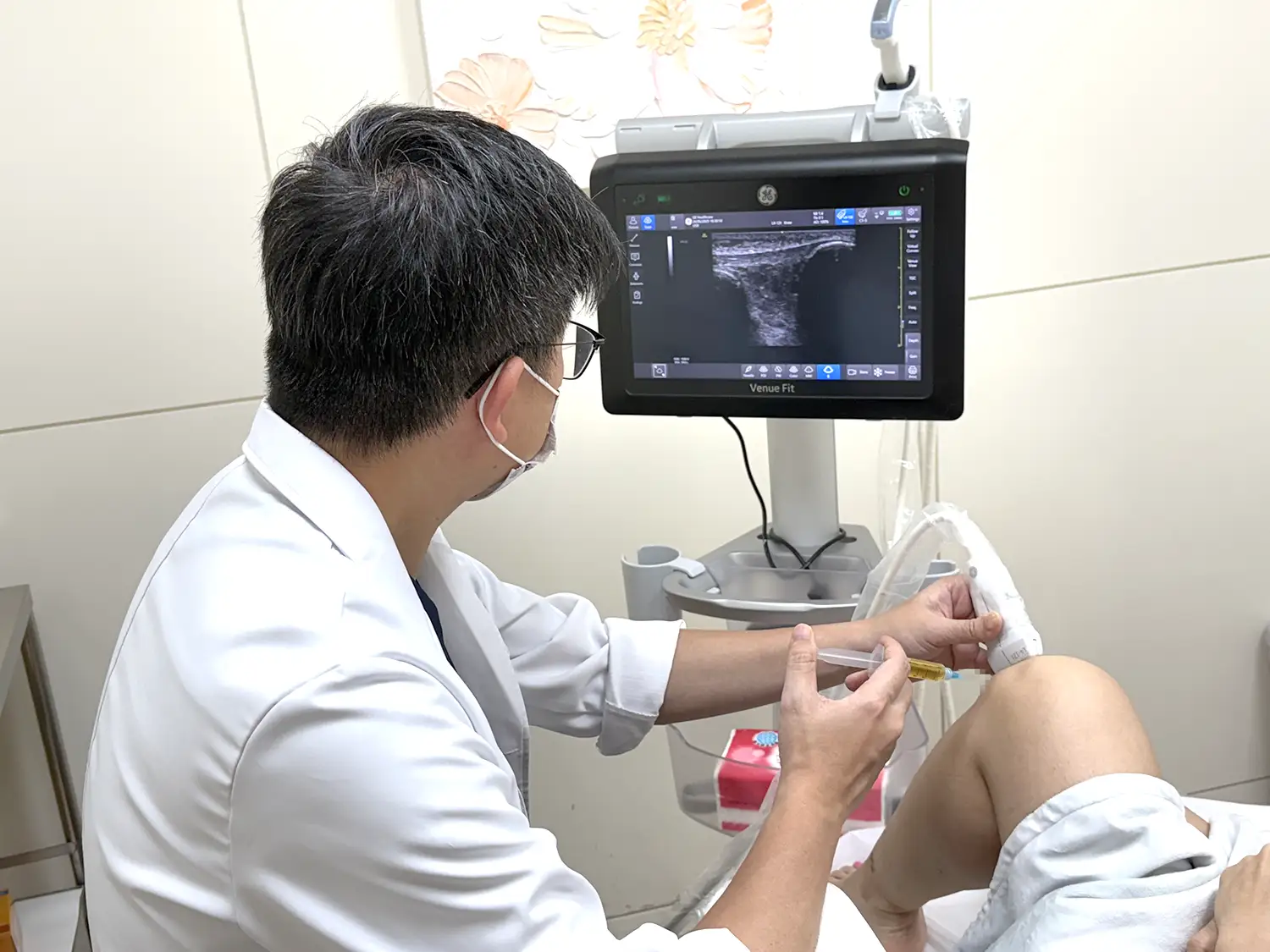
- Regenerative Repair: Such as PRP injections, which activate the repair capacity of joints and tissues.
- Personalized Assessment: Orthopedic specialists provide tailored exercise and nutrition recommendations.
In an aging society, don’t let your body become “empty and fragile.” Consult the professional team now to reduce “Three Lows” risks and achieve healthy aging.
Related Articles
Please enter a title here Hsu Fang-wei (Orthopedic Surgeon at Jianli Clinic) | Orthopedic Specialist License No. 002188 Please enter a title here What Is Piriformis Syndrome? A Common Nerve Compression Problem in People Who Sit for Long Periods Every time you walk into an office or a coffee shop, t
Please enter a title here Hsu Fang-wei (Orthopedic Surgeon at Jianli Clinic) | Orthopedic Specialist License No. 002188 Please enter a title here Lately, in my clinic, I often see middle-aged women rush in, looking panicked, pointing to the middle joint of their finger and asking, “Doctor, is my fin
For degenerative knee osteoarthritis, conventional treatments can only relieve pain, whereas PRP (platelet-rich plasma) and PRF (platelet-rich fibrin) work through six scientifically proven mechanisms—“promoting cartilage regeneration,” “modulating inflammation,” and “improving mitochondrial functio