
Is leg weakness just joint degeneration? Dr. Fang-Wei Hsu of Bone: Beware of Sarcopenia Stealing the Elderly’s Mobility!

許芳偉醫師(健立診所骨科醫師)骨專醫字號第002188號0771號
2026-04-29
目錄
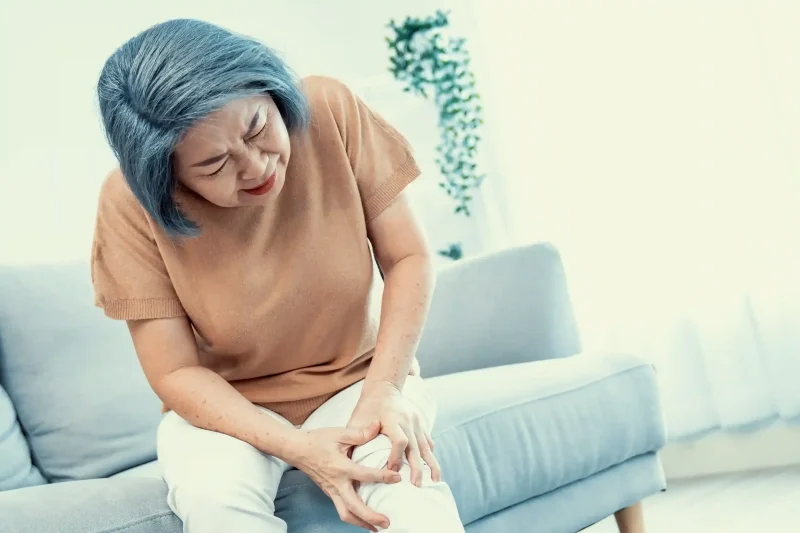
In my clinic, I often encounter elderly people walking in with difficulty, supported by their families. Their complaints are usually “weak legs recently,” “unable to walk,” or “frequent falls.” Many people instinctively assume it’s knee degeneration or a bone problem, but after further examination, the real hidden culprit is often sarcopenia.
Clinic Story: The Truth Beyond Joint Aging
I once treated a woman in her 70s who looked haggard. She said she had recently felt weak and powerless while walking, even finding it extremely difficult to stand up from the sofa at home, and easily dropping dishes. Her family had previously thought it was just simple arthritis or simply old age and lack of strength, but after testing, I discovered she also had sarcopenia and osteoporosis. After adjusting her nutrition, increasing her protein intake, and undergoing guided strength training, her mobility and quality of life significantly improved.
Current Status of Sarcopenia in Taiwan: One in Five Elderly People Faces Risk
As Taiwan enters a super-aged society, the threat of sarcopenia cannot be underestimated.
• Rising Prevalence: According to statistics, the prevalence of sarcopenia among Taiwanese people aged 65 and above is approximately 23.6% for men and 18.6% for women, with an estimated impact of up to 460,000 people.
• The Starting Point of Muscle Loss: Many people are unaware that muscle quality typically begins to decline after age 30.
Who is at High Risk?
1. Primary Risk: Individuals aged 60 and above, and those with decreased secretion of hormones such as growth hormone, testosterone in men, or estrogen in women.
2. Secondary Risk: Patients with diabetes, cardiovascular disease, cancer, or chronic obstructive pulmonary disease (COPD).
3. Lifestyle Factors: People with chronic lack of exercise, malnutrition, prolonged bed rest, or those taking certain medications (such as corticosteroids) are at extremely high risk.
2025 AWGS Professional Diagnostic Criteria
The 2025 AWGS diagnostic criteria for sarcopenia (ASMI) assess total muscle mass and grip strength. Muscle mass is measured using a DXA instrument, scanning the entire body via X-ray (ASMI). The criteria are as follows:
| Age | Male | Female |
|---|---|---|
| 50-64 years | < 7.2 kg/m² | < 5.5 kg/m² |
|
65 years and older |
< 7.0 kg/m² | < 5.4 kg/m² |
Grip strength is measured using a grip strength tester, commonly used in school, military physical examinations, or similar settings. The criteria are as follows:
| Age | Male | Female |
|---|---|---|
| 50-64 years | < 34.0 kg/m² | < 20.0 kg/m² |
|
65 years and older |
< 28 kg/m² | < 18 kg/m² |
Sarcopenia and Osteoporosis: The "Double Collapse" of the Body's Support Structure
Muscles and bones are interdependent.
• Correlation: Muscles provide necessary protection and support for bones. When muscle mass is lost, the pressure on bones increases, which may induce or exacerbate osteoporosis.
• Differences: Osteoporosis mainly affects “bone density,” increasing the risk of fractures; while sarcopenia involves the loss of “muscle mass and function.”
• Combined Effects: When both occur simultaneously, the elderly may become disabled due to severe limitations in mobility, significantly increasing the likelihood of hospitalization.
How to prevent and maintain health? Dr. Hsu's "Muscle Preservation Prescription"
Muscles, like bones, need both “food storage” and “training.”
1. Consume sufficient and high-quality protein
• Intake: Recommended intake is 1.2 to 1.6 grams of protein per kilogram of body weight.
• Good sources: It is recommended to distribute chicken, fish, eggs, tofu, soy milk, etc., throughout the three meals to ensure the body receives a continuous supply of amino acids.
2. Supplement key micronutrients
• Vitamin D: Helps with calcium absorption and maintains muscle and bone health.
• B vitamins and minerals: Promote muscle repair; calcium, magnesium, potassium, and other minerals are also essential.
3. Regularly perform resistance training (the most effective method)
• Weight training: At least 2 to 3 weight training sessions per week, such as using dumbbells, resistance bands, or squats, can effectively stimulate muscle growth.
• Aerobic Exercise and Balance: Combine brisk walking and swimming to improve endurance; train balance through Tai Chi or yoga to reduce the risk of falls.
4. Good Lifestyle Habits
• Eliminate Refined Sugar: Excessive sugar can affect muscle growth and should be avoided as much as possible.
• Sufficient Sleep: Maintain good habits such as not smoking or drinking alcohol, and properly manage existing chronic diseases.
Dr. Hsu’s Tip: Muscles are our body’s largest natural support structure. Starting today, pay more attention to your own and your elders’ calf circumference. Through high-quality protein and proper weight training, let’s “build muscle” together and welcome a higher quality of life in our later years. Furthermore, preventing sarcopenia is not just for the elderly; building muscle reserves from age 30 is the best investment in your future quality of life.
相關文章
CASE Testimonials Yu Zhicheng is a national mixed martial arts (MMA) athlete representing Team China in Taiwan. Due to years of high-intensity competition and training, his muscles, ligaments, and joints have been subjected to immense stress, making sports injuries a constant risk and resulting in c
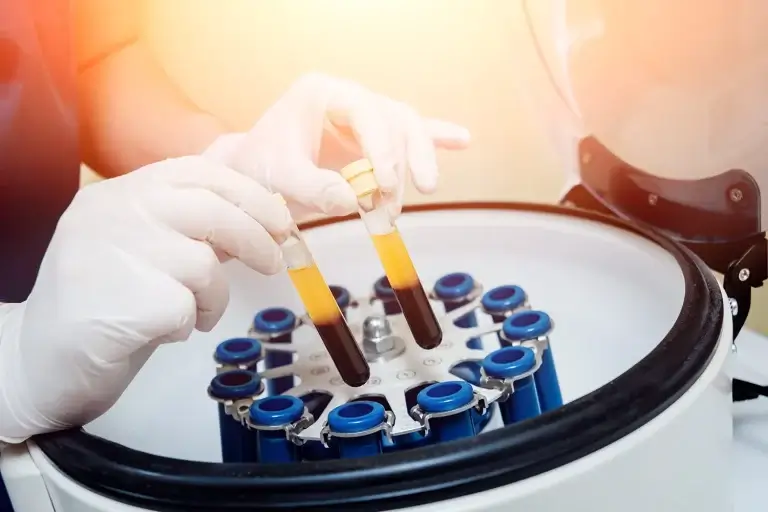
Regenerative Medicine Integrative Medicine Regenerative Therapy Please enter a title here Table of Contents All-Natural Tissue Regeneration | A Guide to the Sustained-Release Effects of PRF and Joint Self-Healing PRF (Platelet-Rich Fibrin) is a cutting-edge therapy in modern regenerative medicine. B