
Worried about high triglyceride levels on your health checkup? High triglycerides aren’t just “oil,” they’re a hidden culprit in arteriosclerosis!

林峰年醫師(健康診所消化內科)內醫字號010771號0771號
2026-04-24

目錄
Receiving your health checkup report and seeing those rows of red lines is often alarming, especially the “triglycerides (neutral fats)” section. Many people, even those who aren’t overweight, have persistently high levels. Dr. Lin Feng-nian, a gastroenterologist specializing in hepatobiliary diseases, warns that high triglycerides are more than just “oilier blood”; they can cause comprehensive damage to various organs and metabolic functions.
What serious health problems can high triglycerides cause?
When triglycerides in the blood are chronically high, they act like a hidden bomb in the blood vessels, triggering a series of organ diseases:
1. The Silent Killer of Blood Vessels: Accelerating Arteriosclerosis
The most dangerous aspect of triglycerides is that they alter the properties of “bad cholesterol” (low-density lipoprotein, LDL).
Changes in physical properties: High concentrations of triglycerides make bad cholesterol molecules “smaller and denser.” 1. **Angiogenesis:** These tiny particles more easily penetrate blood vessel walls and deposit, forming plaques and ultimately leading to arteriosclerosis.
**Increased Risk:** Even with normal LDL levels, high triglycerides significantly increase the risk of myocardial infarction and stroke.
2. **Deadly Threat to the Pancreas:** Acute Pancreatitis
The risk increases dramatically when triglyceride levels exceed 500 mg/dL.
**Chyshed Plasma:** At this stage, the patient’s plasma may even appear milky white and chylous (chylous blood).
**Severe Abdominal Pain:** Dr. Lin Feng-nian points out that many patients seek medical attention for severe abdominal pain, only to discover upon examination that it is acute pancreatitis caused by abnormally high triglycerides.
**High Mortality Rate:** If it unfortunately develops into severe pancreatitis, the mortality rate can be as high as nearly 5%.
3. **Metabolic Disorders:** Diabetes and Metabolic Syndrome
Abnormal triglycerides (≥150 mg/dL) are an important indicator of metabolic syndrome.
Insulin Resistance: Abnormal lipid metabolism increases insulin resistance, making cells less responsive to insulin.
Uncontrolled Blood Sugar: This leads to difficulty controlling blood sugar, increasing the risk of type 2 diabetes.
Assessment Indicator: Clinically, the “TG/HDL-C ratio” (triglycerides divided by good cholesterol) is often used to assess the severity of insulin resistance.
4. Heavy Burden on the Liver: Fatty Liver
When the body cannot burn off the calories it ingests, the excess calories are converted into triglycerides and stored.
Fat Accumulation: These fat particles accumulate in large quantities in liver cells.
Functional Abnormalities: As fat accumulates, it causes abnormal liver function, leading to the common condition known as “fatty liver.”
5. Warning Signs on the Skin: Xanthelasma (Xanthelasma)
In rare cases of severe hyperlipidemia or genetic defects, excessive fat can infiltrate the dermis.
Fat Deposition: Subcutaneous macrophages engulf fat, forming yellow or red papules.
Appearance characteristics: These are xanthelasma growths on the skin surface, indicating that blood lipids in the body are severely out of control.
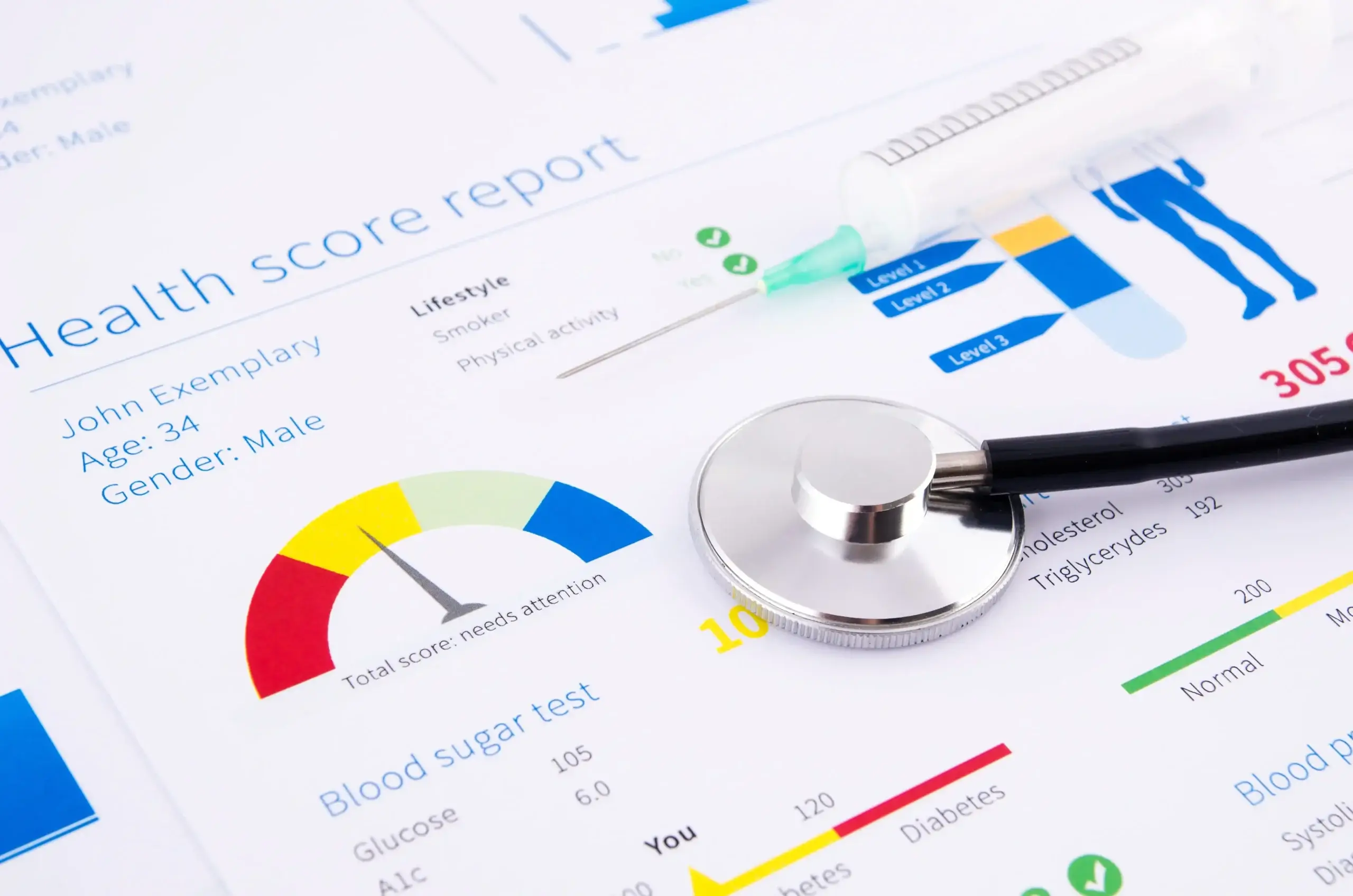
Health Check Myths: What's the Difference Between Triglycerides and Cholesterol?
| Characteristics | Triglycerides | Cholesterol |
|---|---|---|
| Main Functions | Energy source for cells, storage of excess calories | Building material for cell membranes, synthesis of hormones and vitamins |
| Causes of Excess | Primarily due to excessive calorie intake (refined starches, sugars, alcohol) | Related to constitution, genetics, and intake of red meat and saturated fat |
| Significance | Reflects dietary habits and metabolic rate | Reflects cardiovascular disease risk |
| Key to Improvement | Dietary adjustments and regular exercise have significant effects | In addition to diet, medication is usually required. |
When doctors evaluate health check-up reports, they often look at total cholesterol, which is the sum of LDL (bad cholesterol), GDL (good cholesterol), and triglycerides. LDL cholesterol levels above 70 can damage blood vessels; conversely, even if LDL cholesterol is not high, high triglycerides can still cause LDL molecules to become smaller and denser, leading to arteriosclerosis, plaque buildup in blood vessels, and atherosclerosis. “In other words, triglycerides may increase the harmful effects of cholesterol.”
Furthermore, high triglycerides (above 500) may cause pancreatitis; simultaneously, the TG/HDL-C ratio (triglycerides divided by high-density lipoprotein) is an indicator of insulin resistance, and a high ratio indicates a higher risk of cardiovascular disease. “I often encounter patients who complain of abdominal pain, and an ultrasound reveals pancreatitis.”
How to effectively prevent and control triglycerides?
Dr. Lin Fengnian emphasizes that the key to lowering triglycerides lies in a three-pronged approach: diet, lifestyle, and medical intervention.
1. Adjusting Dietary Habits (The Core Method)
Eliminate Refined Sugars: Reduce consumption of sugary drinks, pastries, honey, and high-fructose corn syrup.
Replace with High-Quality Starches: Replace white rice and white flour with whole grains such as brown rice, Strictly Limit Alcohol: Alcohol leads to a large accumulation of body fat and is a major culprit in soaring triglyceride levels.
Choose Healthy Fats: Switch to olive oil, reduce animal fats (red meat), and avoid trans fats.
Increase Omega-3 Intake: Eat more mackerel and saury, which help promote lipid metabolism.
Control Fruit Intake: Avoid excessive consumption of high-sugar fruits (such as pineapple and bananas); it is recommended to consume no more than two servings (about the size of two fists) per day.
2. Changing Lifestyle
Regular Aerobic Exercise: 3-5 times per week, 30 minutes each time (such as brisk walking, jogging, or swimming). Fat-burning tips: Drinking a cup of black coffee 30 minutes before exercise can boost fat-burning efficiency.
Weight management: A 5-10% weight loss can potentially lead to a 20% decrease in cholesterol levels.
Quit smoking: Smoking increases vascular damage and cardiovascular disease mortality.
3. Medical intervention and regular follow-up
Regular blood tests: Fasting for 8 hours is required for testing; the target value should be maintained below 150 mg/dL.
Medication: If diet and exercise adjustments are ineffective, doctors may prescribe fibrinolytic derivatives or nicotinic acid.
Extreme cases: In extremely dangerous cases, plasmapheresis (blood purification) may be necessary to rapidly lower cholesterol.

Is low triglyceride levels a warning sign?
While we all worry about high levels, low triglyceride levels are also a cause for concern:
Malnutrition or unbalanced diet: The body lacks sufficient nutrient sources.
Poor intestinal absorption: Even if you eat, you cannot properly absorb fats and nutrients.
Hyperthyroidism: Rapid metabolism leads to abnormally low levels.
A red blood cell count on a health checkup is a warning sign from your body, giving you a chance to readjust. With the right dietary concepts, a stable exercise plan, and professional medical assistance, it’s absolutely possible to turn a red blood cell count into a black one and regain the elasticity and vitality of your blood vessels. Let’s start depositing real capital into our health bank today!
Demystifying Blood Lipids: 6 Common FAQs about Triglycerides
Q1: Are triglycerides and cholesterol the same thing?
No. Although they are both called “blood lipids,” their functions are completely different. Triglycerides act as the body’s “backup batteries,” primarily responsible for storing calories and providing energy; cholesterol, on the other hand, is the “building material,” responsible for repairing cell membranes and synthesizing hormones. Simply put, high triglycerides usually indicate “excess energy,” while high cholesterol is more related to “physical constitution and blood vessel repair.”
Q2: Why are my triglycerides still too high even though I eat a very light diet?
The problem is often not with “oil,” but with “sugar” and “starch.” The main source of triglycerides is excessive calorie intake. When you consume too much refined starch (white rice, pasta), sugar (sweetened drinks, desserts), or alcohol, the liver converts this excess energy into triglycerides for storage. Therefore, eating only white meat without giving up sugary drinks is ineffective.
Q3: What harm does high triglyceride cause to the body?
It is a key indicator of metabolic syndrome. Long-term high levels reflect a decreased metabolic rate, increasing the risk of cardiovascular disease and causing the blood to thicken. Furthermore, extremely high triglyceride levels (e.g., exceeding 500 mg/dL) can lead to acute pancreatitis, a life-threatening emergency.
Q4: Is there a relationship between triglycerides and sarcopenia?
Very strongly. Medical observations show that reduced muscle mass leads to a lower basal metabolic rate, which reduces the body’s efficiency in processing calories, resulting in obesity, dyslipidemia (including high triglycerides), and insulin resistance. Therefore, “building muscle” is not only for mobility but also for maintaining normal lipid metabolism.
Q5: Is medication always necessary to improve triglycerides?
Not necessarily. Triglycerides respond very honestly to lifestyle changes. Unlike cholesterol, which usually requires medication, triglycerides show remarkable effects from dietary adjustments and regular exercise. By controlling refined sugar intake, reducing alcohol consumption, and combining this with regular aerobic or resistance training to burn calories, most people can see significant improvement in their levels within a short period.
Q6: Is fasting required before a blood test? Will this affect triglyceride levels?
Fasting is essential. Triglyceride levels are influenced by your diet, and levels can fluctuate significantly after eating. To accurately reflect blood lipid levels under basal metabolic conditions, it is recommended to fast for 8 to 12 hours before the blood test (drinking small amounts of water is acceptable during this time). Fasting before the blood test often results in falsely high readings, making it impossible to accurately assess your health.
相關文章

CASE Testimonials Yu Zhicheng is a national mixed martial arts (MMA) athlete representing Team China in Taiwan. Due to years of high-intensity competition and training, his muscles, ligaments, and joints have been subjected to immense stress, making sports injuries a constant risk and resulting in c

Regenerative Medicine Integrative Medicine Regenerative Therapy Please enter a title here Table of Contents All-Natural Tissue Regeneration | A Guide to the Sustained-Release Effects of PRF and Joint Self-Healing PRF (Platelet-Rich Fibrin) is a cutting-edge therapy in modern regenerative medicine. B