

Strengths

Service Advantages

Comprehensive Integration × Personalized Treatment

Regen Health centers its philosophy on “regenerative medicine,” combining a multidisciplinary integrated team, full-body joint health assessments, a private and comfortable treatment environment, high-standard cleanroom laboratories, and advanced medical equipment to provide safe, precise, and personalized healthcare services. We believe that health is not just about treating disease but about reactivating the body’s self-healing and regenerative capabilities, enabling every patient to regain vitality and confidence.

01

Specialized Integrated Team

Cross-disciplinary physician collaboration allows examinations and treatments to be completed in a single visit, maximizing therapeutic effectiveness.

02

Private & Comfortable Space

Fully appointment-based, one-on-one consultation rooms provide a private, safe, and relaxing medical experience.

03

Full-Body Joint Health Assessment

Simultaneous X-ray and ultrasound examinations provide a comprehensive understanding of joint health and the root causes of pain.

04

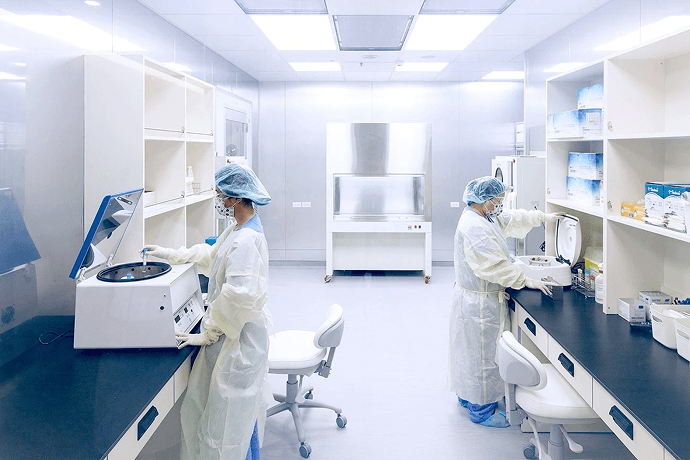
High-Standard Cleanroom

PRP/PRF is prepared in a sterile environment in real time, ensuring the purity, safety, and effectiveness of regenerative components.

05

Precision Diagnostic Equipment

High-resolution imaging–guided treatments reduce errors and pain, enhancing safety and efficiency.

06

Core of Regenerative Medicine

Autologous PRP/PRF therapy activates the body’s repair mechanisms, promoting regeneration, reducing inflammation, and restoring health.

Is PRP (amniotic growth factor) really effective?

It can help with chronic nerve compression and repair, but requires professional evaluation.

Not necessarily; in most cases, conservative or proliferative therapies can be tried first.

My little finger is numb. Is it too late to get it treated?

In most cases, it remains effective, and the earlier the treatment, the better the recovery.

Will cubital tunnel syndrome heal on its own?

Mild cases may be relieved by improving posture and resting, but those with long-term compression usually require medical intervention.

In what situations is a follow-up visit or further examination necessary?

If the pain continues to worsen, becomes significantly unstable, or shows a significant decrease in grip strength, or if there is no improvement after rest and treatment, it is recommended to return for a follow-up visit for further evaluation.

Avoid repeatedly twisting your wrist, keep your wrist in a neutral position when using the mouse, wear a wrist brace when using it heavily, and undergo wrist stability training under professional guidance.

During the acute phase, it is generally recommended to wear the mask for 2–3 weeks to avoid secondary injury. After that, whether to continue wearing it depends on the symptoms and the doctor’s advice. Training is also necessary to truly improve the condition.

How long does it take for a triangular fibrocartilage injury to heal?

Depending on severity:

Mild inflammation: Approximately 2–4 weeks

Moderate tear (conservative + regenerative therapy): Approximately 6–12 weeks

Concurrent degeneration or instability: May require several months to stabilize.
The earlier the treatment, the faster the recovery.

PRP and PRF are prepared from the patient’s own blood and can assist in the repair of ligaments and soft tissues. They are usually injected precisely under ultrasound guidance, have a high safety profile, and are commonly used for moderate to severe injuries.

Does a triangular fibrocartilage injury always require surgery?

Not necessarily. Most patients can start with conservative treatment, rehabilitation, and regenerative therapy. Surgery will only be evaluated if the pain and instability persist and the treatment is ineffective.

Instagram
Scroll to Top