

Strengths

Service Advantages

Comprehensive Integration × Personalized Treatment

Regen Health centers its philosophy on “regenerative medicine,” combining a multidisciplinary integrated team, full-body joint health assessments, a private and comfortable treatment environment, high-standard cleanroom laboratories, and advanced medical equipment to provide safe, precise, and personalized healthcare services. We believe that health is not just about treating disease but about reactivating the body’s self-healing and regenerative capabilities, enabling every patient to regain vitality and confidence.

01

Specialized Integrated Team

Cross-disciplinary physician collaboration allows examinations and treatments to be completed in a single visit, maximizing therapeutic effectiveness.

02

Private & Comfortable Space

Fully appointment-based, one-on-one consultation rooms provide a private, safe, and relaxing medical experience.

03

Full-Body Joint Health Assessment

Simultaneous X-ray and ultrasound examinations provide a comprehensive understanding of joint health and the root causes of pain.

04

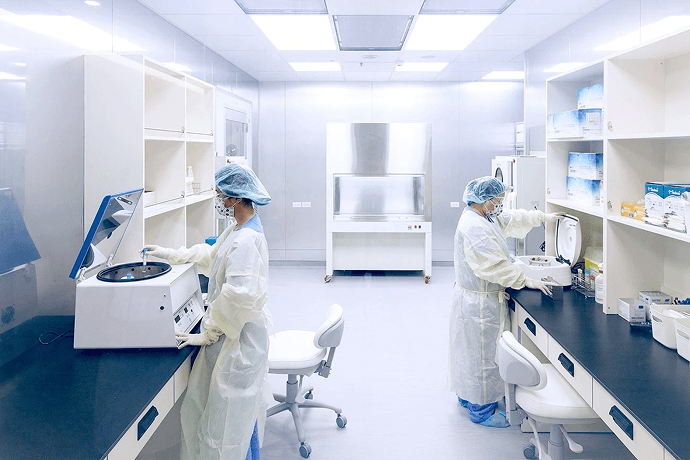
High-Standard Cleanroom

PRP/PRF is prepared in a sterile environment in real time, ensuring the purity, safety, and effectiveness of regenerative components.

05

Precision Diagnostic Equipment

High-resolution imaging–guided treatments reduce errors and pain, enhancing safety and efficiency.

06

Core of Regenerative Medicine

Autologous PRP/PRF therapy activates the body’s repair mechanisms, promoting regeneration, reducing inflammation, and restoring health.

Will steroid injections for treating maternal hand injury damage tendons?

Infrequent injections, appropriate dosages, and injections at the correct location are generally safe and effective.

However, frequent injections in a short period, excessive dosages, or inaccurate injection sites can indeed increase the risk of tendon weakening or rupture. Therefore:

  • Injections must be administered by a qualified physician familiar with anatomy and ultrasound guidance
  • It is not recommended to request continuous injections on your own. You should fully discuss alternative or advanced treatments (such as PRP/PRF) with your physician.

In what situations should you see a doctor as soon as possible if you have “mommy’s thumb”?

Situations where prompt medical attention is recommended include:

Pain lasting more than 2–4 weeks without significant improvement

Frequency such as dropping objects or significant weakness

Nighttime pain affecting sleep

Extreme pain making it impossible to hold a child or do housework. The earlier the treatment, the simpler the procedure and the faster the recovery.

What treatment options are available for mommy’s thumb?

Treatment will be adjusted according to the severity and duration of inflammation, generally stratified as follows:

Conservative treatment: Reduced use, postural adjustments, bracing, and application of heat and ice.

Physical therapy: Deep soft tissue relaxation, stretching and muscle strengthening exercises, ultrasound/electrotherapy, etc.

Medications and injections: Oral anti-inflammatory analgesics, and cautious use of topical steroids when necessary.

Regenerative medicine: Such as PRP/PRF injections, promoting tendon and tendon sheath repair, suitable for chronic or recurrent cases. [Reverse link]

Other adjunctive therapies: Such as SIS super-magnetic energy, a non-invasive method to help relax fascia and promote repair. [Reverse link]

Surgery: In cases of severe stenosis where conservative treatment is ineffective, surgery is performed to release space in the tendon sheath, followed by postoperative rehabilitation.

How can we prevent mommy’s thumb from developing?

The three most important things:

1) Correct posture: Keep your wrists as straight as possible when holding a child or lifting objects.

2) Muscle strength training: Strengthen the muscles around your forearm, wrist, and thumb.

3) Avoid repetitive movements for extended periods: Remember to rest your hands in between movements and avoid continuously performing the same exerting action.

How long does it usually take for a mother’s thumb to heal?

  • Mild: Approximately 2–6 weeks
  • Moderate: Approximately 1–3 months
  • Chronic or severe: May require longer treatment, possibly combined with regenerative therapy or surgery, and rehabilitation.
  • Acute phase: Self-massage is not recommended, as it may worsen the inflammation.
  • After pain relief: Under the guidance of a physical therapist or doctor, perform gentle stretching and relaxation exercises to avoid “massaging to make it more painful.”

Should I apply ice or heat during the acute phase?

  • Acute phase (significant redness, swelling, heat, and pain): Apply ice for approximately 10–15 minutes each time.
  • Chronic phase (ache, tightness, and stiffness): Apply heat to help relax and promote circulation.

Mild cases may be relieved with rest and reduced use, but most will recur.

Simply relying on endurance and applying ointments often leads to chronic inflammation; it is recommended to seek medical evaluation and treatment as soon as possible.

Key daily prevention measures include:

Maintaining a “neutral” wrist position, avoiding excessive flexion or extension.

Performing regular wrist and forearm stretching exercises.

Controlling weight and blood sugar levels to reduce the risk of tissue swelling.

Women (especially those going through menopause or pregnancy); those who use computer mice or type for extended periods; those whose jobs frequently involve the use of vibrating tools (such as technicians or massage therapists); individuals with diabetes, hypothyroidism, or rheumatoid arthritis; obese individuals, the elderly, or those who lack physical activity.

Instagram
Scroll to Top