

Strengths

Service Advantages

Comprehensive Integration × Personalized Treatment

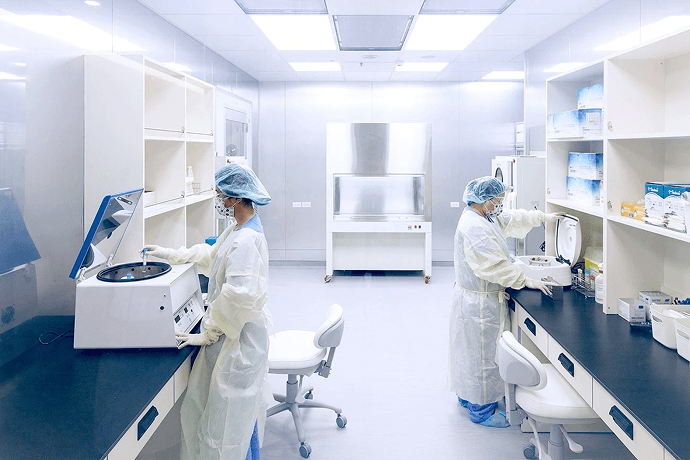
Regen Health centers its philosophy on “regenerative medicine,” combining a multidisciplinary integrated team, full-body joint health assessments, a private and comfortable treatment environment, high-standard cleanroom laboratories, and advanced medical equipment to provide safe, precise, and personalized healthcare services. We believe that health is not just about treating disease but about reactivating the body’s self-healing and regenerative capabilities, enabling every patient to regain vitality and confidence.

01

Specialized Integrated Team

Cross-disciplinary physician collaboration allows examinations and treatments to be completed in a single visit, maximizing therapeutic effectiveness.

02

Private & Comfortable Space

Fully appointment-based, one-on-one consultation rooms provide a private, safe, and relaxing medical experience.

03

Full-Body Joint Health Assessment

Simultaneous X-ray and ultrasound examinations provide a comprehensive understanding of joint health and the root causes of pain.

04

High-Standard Cleanroom

PRP/PRF is prepared in a sterile environment in real time, ensuring the purity, safety, and effectiveness of regenerative components.

05

Precision Diagnostic Equipment

High-resolution imaging–guided treatments reduce errors and pain, enhancing safety and efficiency.

06

Core of Regenerative Medicine

Autologous PRP/PRF therapy activates the body’s repair mechanisms, promoting regeneration, reducing inflammation, and restoring health.

Clinical evidence has shown that PRP/PRF can improve tendon structure and accelerate repair.

Not recommended. It may cause tendon fragility and degeneration, and repeated injections are usually not recommended.

How long does it take for tennis elbow to heal?

Recovery time varies from approximately 6 to 12 weeks depending on the severity. The earlier the acute intervention, the faster the recovery.

A thorough evaluation by a professional physician is recommended before any injection. The following groups are not advised to undergo this procedure:

🚫 BMI greater than 35 (gastric bypass or gastric reduction surgery should be considered)

🚫 Pregnant or breastfeeding women

🚫 Patients with neuromuscular diseases (such as myasthenia gravis, muscular atrophy)

🚫 Individuals allergic to botulinum toxin

🚫 Individuals who have undergone gastric surgery (such as gastric reduction or bypass)

🚫 Individuals with severe gastroesophageal reflux or gastric ulcers

Gastric botox is a highly safe treatment, and common minor reactions are usually temporary:

  • Stomach discomfort/bloating/nausea: Approximately 1% of patients experience transient discomfort, which usually subsides within 2–3 days.
  • Decreased appetite: One of the therapeutic effects, which may be noticeable initially.
  • Fatigue or weakness: A small number of people may experience temporary fatigue during the adaptation period.
  • Constipation or slowed bowel movements: Drinking more water and increasing fiber intake can help.
  • Mild soreness or bruising at the injection site: Generally subsides on its own within a few days.

Almost no recovery period! The treatment uses a minimally invasive technique involving endoscopic injection, requiring no surgery, sutures, or hospitalization. You can return home the same day and go back to work or school the next day.

Three major advantages of gastric botox:

✔ No stomach removal, no alteration to the digestive tract structure

✔ Low risk, fast recovery

✔ Mild pain and side effects, high safety

The effects of the treatment will vary depending on individual circumstances. Most people will notice a significant decrease in appetite and food intake about two weeks after the injection; a smaller number may take about a month to begin experiencing noticeable results.

The effects typically last for about six months. To prolong the weight loss effect, it is recommended to plan the next treatment six months to a year later.

What non-surgical treatments does Jianli Clinic offer?

  • Nerve Block: Relieves Nerve Compression
  • Ultrasound-Guided PRP/PRF Repair Injection: Promotes Tissue Healing
  • SIS Super Magnetic Energy Therapy: Non-invasive Analgesia and Tissue Activation
  • Maintain good sitting and standing posture (avoid prolonged sitting and slouching)
  • Increase core muscle training and strengthen lower back stability
  • Lose weight and control your weight to reduce spinal pressure
  • Use ergonomic chairs and desks
  • Avoid suddenly lifting heavy objects and avoid twisting your waist

If you have a herniated disc, when should you consider seeking medical attention?

  • Back pain persisting for more than two weeks without improvement
  • Significant numbness, tingling, and muscle weakness in the feet
  • Awakening at night due to pain, affecting quality of life
  • Sudden loss of urinary and fecal incontinence (warning sign of cauda equina syndrome)
Instagram
Scroll to Top