

Strengths

Service Advantages

Comprehensive Integration × Personalized Treatment

Regen Health centers its philosophy on “regenerative medicine,” combining a multidisciplinary integrated team, full-body joint health assessments, a private and comfortable treatment environment, high-standard cleanroom laboratories, and advanced medical equipment to provide safe, precise, and personalized healthcare services. We believe that health is not just about treating disease but about reactivating the body’s self-healing and regenerative capabilities, enabling every patient to regain vitality and confidence.

01

Specialized Integrated Team

Cross-disciplinary physician collaboration allows examinations and treatments to be completed in a single visit, maximizing therapeutic effectiveness.

02

Private & Comfortable Space

Fully appointment-based, one-on-one consultation rooms provide a private, safe, and relaxing medical experience.

03

Full-Body Joint Health Assessment

Simultaneous X-ray and ultrasound examinations provide a comprehensive understanding of joint health and the root causes of pain.

04

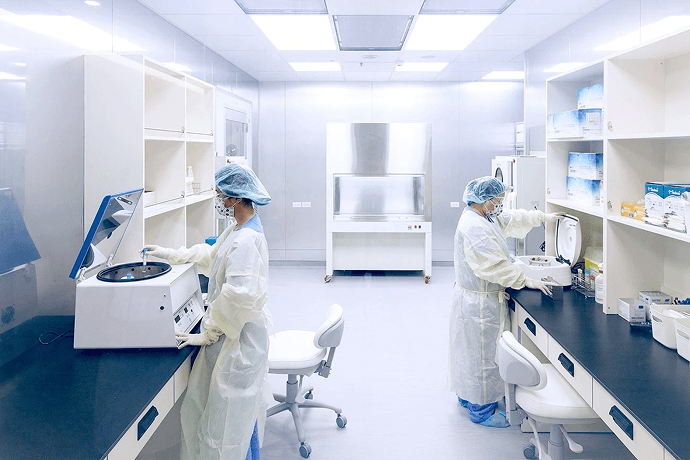
High-Standard Cleanroom

PRP/PRF is prepared in a sterile environment in real time, ensuring the purity, safety, and effectiveness of regenerative components.

05

Precision Diagnostic Equipment

High-resolution imaging–guided treatments reduce errors and pain, enhancing safety and efficiency.

06

Core of Regenerative Medicine

Autologous PRP/PRF therapy activates the body’s repair mechanisms, promoting regeneration, reducing inflammation, and restoring health.

How long should the pain last before you need to see a doctor?

If the pain persists for more than 2 weeks despite adequate rest and self-care, or if it has affected daily life and athletic performance, you should seek medical evaluation as soon as possible to prevent it from developing into a difficult-to-treat chronic condition.

What is HILT (High-Intensity Laser Treatment)? Will it hurt?

High-energy laser therapy (HILT) is a non-invasive physical therapy that uses high-powered laser energy to penetrate deep into tendons, ligaments, and surrounding tissues to reduce inflammation and pain, promote blood circulation, relax tension, and accelerate repair. It is commonly used for jumper’s knee, frozen shoulder, lower back pain, and osteoarthritis.

Will it hurt? Most people feel warmth and comfort; it usually doesn’t hurt.

Do you need injections to treat jumper’s knee?

Mild symptoms can be improved through physical therapy. However, if it has progressed to a chronic condition or there is a tendon tear, PRP/PRF proliferative therapy is recommended, as it directly provides the building blocks for repair and will have a more significant effect.

Does the patellar band (compression band) really work?

It has a supportive effect. Patellar straps can change the point of muscle force application, distribute the force on the patellar tendon, and reduce pain during exercise.

Is it better to use an ice pack or a hot compress?

Apply ice after exercise or during the “acute phase” when pain is severe; for routine maintenance or the “recovery phase” when pain is chronic, apply heat to promote circulation.

Why do I start to feel pain again after resting for a long time and then exercising?

Simply resting can only relieve inflammation; it cannot repair the degenerated tendon structure. If muscle imbalances or incorrect movements are not corrected, relapse is very likely after resuming exercise.

Can I still play ball or run if I have jumper’s knee?

It is recommended to suspend high-impact exercise during the acute pain phase. After entering the recovery phase, under the guidance of a doctor or therapist, a “gradual” return to exercise can be adopted by wearing protective gear and adjusting the intensity.

Is pain in the front of the knee a sign of jumper’s knee?

Not necessarily, but if the pain is concentrated “directly below the patella” and worsens when jumping, squatting, or going up and down stairs, the chance of jumper’s knee is high. It is recommended to have a doctor make an accurate diagnosis through ultrasound.

It is recommended to gradually resume normal activities and basic movements for at least two weeks after achieving “complete pain relief.” Initially, significantly reduce your running volume (e.g., start from 50% of your original volume) and gradually increase it in 10% increments. If you experience pain again during exercise, stop immediately and reassess.

How can we prevent recurrence in normal circumstances?

Remember the principle of “balance between tension and relaxation”:

Relaxation: Use a running roller to massage the outer thighs and buttocks.

Strength: Train the gluteus medius (e.g., clamshell exercises).

Equipment: Wear well-supported running shoes and avoid prolonged running on inclines or uneven surfaces.

Instagram
Scroll to Top