

Strengths
Service Advantages
Comprehensive Integration × Personalized Treatment
Regen Health centers its philosophy on “regenerative medicine,” combining a multidisciplinary integrated team, full-body joint health assessments, a private and comfortable treatment environment, high-standard cleanroom laboratories, and advanced medical equipment to provide safe, precise, and personalized healthcare services. We believe that health is not just about treating disease but about reactivating the body’s self-healing and regenerative capabilities, enabling every patient to regain vitality and confidence.
Specialized Integrated Team
Cross-disciplinary physician collaboration allows examinations and treatments to be completed in a single visit, maximizing therapeutic effectiveness.
Private & Comfortable Space
Fully appointment-based, one-on-one consultation rooms provide a private, safe, and relaxing medical experience.
Full-Body Joint Health Assessment
Simultaneous X-ray and ultrasound examinations provide a comprehensive understanding of joint health and the root causes of pain.

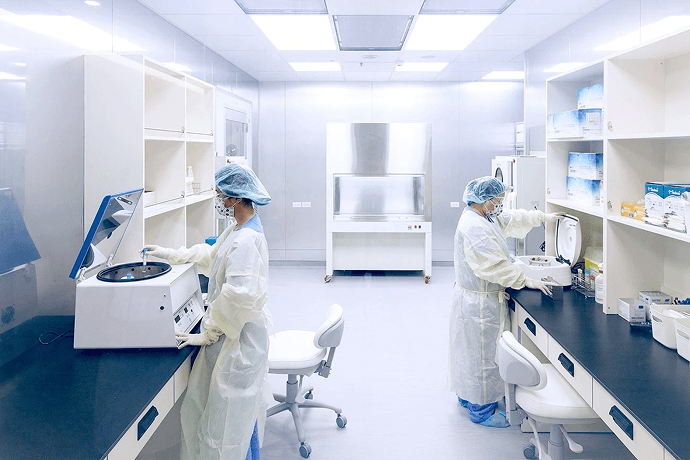
High-Standard Cleanroom
PRP/PRF is prepared in a sterile environment in real time, ensuring the purity, safety, and effectiveness of regenerative components.

Precision Diagnostic Equipment
High-resolution imaging–guided treatments reduce errors and pain, enhancing safety and efficiency.

Core of Regenerative Medicine
Autologous PRP/PRF therapy activates the body’s repair mechanisms, promoting regeneration, reducing inflammation, and restoring health.
Does health insurance cover this? Approximately how much would it cost?
Currently, health insurance does not cover this cost. A single session costs approximately NT$4,000 to NT$6,000. It is recommended to consult the clinic for special offers on a complete 35-session treatment program.
How often should a colonoscopy be performed?
It is generally recommended that people over 45 years of age undergo this procedure every 2-3 years. However, if there is a family history of cancer or adenomatous polyps have been found, the frequency should be reduced to once a year or as advised by a physician.
What dietary precautions should be taken after polyp removal?
Abdominal bloating is normal within a few hours after the examination. Avoid spicy foods and heavy lifting for several days after the procedure. If polyps have been removed, follow your doctor’s instructions for a soft diet (such as porridge or white toast) for 3-5 days.
Can I drive or go to work immediately after the check-up?
If a painless (sedation) examination is performed, there will be temporary drug residue after the procedure. **Absolutely do not drive, ride a bicycle, or engage in high-risk procedures.** It is recommended that you be accompanied home by a family member or friend and rest until the following day.
Do you have to finish drinking the entire laxative?
Yes. The degree of bowel preparation directly affects the accuracy of the examination. If feces remain in the intestines, it may obscure small lesions (such as flat polyps), or even force the examination to be interrupted or rescheduled.
Will I feel anything after polyp removal?
No. There are no pain receptors inside the intestinal mucosa, so the patient will not feel any pain during the polyp removal process.
Can gastroscopy and colonoscopy be performed simultaneously?
Yes, it’s possible. Performing it simultaneously not only saves on the number of bowel cleanses and anesthesia sessions, but also provides a comprehensive assessment of the digestive health from the esophagus and stomach to the large intestine. It is especially recommended for people with anemia or weight loss issues.
Is a gastroscopy or colonoscopy painful?
Our hospital offers “painless and sedative colonoscopy and gastroscopy,” where anesthesiologists administer sedation medication, resulting in virtually no pain or memory of the procedure. Even if you choose not to have anesthesia, Dr. Lin Feng-nian’s precise and gentle technique significantly reduces the discomfort associated with traditional examinations.
Why is a colonoscopy and gastroscopy necessary? Can’t a blood test be used instead?
Blood tests or fecal occult blood tests should only be used as a reference. Gastroscopy and colonoscopy are currently the only tools with both diagnostic and therapeutic functions. They can directly detect and immediately remove tiny polyps, a physical preventative measure that blood tests or CT scans cannot provide.
If you have type 2 diabetes, want to avoid injections, and need to control your weight, Resveratrol offers a convenient oral option with dual benefits for blood sugar control and weight loss. It is recommended to consult a professional physician for a personalized assessment to ensure safer and more effective treatment.
**Important Reminder:** GLP-1 inhibitors are prescription medications. Do not purchase or change the dosage on your own. If you have any questions, consult your doctor or pharmacist to ensure safe medication use.
